

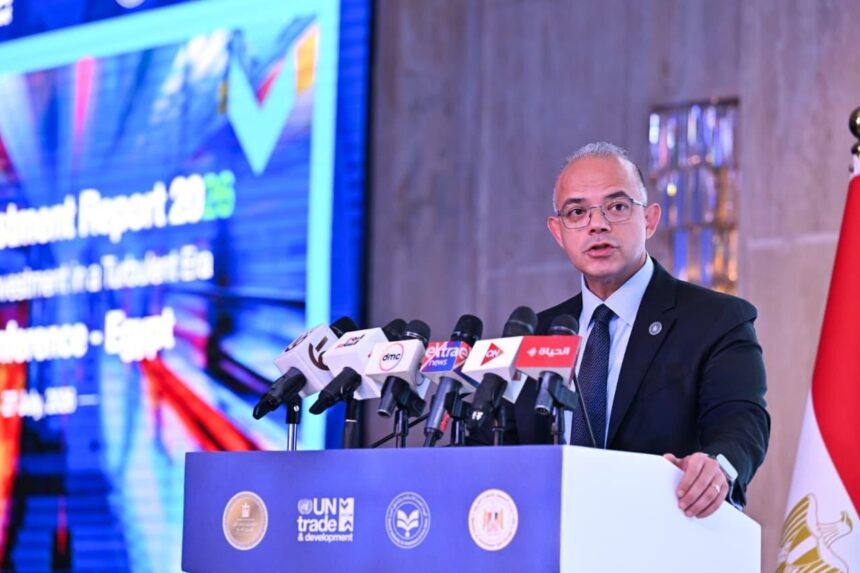
Egypt attracted $15.5bn in foreign direct investment (FDI) during 2025, ranking first in Africa and second in the Arab world, as the government finalises a national strategy targeting 12 priority economic sectors, Minister of Investment and Foreign Trade Mohamed Farid announced on Monday.
Speaking at the Cairo launch of the United Nations Conference on Trade and Development (UNCTAD) World Investment Report 2026, Farid stated that the forthcoming FDI strategy focuses on eight sectors with high readiness to quickly attract investments, alongside four sectors requiring further regulatory and legislative reforms to enhance their competitiveness.
The event, held in cooperation with the Egyptian government, was attended by Minister of Foreign Affairs, Emigration and Egyptian Expatriates Badr Abdelatty, alongside various ministers, senior officials, business community representatives, and delegates from international financial institutions and regional organisations.
Domestic Reforms and Digital Platforms
To further streamline business operations, Farid revealed the ministry is preparing to announce a new package of decisions and procedures in the coming weeks to facilitate capital increases and corporate mergers and acquisitions via an integrated digital system, aiming to reduce processing times and improve service quality.
Additionally, the government is advancing the cabinet-approved “Economic Entities Platform.” The project unifies company establishment procedures and license extraction through a single digital window, currently covering 468 economic activities with room for future expansion. Farid noted the platform relies on developing digital infrastructure and linking government databases to reduce procedural burdens on investors.
Farid affirmed the state’s continued implementation of structural and institutional reforms to build a more competitive and transparent investment environment, enhance private sector partnerships, and attract productive, sustainable investments that support economic growth and job creation.
Foreign Minister Badr Abdelatty reviewed Egypt’s steps to build economic resilience, citing the ongoing economic reform programme, improved macroeconomic indicators, and the empowerment of the private sector as the primary engine for growth.
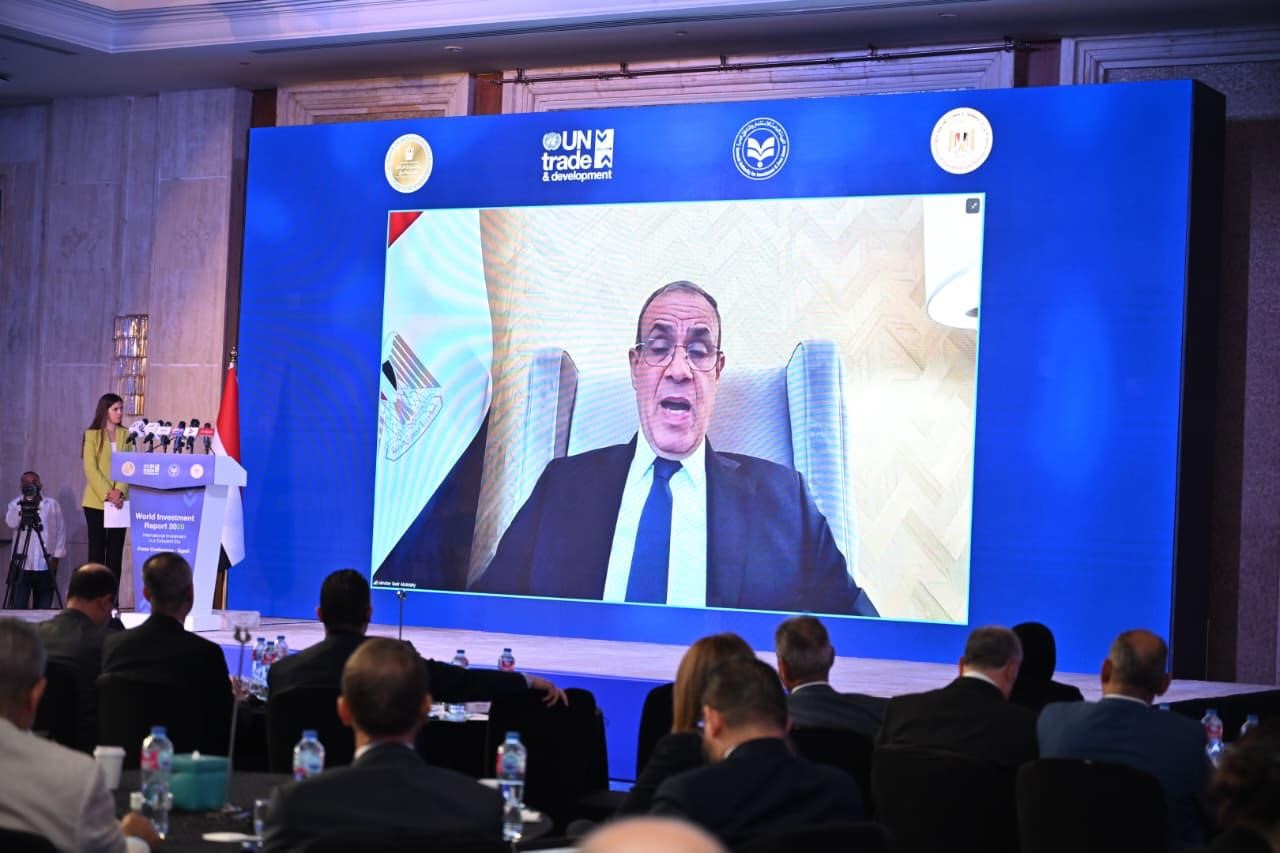
He pointed to the launch of the State Ownership Policy Document, a cap on government investments to make room for private enterprise, and the provision of tax and customs incentives in priority sectors, including renewable energy, automotive, pharmaceuticals, logistics, and information technology, particularly artificial intelligence applications.
Abdelatty stated that the 2026 report reflects the positive results of these reforms, with Egypt retaining its position as the top African destination for FDI for the second consecutive year. He added that this solidifies Egypt’s position as a main destination for major investment projects on the continent, reflecting investor confidence.
Global Investment Trends and UNCTAD Data
Reviewing the UNCTAD report, Farid noted it reflects deep shifts in the global economy amid geopolitical tensions and trade policy uncertainty. He highlighted a noticeable decline in investments linked to value-added chains and industrial activities, urging a study of geopolitical impacts on global corporate expansion. The minister noted the report also showed an expansion in global reforms to improve investment environments, such as simplifying company establishment and increasing transparency and disclosure.
Pedro Manuel, Acting Secretary-General of UNCTAD, presented the report’s global findings, noting a rapid shift in the FDI map driven by technological developments and changing corporate and national priorities.
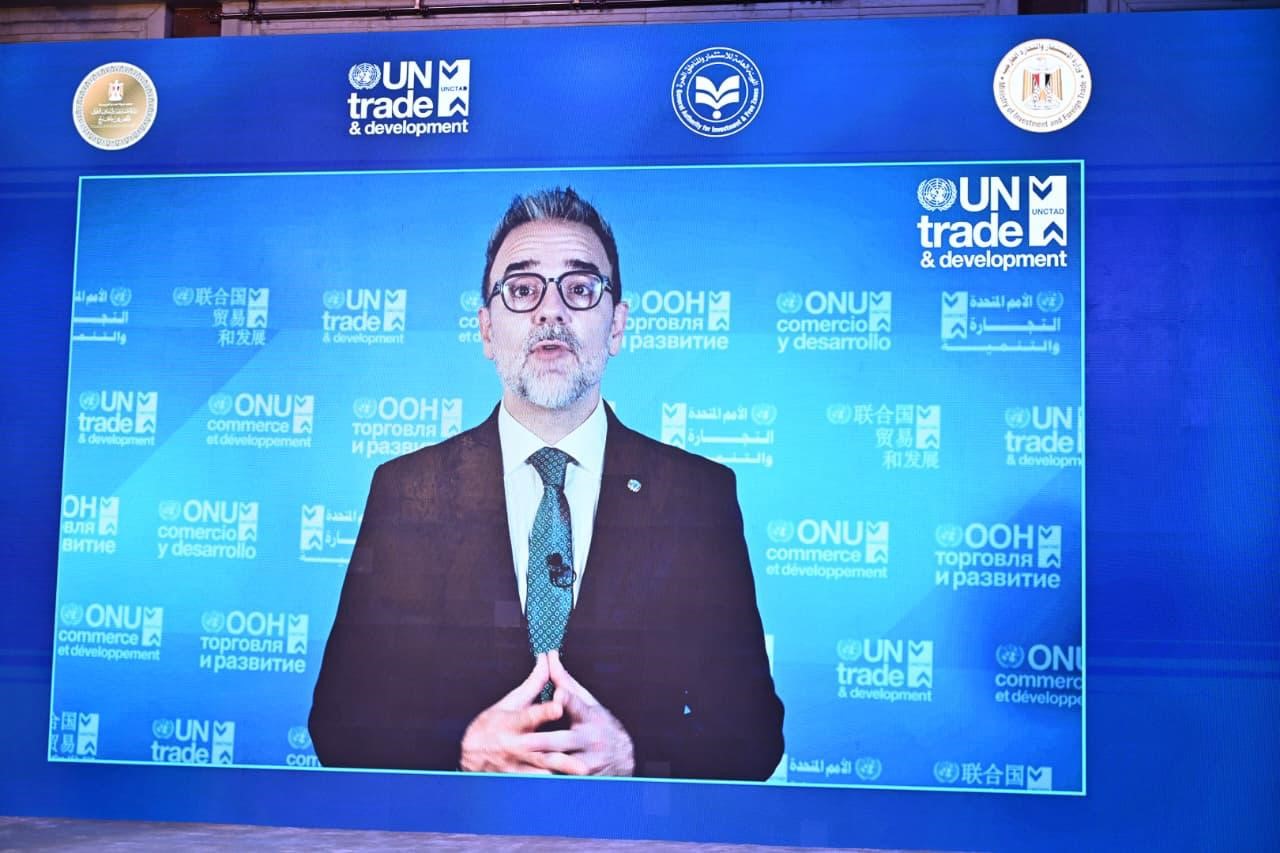
According to Manuel, global FDI flows grew by 6% in 2025 to approximately $1.6tn. However, real growth was only about 4% when excluding financial operations linked to European cross-border financial centres.
The report outlined a stark disparity in regional FDI distribution:
- Advanced economies:Recorded 11% growth, reaching $723bn.
- Developing economies:Grew by just 2%, reaching $901bn.
- Developing Asia:Remained the largest destination at $644bn.
- South Asia:Achieved a significant 44% growth rate.
- Latin America and the Caribbean:Saw a 14% rise to $190bn.
- Africa:Received approximately $70bn.
Farid noted that Africa did not sufficiently benefit from global investment growth. Furthermore, the lowest-income countries saw a 2% decline in FDI, prompting Farid to stress the importance of developing innovative mechanisms to convert debt burdens into productive investments that support sustainable development.
Manuel highlighted that global investments are increasingly concentrated in strategic sectors—semiconductors, AI, clean energy, and critical minerals—which now account for about half of new projects worldwide. Investment values in these sectors have risen more than fivefold since 2020 to reach $580bn. Manuel noted that AI infrastructure and data centres are the main drivers of this boom, overtaking many traditional productive sectors.
Global supply chain shifts offer developing economies opportunities to become alternative manufacturing hubs, critical mineral processing platforms, and gateways to regional markets, Manuel added, provided they develop infrastructure and human skills while enhancing international cooperation.
Navigating Global Challenges
Abdelatty praised UNCTAD’s role as a principal international reference and outlined the economic challenges stemming from successive global crises, supply chain disruptions, and a widening developmental and digital gap between advanced and developing nations, all of which have increased uncertainty governing investment decisions.
He stressed that confronting these challenges requires international cooperation, multilateral work, flexible economic policies, and reforming the international economic and financial architecture to help developing nations access finance, technology, and investments to achieve sustainable development goals.
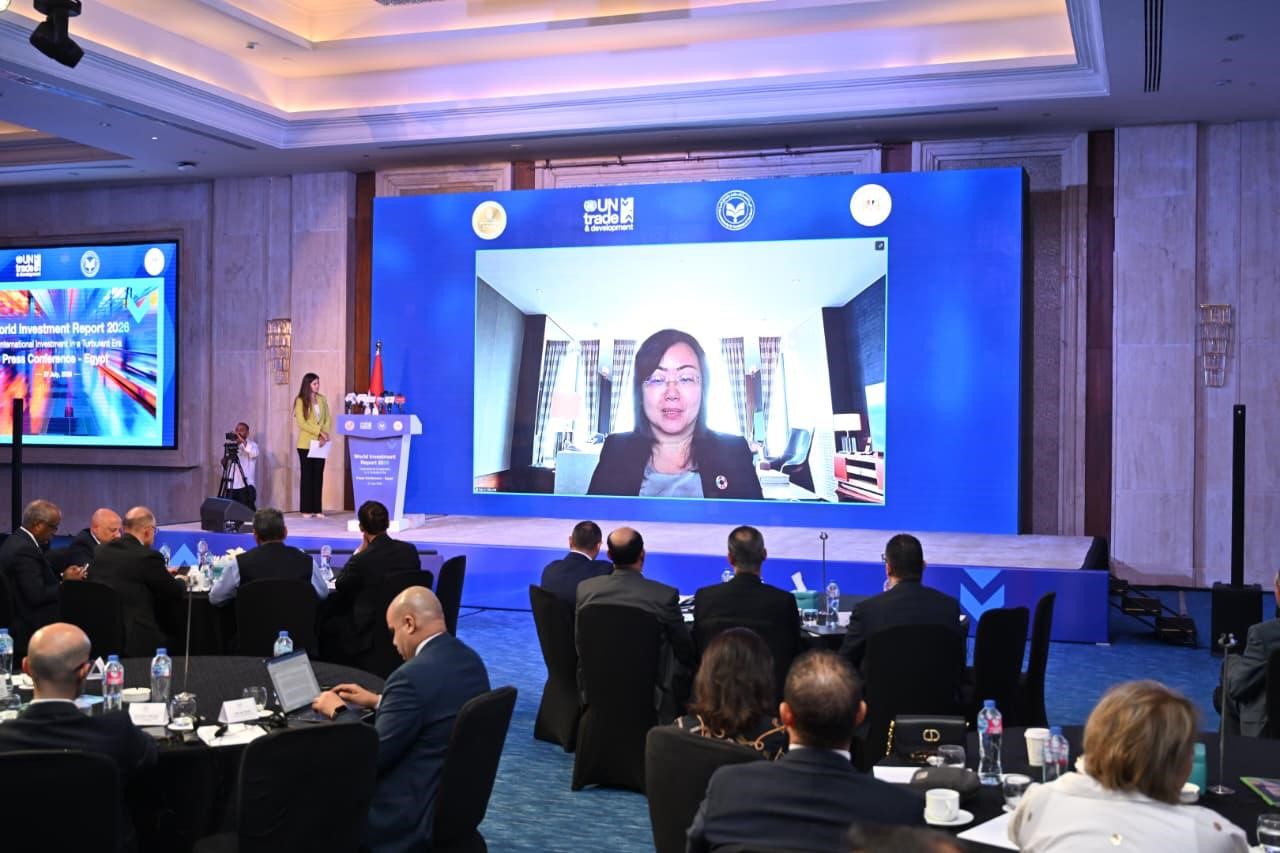
Nan Li Collins, Director of the Investment and Enterprise Division at UNCTAD, noted that while global FDI flows remain relatively weak, the landscape has become more strategic, selective, and focused than ever before.
She stressed that investment discussions now prioritise building real productive assets, enhancing local corporate capacities, creating value-added jobs, transferring technology, and linking national economies to regional and global value chains rather than just focusing on flow volumes.
Collins stated that Africa continues to attract international investor interest, evidenced by a rising number of announced new projects reflecting growing confidence. She concluded by praising the Egyptian government for hosting the launch event and commending Egypt’s pivotal role in the African investment landscape.


