For more than four decades, Dr. Atef Abdel Latif has built a distinctive career at the intersection of tourism, media, the arts, and film production. Throughout this remarkable journey, he has remained convinced that these fields should not be viewed as separate or competing spheres, but rather as interconnected forces capable of working together to serve Egypt and project its rich civilization and tourism identity to the world.
- What about domestic tourism? Are we making full use of its potential?
- You have consistently emphasised the powerful connection between cinema and tourism. How can this vision be turned into reality?
- Do you believe Egyptian cinema can help transform the perception of Egypt and the Arab world?
- What about social media and tourism content creation? Has social media become more influential than traditional media?
- What are the most significant obstacles facing filmmakers and content creators when shooting in public and tourism locations?
- Could Egypt become a regional hub for film production and international filming?
- You also have a media background through your programme “Mosafiroon.” What did you hope to offer through the programme?
- You have travelled extensively and published the book “My Travels Around the World.” How has travel shaped you as a person?
- What does Saint Catherine mean to you, particularly since you explored it in your book “Here Is Saint Catherine”?
- How do you see the relationship between tourism development and environmental preservation?
- What is the broader message you would like to convey about Egypt’s tourism future?
His professional journey began in the tourism sector, where years of interaction with travellers from across the globe opened his eyes to the extraordinary wealth of destinations and experiences Egypt has to offer. He soon recognised that the camera and the creative arts could become among the most powerful instruments for promoting Egypt as a global tourism destination.
That realisation eventually took him beyond conventional tourism into content creation, media, artistic performance, and film production, shaping a distinctive philosophy built around the powerful synergy between tourism, cinema, and media.
Across decades of travel, tourism investment, media work, artistic endeavours, and production, Abdel Latif has never regarded these disciplines as isolated career paths. Instead, he has approached them as components of a single, integrated ecosystem capable of generating genuine soft power for Egypt and presenting its authentic image to audiences around the world.
In this exclusive interview, Abdel Latif reflects on his remarkable journey, his vision for the future of Egyptian tourism, the transformative power of cinema as a tourism-promotion tool, his experience in media, his books and travels around the world, and his vision for positioning Egypt as a premier destination for international film production. He also discusses the role of the private sector, social media, environmental sustainability, and the need for a more strategic relationship between tourism and the creative industries.
From tourism to media, the arts, and film production, how did this remarkable journey of more than 40 years begin?
I began my career in the tourism sector, and it was precisely my work in tourism that opened the door to cinema, the arts, and media.
Over the years, through constant interaction with tourists from different countries and cultures, I came to appreciate the extraordinary depth and diversity of Egypt’s tourism assets—resources that, in many respects, are unparalleled anywhere in the world.
We have Saint Catherine, Hurghada, Dahab, Marsa Alam, the Nile, Historic Cairo, Al-Muizz Street, Al-Hussein, Luxor, Aswan, and countless other destinations that could serve not merely as backdrops, but as protagonists in their own right for outstanding cinematic and artistic productions.
At the same time, however, I noticed that the image of Egypt reaching international audiences through certain films and television dramas was often confined to narrow alleyways, social problems, and difficult realities. Yet there is another Egypt—an Egypt of breathtaking landscapes, ancient civilisation, cultural richness, and extraordinary human warmth—that deserves to be seen by the world.
That led me to a very simple question: Why not use the camera as a powerful instrument for promoting Egyptian tourism?
From that point forward, the arts became, for me, a gateway to tourism promotion. I came to believe that every compelling artistic production can serve as an ambassador for Egypt, and that a single beautifully captured scene in one of our tourism destinations can inspire millions of viewers to dream about visiting that place themselves.
From the very beginning, did you envision tourism, the arts, and media as parts of one integrated system?
Absolutely. I have always believed that different disciplines can—and should—complement one another.
Tourism needs media. Media needs compelling content. The arts have the power to create that content, while production transforms ideas and visions into tangible works capable of reaching vast audiences.
That is why I have never viewed tourism, the arts, and media as separate sectors. From the outset, I saw them as interconnected links within a larger ecosystem whose ultimate purpose is to serve Egypt and reveal its true potential to the world.
Egypt possesses an extraordinary reservoir of soft power. The real challenge is not whether we have it, but whether we know how to harness it effectively and present it in a contemporary language that resonates with the world we live in today.
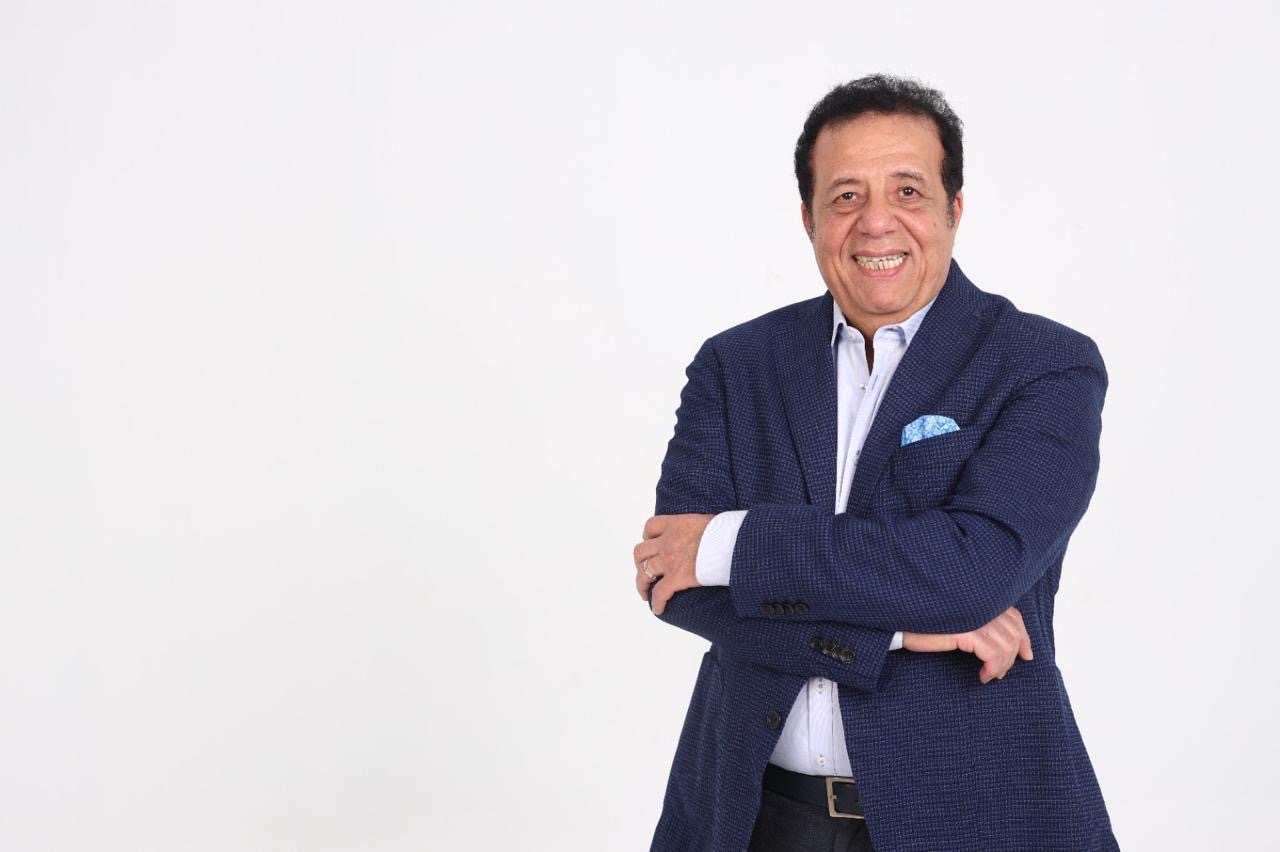
As chairperson of Mosafiroon Association for Tourism and Arts, vice chairperson of the Marsa Alam Investors Association, a member of the South Sinai Investors Association, and founder of Queen Hotels Group, how do you envision the future of Egyptian tourism?
I am deeply optimistic about the future of Egyptian tourism, particularly in light of the significant efforts being undertaken by the state to strengthen infrastructure, maintain security and stability, and develop tourism destinations throughout the country.
I believe that the goal of welcoming 30 million tourists by 2028 is ambitious, but achievable. Reaching it, however, will require a coordinated strategy built around several interconnected priorities.
At the forefront is the continued expansion and modernisation of our airports and air transportation network. I believe Cairo International Airport has the potential to become a major strategic hub connecting four continents if its capabilities are fully leveraged.
At the same time, we must diversify Egypt’s tourism offerings rather than continue relying primarily on traditional tourism patterns.
Egypt has enormous potential in conference and business tourism, wellness and meditation tourism, shopping, culinary tourism, sports tourism, cultural tourism, religious tourism, and spiritual tourism.
Conference tourism alone represents a significant segment of global travel, and destinations such as Sharm El-Sheikh and Marsa Alam possess exceptional capabilities for hosting major international conferences and events.
We must also become far more sophisticated and strategic in the way we market Egypt through international tourism fairs, trade shows, and global tourism markets.
Competition has become fierce. It is no longer enough simply to possess extraordinary attractions. You must know how to tell the world your story and present those attractions in a compelling way.
What role can the private sector play in helping the state achieve its tourism targets?
The private sector is an indispensable partner in the tourism industry. There is simply no realistic path towards achieving our national tourism targets without genuine and sustained cooperation between the government and private investors.
Investors do not need incentives and facilities alone. They need a clear long-term vision, regulatory stability, streamlined procedures, and decisive and efficient decision-making.
At the same time, the private sector must understand that its responsibility extends well beyond constructing a hotel or operating a tourism facility.
Its role includes continuously developing the tourism product, promoting the destination, contributing to environmental preservation, and creating a comprehensive and memorable visitor experience.
We want tourists to feel, from the moment they arrive in Egypt until the moment they depart, that they have experienced something truly complete and meaningful—not simply stayed at a hotel.
Do you believe Arab tourism can become one of the major drivers of growth in tourist arrivals to Egypt?
Of course, the Arab tourist represents an extremely important market for Egypt.
We have many natural advantages that make Egypt an obvious destination for Arab travellers, beginning with our shared language, cultural traditions, social values, and historical ties, and extending to the extraordinary diversity of Egypt’s tourism offerings.
However, we must develop products specifically tailored to the needs and expectations of Arab travellers—whether in family tourism, shopping, entertainment, medical tourism, or cultural experiences.
We must also stop treating the Arab market as a single homogeneous market. Each market deserves to be understood on its own terms.
The preferences and expectations of a Saudi traveller, for example, are not necessarily identical to those of a traveller from another Gulf or Arab country.
Successful tourism marketing cannot rely on a single message directed at everyone. It must begin with understanding each market and delivering the product that genuinely speaks to it.
What about domestic tourism? Are we making full use of its potential?
Domestic tourism deserves far greater attention.
Egypt is not merely a destination for international travellers. In many cases, Egyptians themselves are not fully aware of the extraordinary treasures their own country has to offer.
There are destinations that attract international tourists who sometimes recognise their value more readily than Egyptians do.
We therefore need to make a greater effort to introduce Egyptians to their own country by creating accessible tourism programmes for families, young people, and students, and by making visits to archaeological and natural sites an integral part of our broader cultural awareness.
Domestic tourism is not simply an economic activity. It is also a powerful means of strengthening a sense of belonging and allowing people to discover the history, geography, culture, and extraordinary diversity of their homeland.
You have consistently emphasised the powerful connection between cinema and tourism. How can this vision be turned into reality?
I consider cinema Egypt’s passport to the world—a passport that allows us to showcase the beauty of our country through powerful stories and unforgettable images.
Every film, television series, or artistic production shot in Egypt has the potential to become free tourism promotion, provided that locations are carefully selected and presented in a compelling manner.
Several countries have successfully harnessed the power of film and television to promote tourism, including Turkey, Lebanon, and India. In many cases, locations featured in successful productions have subsequently become tourist attractions in their own right.
That is why I hope filmmakers and television producers will move beyond the traditional reliance on apartments, houses, and studio sets and take their cameras into our streets, across our beaches, into our archaeological sites, deserts, mountains, and tourism destinations.
Egypt has locations capable of serving as the setting for entire films without the need for enormous artificial sets. At the same time, filming in these authentic locations allows us to present the world with a genuine, vibrant, and beautiful image of Egypt.
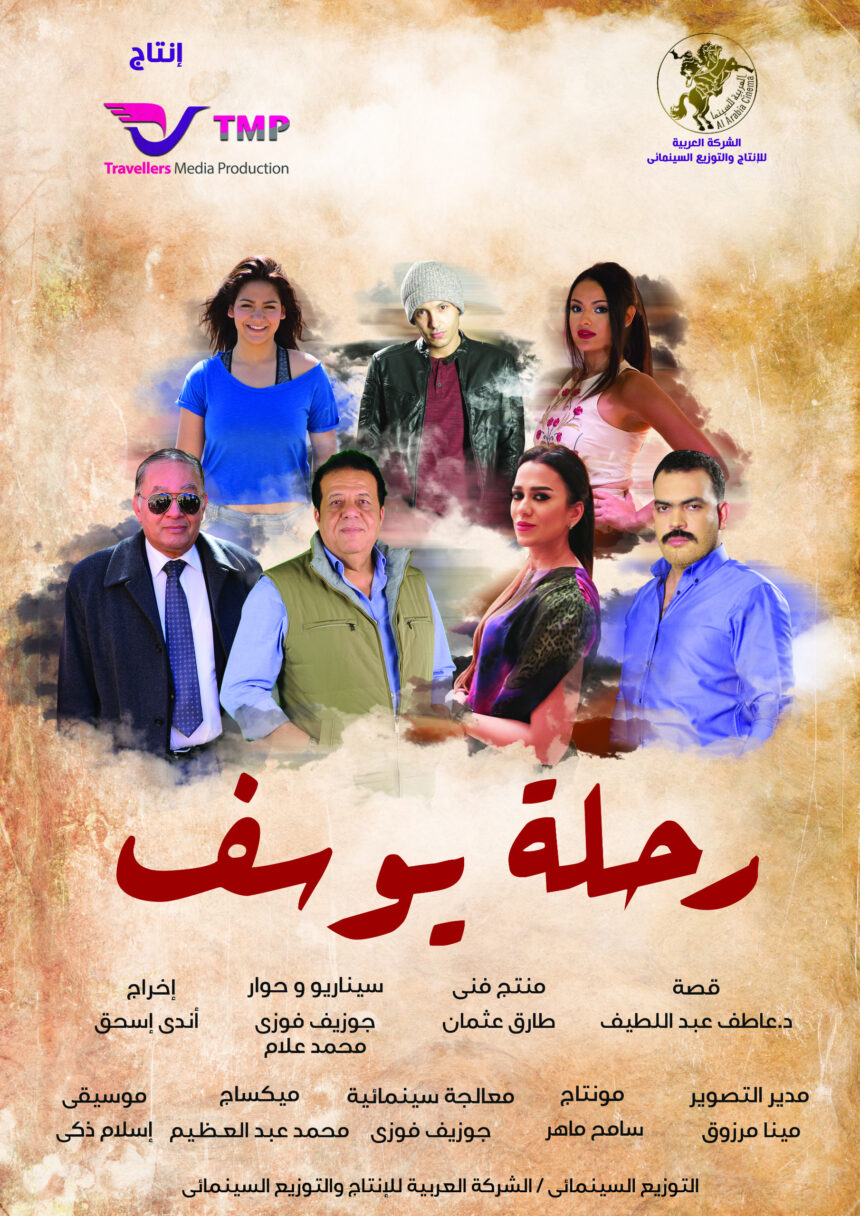
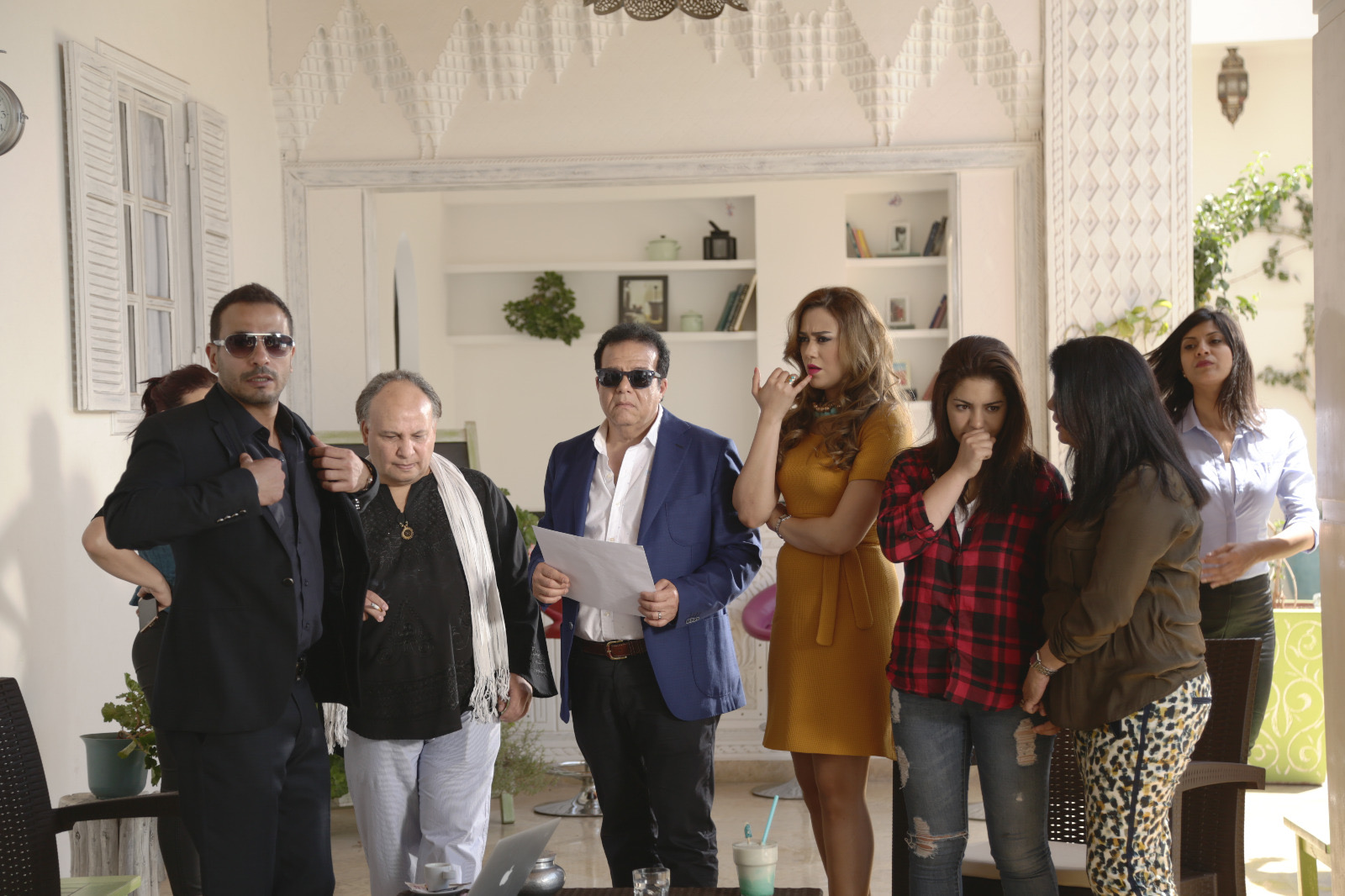
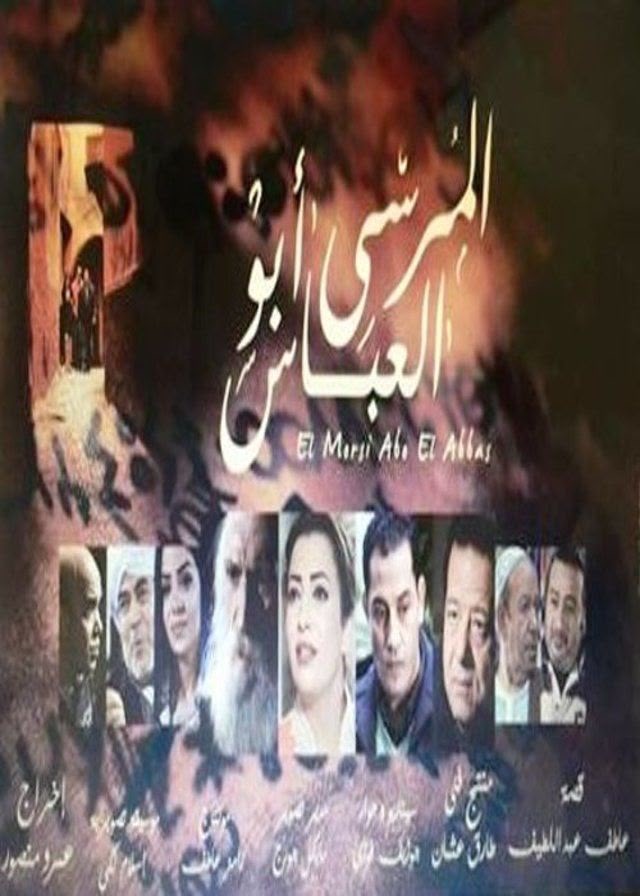
I personally participated in the production and acting of several cinematic works, including “Sea of Diamonds,” “Al-Marsa Abu Al-Abbas,” and “Youssef’s Journey.” Some of the productions in which I participated received awards at film festivals.
For me, these experiences reaffirmed a fundamental belief: cinema has the power to carry a message that transcends entertainment.
Do you believe Egyptian cinema can help transform the perception of Egypt and the Arab world?
Absolutely. I believe this is one of the most important roles cinema can and should play.
Today, a country’s image and international perception have become integral components of its soft power. When audiences see a beautiful country, a welcoming people, and a civilisation stretching back thousands of years, that image can create curiosity, an emotional connection, and ultimately a desire to visit.
That is why I do not view cinema merely as an artistic industry. I see it simultaneously as an economic, tourism, cultural, and civilisational industry.
Egypt does not need to manufacture a new identity or invent a different image for itself.
We simply need to show the world the authentic Egypt that already exists.
What about social media and tourism content creation? Has social media become more influential than traditional media?
Social media has become an essential component of the tourism decision-making process worldwide.
Today, a traveller does not necessarily need to see a traditional television advertisement before deciding where to go.
They might come across a short video showcasing a breathtaking destination, watch another traveller sharing an authentic experience, or encounter a powerful photograph—and suddenly begin searching for that destination and considering a trip.
That is why we must move beyond the traditional concept of tourism advertising and embrace the continuous creation of compelling tourism content.
Egypt has an extraordinary advantage in this area because our visual storytelling possibilities are virtually limitless: ancient monuments, beaches, deserts, the Nile, cuisine, traditional crafts, music, the arts, festivals, and, above all, the Egyptian people themselves.
Our task is to tell Egypt’s story in a contemporary and engaging way and to speak to younger generations in the digital language they understand and use every day.
You ran for election to the Chamber of Cinema Industry. What did you hope to accomplish?
My fundamental objective was to establish genuine and meaningful integration between the film industry and the tourism sector.
I believe this relationship has the potential to make a substantial contribution to the national economy.
My ambition is for Egypt to become one of the world’s leading open-air filming destinations, where films and television productions shot across the country also serve as powerful vehicles for introducing audiences to our diverse tourism destinations.
I want filming locations to become an integral component of our national tourism-promotion strategy.
I also believe we must work to remove unnecessary obstacles facing producers and filmmakers. The benefit to the state should not be measured solely by the revenue generated through filming permits. We must also consider the enormous promotional value that a successful production can generate for Egypt.
What are the most significant obstacles facing filmmakers and content creators when shooting in public and tourism locations?
In my view, high fees and complicated procedures associated with filming permits in certain locations represent significant challenges, particularly for productions operating with limited budgets.
I believe the true benefit to the state should not be measured exclusively by the amount collected for a filming permit. We must also consider the marketing and promotional value that the resulting production can create for Egypt.
For this reason, I propose establishing a comprehensive national map of filming locations throughout Egypt, developed in cooperation between the Chamber of Cinema Industry and the relevant tourism authorities.
This map would identify available locations, describe their characteristics, outline the required procedures, clarify available facilities, and identify potential incentives and filming advantages.
If implemented properly, such a system could help transform Egypt into one vast open-air studio for filmmakers from Egypt and around the world.
Could Egypt become a regional hub for film production and international filming?
Egypt is exceptionally well positioned to achieve this because of its extraordinary geographic, historical, and cultural diversity.
In Egypt, filmmakers can capture deserts, seas, the Nile, mountains, ancient cities, traditional villages, and modern urban landscapes—all within a remarkably diverse and accessible geographic environment.
But possessing these assets is only part of the equation.
We must package and present these capabilities to the international film industry in a clear, professional, and accessible manner, while providing filmmakers with the information, logistical support, incentives, services, and streamlined procedures they require.
If we succeed, the benefits will extend far beyond the production itself.
We will benefit from international crews staying in Egypt and spending on hotels, transportation, restaurants, equipment, local services, and countless other sectors.
Most importantly, however, the film itself will carry Egypt’s image into the homes of millions of viewers around the world.
You also have a media background through your programme “Mosafiroon.” What did you hope to offer through the programme?
“Mosafiroon” was a concept particularly close to me because I believe that travel is far more than simply moving from one geographical location to another.
Travel is a journey of discovery, understanding, and human connection.
Through the programme, we took viewers on journeys across time and space, telling the stories of influential historical figures and exploring their childhoods, their environments, and the circumstances that ultimately shaped the defining moments of their lives.
In one of our experiences, we focused on traditional cuisine and the cultures of different peoples, because food is itself an essential expression of a society’s identity.
I have always tried to bring together storytelling, history, travel, and culture in a way that allows the viewer to feel as though they are travelling alongside us—even while sitting comfortably in their own home.
You have travelled extensively and published the book “My Travels Around the World.” How has travel shaped you as a person?
For me, travel has been one of life’s greatest classrooms.
I have visited approximately 90 countries, and every one of them has left me with a different experience, a different perspective, and a different lesson.
In my book “My Travels Around the World,” I did not want to simply provide the reader with conventional tourism information. I wanted to convey my personal impressions of each place—the customs and cultures of its people, the details of their everyday lives, and the atmosphere that makes each destination unique.
In other words, I wanted the reader to feel as though they were experiencing the journey alongside me.
Travel teaches us that the world is wonderfully diverse and that differences among peoples should not be viewed as a source of conflict. Instead, they should be embraced as opportunities for understanding, discovery, dialogue, and human connection.
What does Saint Catherine mean to you, particularly since you explored it in your book “Here Is Saint Catherine”?
Saint Catherine is far more than a tourism destination to me. It is an Egyptian treasure that deserves a completely different approach to promotion, development, and presentation.
It possesses remarkable potential for religious and spiritual tourism, but I also see enormous opportunities for developing wellness, reflection, and meditation tourism.
The modern traveller is increasingly searching for places where they can disconnect from the noise and pressures of everyday life and reconnect with themselves on a deeper mental and spiritual level.
I also hope that Saint Catherine can become an open-air creative sanctuary for artists, painters, filmmakers, and other creative minds from Egypt and around the world.
Its extraordinary landscape, serenity, and unique character have the power to inspire remarkable artistic and human creations.
How do you see the relationship between tourism development and environmental preservation?
I see no contradiction between the two, provided that development is based on sound planning and a genuine commitment to sustainability.
The entire world is moving towards sustainable tourism, and Egypt has an exceptional opportunity to become a leader in this field, particularly in environmentally sensitive destinations such as the Red Sea and South Sinai.
The challenge is to preserve these natural treasures while developing them responsibly and ensuring that tourism growth does not come at the expense of the environment.
We need to adopt a clear philosophy: development should not destroy the very natural assets that attract tourists in the first place.
This means protecting marine life, beaches, coral reefs, mountains, deserts, and other fragile ecosystems, while at the same time developing tourism infrastructure that meets international standards.
Sustainable tourism should not be viewed as an obstacle to investment or development. On the contrary, it can become one of the strongest foundations for the long-term growth of Egyptian tourism.
What is the broader message you would like to convey about Egypt’s tourism future?
My message is simple: Egypt has everything it needs to become one of the world’s leading tourism destinations, but we must learn how to present what we have more effectively.
We possess the history, civilisation, natural beauty, cultural diversity, hospitality, and geographic variety. We also have an enormous reservoir of human talent in tourism, cinema, media, the arts, and other creative industries.
What we need is greater integration among these sectors.
Cinema can create the dream. Media can tell the story. Tourism can bring that dream to life.
When these forces work together, we can present Egypt to the world not simply as a destination to visit, but as an experience to discover, understand, and remember.
Egypt does not need to become something it is not. It simply needs to allow the world to see what already exists.
And that, ultimately, is the image of Egypt that I hope to help present: an authentic, beautiful, diverse, welcoming, and deeply civilised country that deserves to be seen by the world as it truly is.