Dubai-based British hospitality developer The First Group has entered the Egyptian market through a strategic partnership with Pulse Developments, launching an integrated hospitality investment platform that marks the company’s first expansion outside the UAE.
The partnership will initially deliver three hospitality developments in Sharm El Sheikh comprising more than 3,200 hotel units.
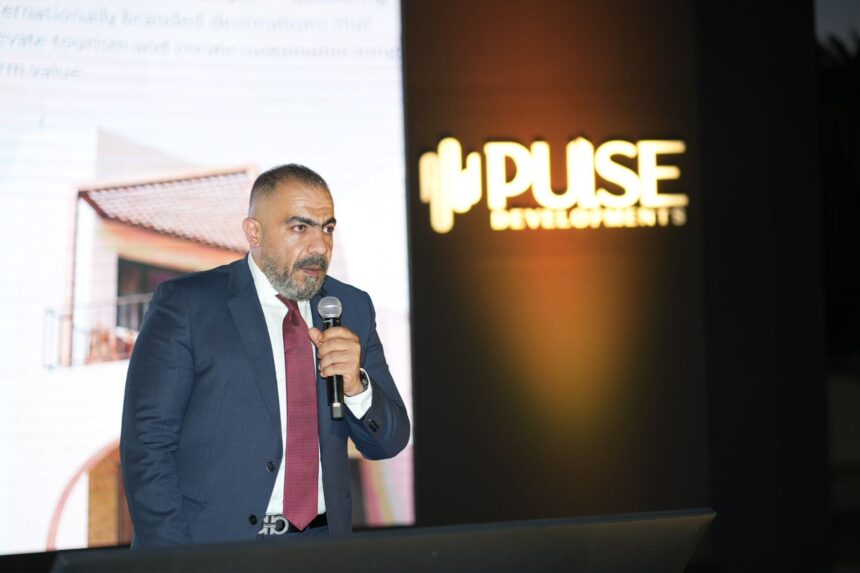
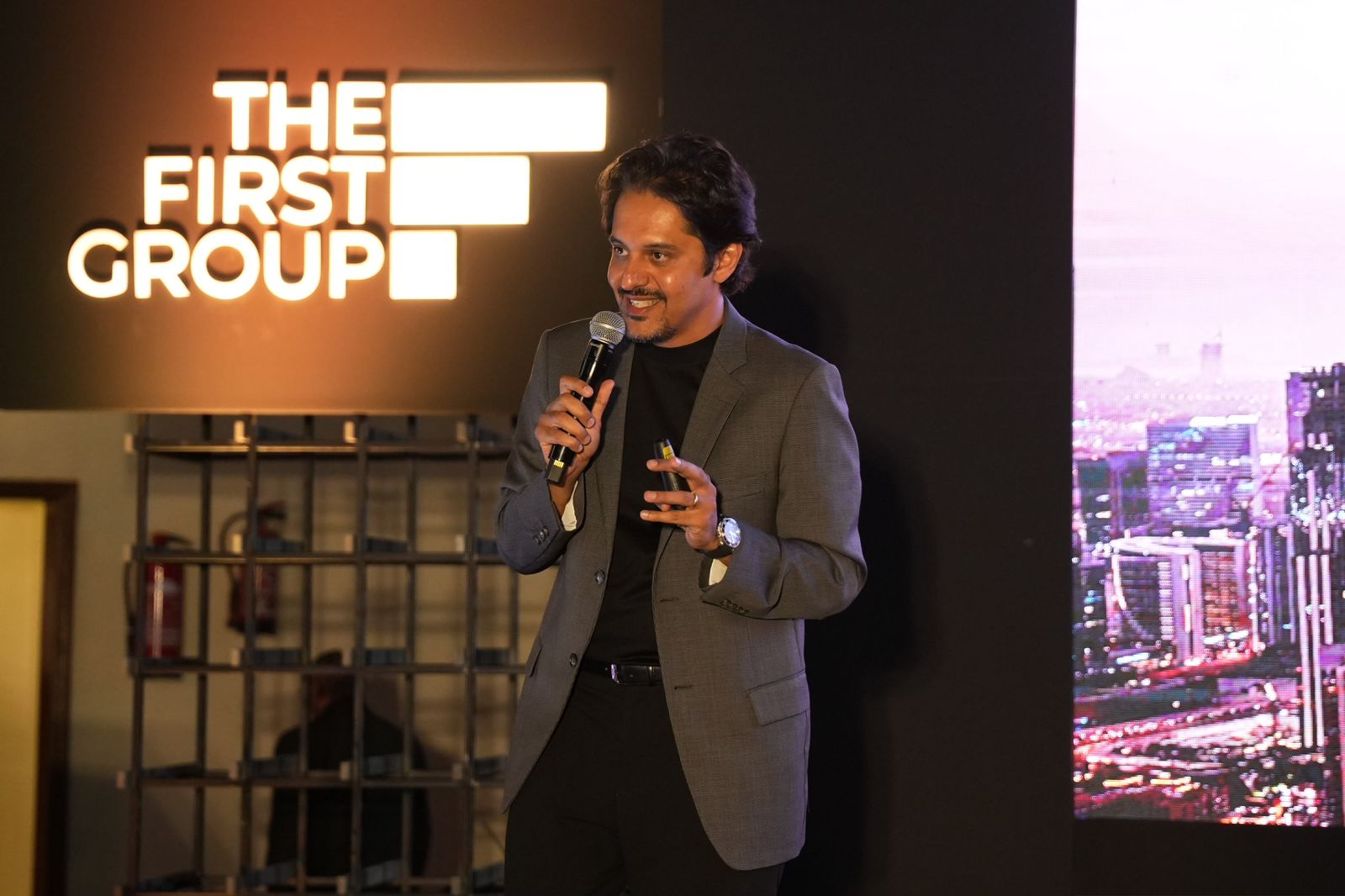
In an interview with Daily News Egypt, Nader Elias, Vice President of Business Development at The First Group; Mostafa Gamal, CEO of Pulse Developments; and Kamal Zahran, Sales Director at The First Group, discuss the partnership, Egypt’s hospitality potential, and their long-term investment strategy.
Why did The First Group choose Egypt for its first international expansion?
Nader Elias: Although The First Group is a British company, all of our developments over the past two decades have been located in the UAE. Egypt represents our first expansion outside that market. We have been visiting Egypt for more than 13 years while promoting our UAE projects and have closely followed the country’s tourism and real estate sectors. We believe Egypt offers exceptional long-term opportunities, particularly in hospitality, making it the ideal first destination for our international expansion.
Why did Pulse Developments choose to partner with The First Group?
Mostafa Gamal: We were looking for more than an international brand—we wanted a partner with proven expertise in hospitality development, operations, and investor relations. The First Group manages nearly 20 hotels in Dubai according to international standards and has built a strong global investor network. That combination makes them the right partner to help us introduce a different hospitality model to the Egyptian market. Our role is development and construction, while The First Group is responsible for international marketing, hotel management, and operations.
What does the partnership involve?
Kamal Zahran: The partnership begins with Sharm Oasis, our first project in Egypt, which applies the same hospitality investment model that has proven successful in Dubai. Investors purchase hotel units as income-generating assets, while an international operator manages the hotel. Investors enjoy professional management and recurring returns without having to operate the property themselves.
Why was Sharm El Sheikh selected as the starting point?
Mostafa Gamal: Sharm El Sheikh was always intended to be the launch point for our hospitality strategy because it remains one of Egypt’s strongest tourism destinations, with consistently high occupancy rates throughout the year. However, this is only the beginning. We plan to expand to the North Coast, Cairo, and other tourism destinations over the coming years.
Kamal Zahran: Our research showed hotel occupancy levels in Sharm El Sheikh averaging around 88%, which is comparable to Dubai. That demonstrates the city’s strong investment potential and supports our decision to launch there.
What are your expansion plans?
Nader Elias: We currently have an investment portfolio exceeding $5bn in Dubai. As we expand into Egypt, we expect that portfolio to continue growing in both countries. Overall, we aim to launch around two new projects annually across Egypt and the UAE.
Mostafa Gamal: On our side, we already have three projects in Sharm El Sheikh, a land plot on the North Coast, and are working to secure two additional sites over the coming months, including one near the Grand Egyptian Museum.
Could you tell us more about the projects?
Mostafa Gamal: The first development is Sharm Oasis. Our second project, expected to be announced within weeks, will require investments of approximately $65m-70m. The third project will be significantly larger, with investments exceeding $500m, bringing total planned investments in the three developments to more than $670m.
What distinguishes your hospitality investment model?
Kamal Zahran: Investors purchase hotel units rather than residential apartments. The hotel is professionally managed, generating annual returns typically ranging between 6% and 8%. Owners can also use their units for several weeks each year while benefiting from professionally managed rental income during the remaining period. This model has proven highly successful in Dubai, where many of our developments have sold out within six months.
Which markets are you targeting?
Nader Elias: Saudi Arabia has long been one of our strongest markets, while Egypt and Africa have become increasingly important. Today, we serve more than 8,000 clients representing approximately 200 nationalities, with Egypt becoming one of our fastest-growing markets in recent years.
How does the partnership support Egypt’s tourism and real estate sectors?
Mostafa Gamal: It aligns directly with the government’s strategy to boost tourism, expand hotel capacity, attract foreign investment, and increase foreign currency inflows. International investors today are looking for fully managed hospitality assets rather than standalone properties. Our partnership provides exactly that through internationally operated hotel developments.
What is your long-term vision for Egypt?
Nader Elias: Egypt is not a single-project opportunity for us. It is a strategic market where we intend to build a long-term presence.
Mostafa Gamal: We aim to develop integrated hospitality destinations that deliver long-term value while supporting Egypt’s tourism growth.
Kamal Zahran: We see tremendous potential in Egypt, particularly in Cairo and other major tourism destinations, and we intend to replicate the successful hospitality investment model we have built in Dubai.