

Egypt’s Ministry of Water Resources and Irrigation plans to use satellite imagery to monitor weed growth and canal-cleaning needs, install new telemetry stations in Fayoum, and complete the Tagin pumping station before the 2027 peak water-demand season.
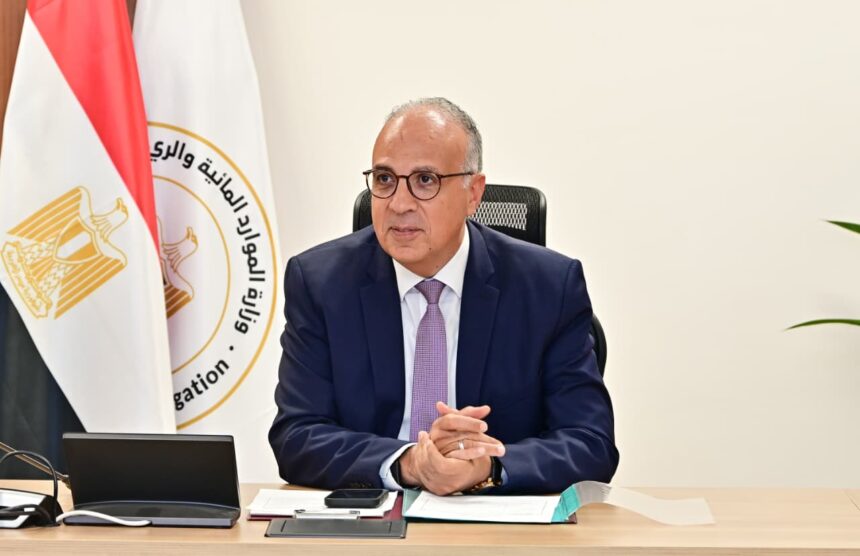
Water Resources and Irrigation Minister Hani Sewilam issued the directives during a review of the performance of the Fayoum water system during the recently concluded peak-demand season, the ministry said.
The review is the first in a planned series covering the ministry’s central water resources and irrigation departments across the country.
Sewilam ordered the ministry’s canal-maintenance monitoring application to be upgraded with satellite imagery, allowing irrigation departments and inspectors to assess weed growth in waterways before issuing cleaning orders.
He also ordered the installation of new telemetry measurement points downstream of the Qate’ Canal intake, on the Ibshaway Canal, and upstream and downstream of the Tagin pumping station, expanding digital monitoring of the governorate’s water network.
The minister instructed officials to complete construction of the Tagin station before the 2027 peak water-demand season and finish maintenance of units at the Bats pumping station by the end of September. A contract is also to be issued to replace the station’s weed-removal crane.
Fayoum water officials were given one month to prepare long-term plans to address the governorate’s water challenges. The ministry will also coordinate with local authorities on building a road parallel to the Qate’ drain and covering part of the Bahr Al-Adwa Canal.
The National Water Research Center was instructed to prepare water-balance studies for Bahr Al-Prince and Bahr Ibshaway, complete studies covering Bahr Abu Ksa and Bahr Disa, and conduct further assessments of Bahr Gerdo, Bahr Al-Gharq, and the discharge pipelines of the Hayar station.
The meeting also reviewed canal and drain cleaning, pumping-station maintenance, subsurface drainage projects, and dredging, as well as the construction of a 150-metre retaining wall along the Bahr Youssef Canal.
Sewilam called for complaints from water users to be classified and analysed before the next peak-demand season to identify recurring problems and improve water delivery.


