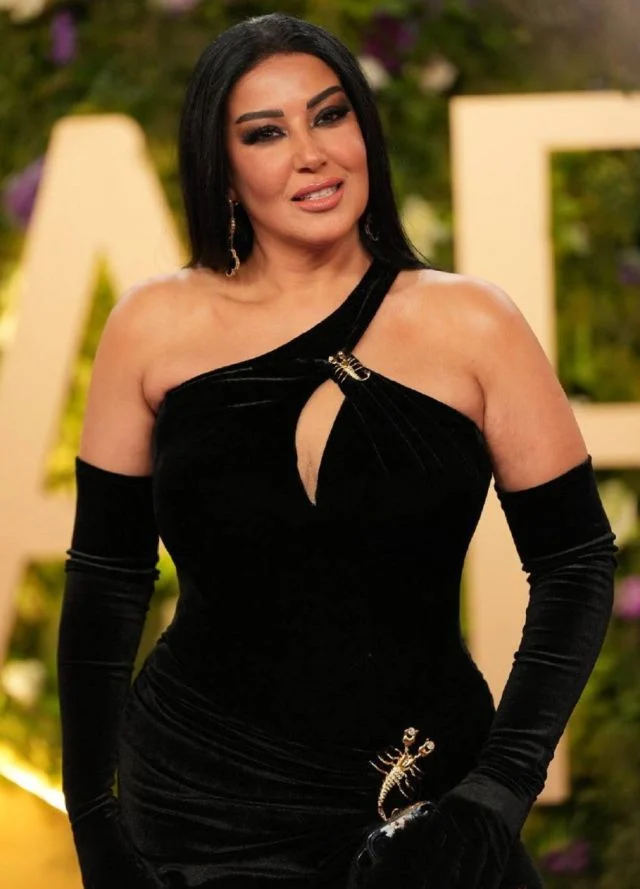
Somaya El Khashab remains one of the most distinctive and recognisable figures in Egyptian cinema and television. Throughout her career, she has built a strong connection with audiences through her ability to inhabit a remarkably diverse range of characters, moving effortlessly between working-class, romantic and dramatic roles, while also exploring cinema and music, including projects that have carried important social and humanitarian messages.
From “Raya and Sakina”, “El Halal” and “Ked El Nesa”, to “Heen Maysara”, “El Raees Omar Harb”, “Mousa” and “Be 100 Ragel”, and most recently her Gulf television experience “Um 44”, El Khashab has consistently demonstrated that she is not interested in appearing on screen simply for the sake of visibility. For her, the real challenge lies in finding a character with depth—one capable of adding a meaningful new dimension to her artistic journey.
In this interview, El Khashab reflects on her experience in “Um 44”, her collaboration with Kuwaiti writer Hiba Mishari Hamada and Syrian director Muthanna Sobhi, the success of “Be 100 Ragel” and “Mousa”, and her perspective on cinema and music. She also discusses why she has become increasingly selective about her projects, her relationship with audiences and social media, and her ambition to create a work addressing children’s wellbeing and safety. She shares her message to young artists and her hopes for the next chapter of her career.
The series “Um 44” generated considerable buzz during Ramadan 2025, and you described it as one of the most important projects of your career. What was it about the role that attracted you in particular?
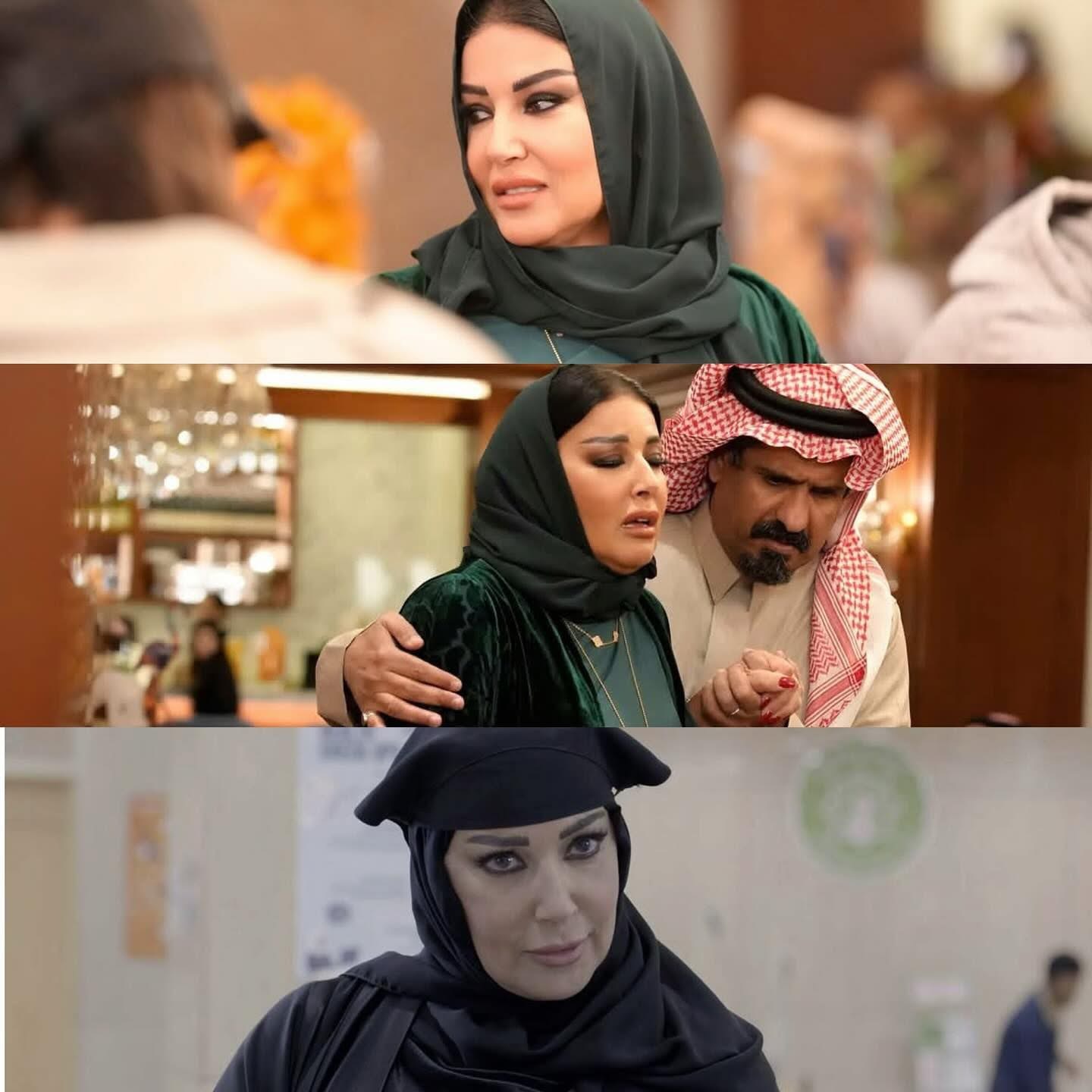
I am extremely happy with my experience on “Um 44” because it was completely different from anything I had done before. I played Mehitab, an Egyptian woman living in a Gulf society whose everyday life is filled with complicated dynamics between her own family and her husband’s family. She finds herself caught up in conflicts involving her mother-in-law, motherhood and marriage, all within a dramatic framework that combines comedy, action and suspense.
The script was exceptionally rich in terms of the different layers of the character, and it explored many issues that resonate with Arab women in their forties. I have never been drawn to easy or predictable roles. I am always looking for characters with depth—roles that challenge me and push me creatively.
I spent three months in Riyadh during filming, and that period was one of the most significant chapters of my career. It opened the door to Gulf drama for me in a very real way and allowed me to work alongside people from different Arab nationalities within one team.
How was your experience working with the Gulf stars, Syrian director Muthanna Sobhi and Kuwaiti writer Hiba Mishari Hamada?
It was truly an exceptional experience. Hiba Mishari Hamada is a writer who thinks outside the box. Her ideas are bold and unconventional, and she gave me tremendous creative freedom without imposing limitations.
Muthanna Sobhi, meanwhile, is the kind of director who pays close attention to detail and the construction of a character. He constantly strives for authenticity and a genuinely believable performance.
As for my colleagues Naif Khalaf, Shehab Hajieh, Mais Qamar and Huda Al-Khatib, they were all incredibly professional. The atmosphere on set felt more like an enjoyable artistic journey than simply a job.
Success in the Gulf market is by no means easy, but thankfully the series resonated strongly with audiences. I now have a very strong following there, which has been a tremendous source of happiness for me.
I firmly believe that Arab art is one unified creative space, and that collaboration between Arab countries enriches the experience and presents audiences with a broader, more diverse picture.
Before “Um 44”, you starred in “Be 100 Ragel” during Ramadan 2024, which you also described as one of your most important experiences. What made the character stand out for you?
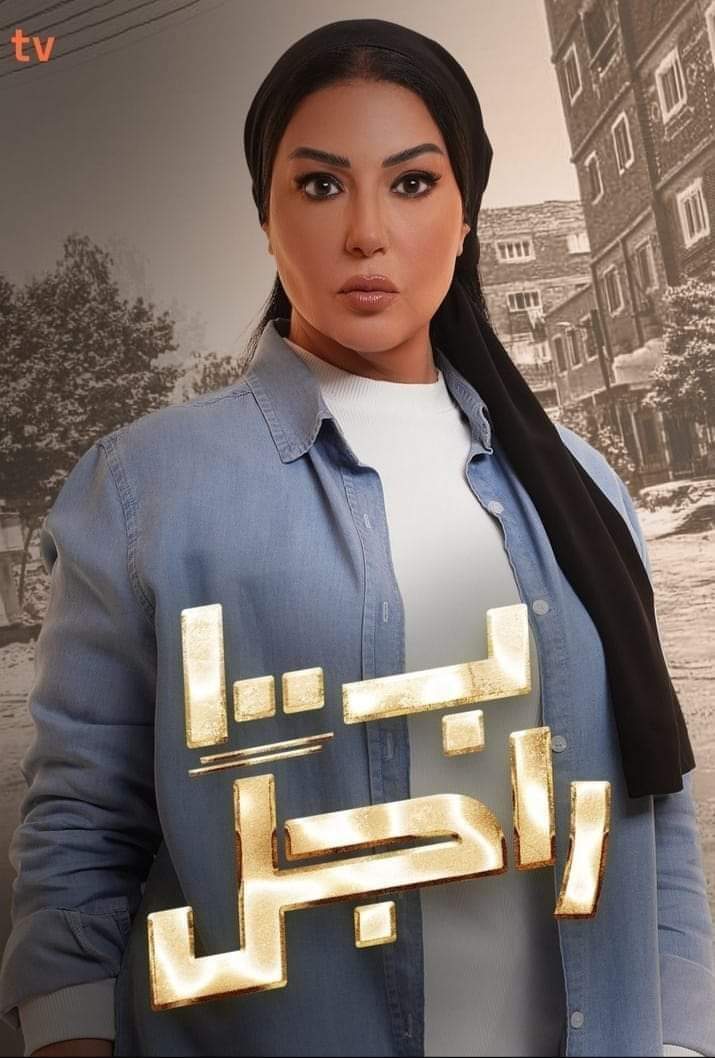
“Be 100 Ragel” marked a strong return for me to the Ramadan drama season after a period away. I played Ghaliya, a working-class woman living in a popular neighbourhood who goes through a series of painful shocks and is eventually forced to work as a minibus driver in order to survive and confront life’s challenges.
She is an exceptionally strong woman—what we would call “a woman who can hold her own against a hundred men”—but at the same time, she has a romantic side and a very vulnerable human dimension.
The series offered a fresh portrayal of the working-class woman, one that was different from previous representations. It also had a fast pace, with surprises at the end of almost every episode.
I loved that the role spoke directly to ordinary people and reflected aspects of their reality. That is the kind of work that will always remain close to my heart.
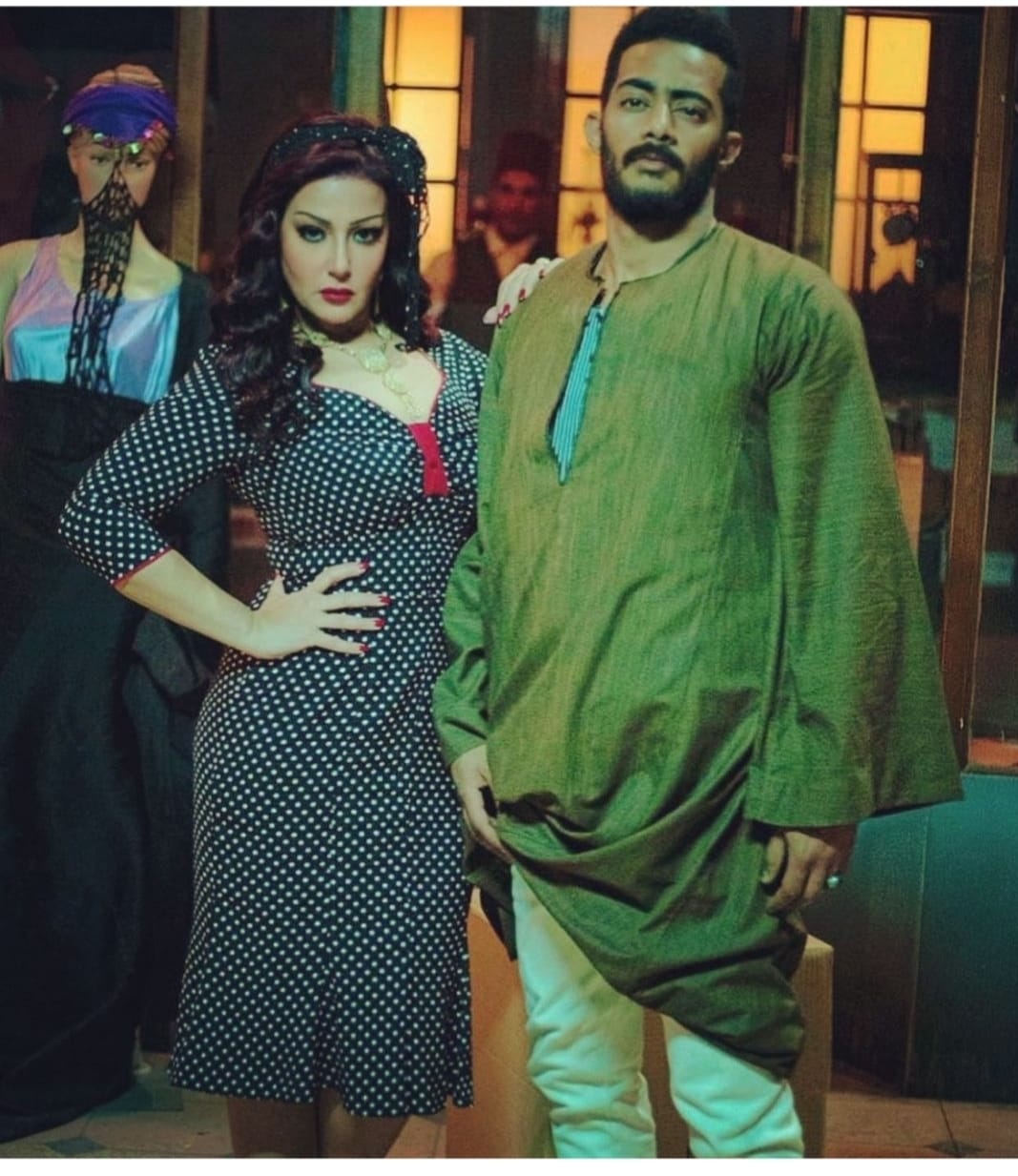
In “Mousa”, opposite Mohamed Ramadan, you played Halawethm. Did you anticipate the enormous success the character would achieve?
Honestly, no. I expected the series to succeed, but I did not anticipate that the character would achieve such extraordinary popularity.
Halawethm has a lot of me in her. She is a tough, resourceful woman who knows how to handle any situation. At the same time, she is deeply romantic and capable of falling completely in love. She is also a spirited, confident girl from the neighbourhood with a strong personality.
I had dreamed of playing a character like her for many years, so when the opportunity finally came, I was incredibly happy.
The audience connected with her from the moment she appeared. In fact, I was already seeing the reaction on social media even before I made my entrance in the series.
The project marked my return after an absence and gave me a tremendous boost. I thank God for that success.
You have important cinematic credits such as “Heen Maysara” and “El Raees Omar Harb”. How do you view a film role compared with television drama?
Cinema has a special kind of magic because it allows an actor to explore deeper human and social experiences within a shorter timeframe.
In Heen Maysara, I played a young woman who was a victim of poverty, homelessness and circumstances beyond her control. The entire film dealt with bold and important social issues.
As an actress, I perform the role as it is written. What matters to me is that the performance feels truthful and that audiences can recognise something of reality in the character.
Art is a means of expression, even when the subject matter is difficult or unconventional.
El Raees Omar Harb, meanwhile, was a completely different experience, particularly because I had the opportunity to work with a major director. Every role adds something new to my artistic journey.
I do not really distinguish between cinema and television. What matters to me is the quality of the work and its ability to leave a lasting impression.
In recent years, you have become increasingly selective about the projects you take on. Why is that?
Because my name has become firmly established, and audiences recognise me even when I am not the sole lead of a project.
I do not believe in taking on a production simply for the sake of appearing on screen. During the most recent Ramadan season, I received many offers, but I did not find anything that matched my artistic history or the level I aspire to maintain.
I protect what I have built over the years. I would rather step away for a while and return when there is a meaningful subject or a genuinely strong project.
Sometimes solitude or stepping away from the spotlight can be a form of emotional and psychological renewal. It gives me balance amid all the noise.
I prefer to return with renewed energy and offer something that adds value both to me and to the audience.
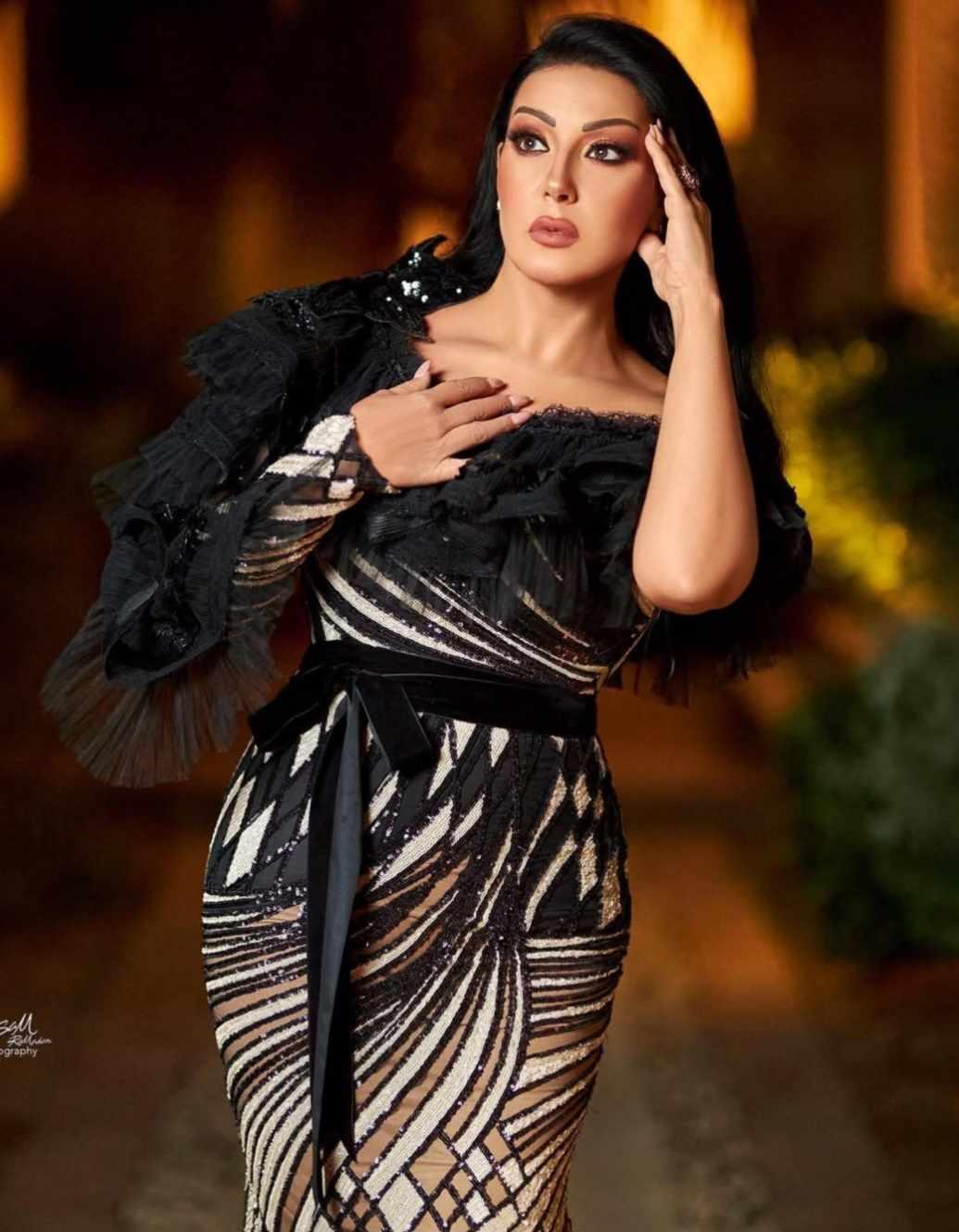
Is music still an essential part of your artistic journey?
Music has lived inside me for a very long time, and I absolutely love it.
“Betestakwa” came about after I heard about many cases of violence through stories shared by my friends. I decided to create a song addressing every man who uses his supposed strength to intimidate or abuse a vulnerable woman.
I asked lyricist Hisham Sadeq to write the words, and I presented the song as a clear message.
I believe that art in general—whether acting or singing—should have a purpose. I am not interested in creating something that is empty or without meaning.
Music requires a great deal of focus, and I try to strike a balance between singing and acting depending on the opportunities available.
You have mentioned several times that you would like to create a project addressing children’s issues. What drives you towards this particular subject?
Children are an extremely sensitive and important part of society, and their sense of safety at school and within their families is an issue that deserves to be brought into the spotlight.
I would love to create a work that addresses these issues directly because drama can communicate a message far more powerfully than ordinary words ever could.
No matter how far a woman progresses, she remains a fundamental pillar of the home. Society is changing, and women have become essential partners in shaping the future of their families and themselves.
I believe art has a responsibility to raise awareness—whether about women, children or any other social issue.
How would you describe your relationship with your audience and social media?
There are no barriers between me and my audience. I enjoy interacting with them, but I do not like being constantly under the spotlight.
Sometimes I step away for a while and return when there is something meaningful that I genuinely want to talk about.
My audience gives me energy, while the honours and recognition I receive provide a powerful emotional boost and recharge my creative energy.
I approach art as a sincere form of expression. When people see themselves reflected in a character or connect with the message I am trying to convey, that is the greatest success for me.
In earlier works such as “Raya and Sakina” with Abla Kamel, “El Halal” and “Ked El Nesa” with Fifi Abdou, there was a clear chemistry between you and your co-stars. What is the secret behind successful collaboration?
Chemistry comes from mutual respect and genuine affection.
Fifi Abdou and I, for example, are extremely close on a personal level. We genuinely wish each other well, and we built on the success of our previous collaborations to work together on more than one project.
As for Abla Kamel in “Raya and Sakina”, that was a legendary experience. People are still talking about it and hoping for a second instalment, and I would certainly welcome the opportunity if it ever arose.
I leave every production with very good relationships with my colleagues. Even if we do not meet again afterwards, I always try to leave behind a positive impression.
There are always rumours about supposed conflicts between artists, but the truth is that I prefer to work in a calm and respectful environment.
What are your hopes for the next stage of your career?
I hope to choose strong, meaningful projects that add something to my artistic legacy, whether in television, cinema or even theatre.
I am not in a hurry. I would always choose quality over quantity.
If I find a screenplay that tackles genuine issues such as children’s safety or the realities women face, I would be very happy to bring it to the screen.
I also want to continue connecting with audiences in an honest and authentic way and to create work that reflects reality and leaves a lasting impact.
The honours I have received recently have reminded me that hard work does not go unnoticed, and that motivates me to keep going.
Art is not merely entertainment; it is a responsibility and a means of expressing the society we live in.
If you could send one message to young artists and another to your audience, what would you say?
To young artists, I would say: choose projects that add something to you, and do not rush into the spotlight at any cost.
Art is a blessing, and what is meant for you will come to you at the right time.
And to my audience, I would say: thank you for all the support and love that give me the strength to continue.
Keep believing in yourselves and focus on the positive.
I always try to offer something sincere, and I hope my upcoming work will live up to your expectations.
Finally, what is new for Somaya El Khashab in the coming period?
I have several projects currently being considered in both cinema and television. I am carefully reading and evaluating them so that I can choose the best among them.
I have become much more selective about my choices because I am looking for work that genuinely adds to my artistic journey and lives up to the trust the audience has placed in me.
I am not looking simply to be visible. I am looking for a character or a project that I truly believe is worth returning to the audience with.
I hope the coming period will bring some exciting surprises and that my next projects will meet the expectations of the audience and make them happy.