

Egypt on Sunday strongly condemned Iranian attacks targeting Jordan, Oman, the United Arab Emirates, Qatar, Kuwait and Bahrain, describing them as a violation of the sovereignty of Arab states and a dangerous escalation that threatens regional peace and stability.
In a series of statements, the Ministry of Foreign Affairs rejected any attacks on the sovereignty or security of Arab countries, reaffirmed Cairo’s full solidarity with the affected states and called for an immediate halt to military escalation, respect for international law and a return to political and diplomatic solutions.
The Egyptian position came as Foreign Minister Badr Abdelatty held a series of telephone consultations with his counterparts in Oman, Qatar, the UAE and Bahrain following mediation efforts hosted in Muscat to revive US-Iran negotiations. The ministers underscored the need to de-escalate tensions, safeguard freedom of navigation in the Strait of Hormuz and ensure that the security concerns of Gulf states remain central to any future diplomatic arrangements.
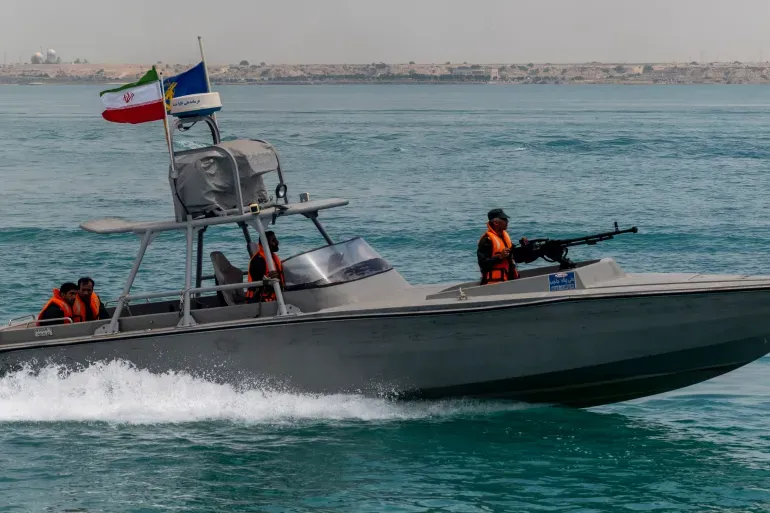
The diplomatic outreach coincided with a fresh escalation on the ground. US Central Command said it had carried out a third wave of strikes against around 140 Iranian military targets, including air-defence systems, missile facilities and naval assets near the Strait of Hormuz, in response to an attack on a commercial vessel transiting the strategic waterway. Axios, citing a US official, reported that the operation also targeted Revolutionary Guard missile-defence systems and fast attack boats.
Iran responded by announcing retaliatory strikes against US military positions across the region. Tehran said it had targeted Prince Hassan Air Base in Jordan as well as logistical facilities supporting US aircraft carriers at the Port of Duqm in Oman.
Qatar, the United Arab Emirates, Bahrain and Kuwait said they had activated air-defence systems and emergency security measures in response to the attacks. Qatar also announced the temporary suspension of domestic maritime activities while allowing internationally regulated commercial shipping to continue operating.
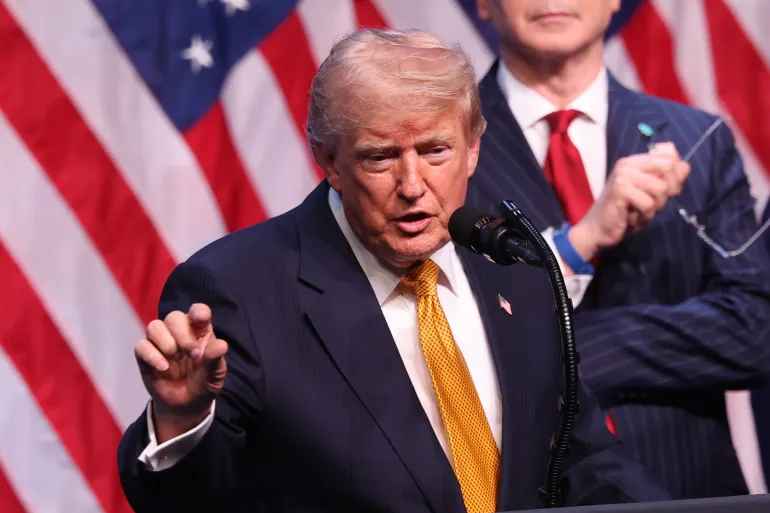
The latest exchange further heightened concerns over navigation through the Strait of Hormuz. Iran’s Strait of Hormuz Administration announced the closure of the waterway, citing what it described as unlawful US military activities, and said transit requests would be reviewed only after stability had been restored. US President Donald Trump, however, maintained that the strait remained open to commercial shipping.
Separately, Oman said it had rescued 23 crew members from a Cyprus-flagged merchant vessel involved in an incident off the coast of Musandam, while search operations continued for one missing sailor.
Diplomatic efforts to avert a broader regional conflict continued in parallel. Qatari and Pakistani mediators intensified contacts aimed at reviving negotiations between Washington and Tehran and preserving the memorandum of understanding reached in June.
Iranian Foreign Minister Abbas Araghchi accused the United States of violating previous understandings through repeated military strikes and urged the United Nations to take a firm stance against what he described as American aggression. President Masoud Pezeshkian said Iran was confronting a combined military and economic war that required national unity.

