

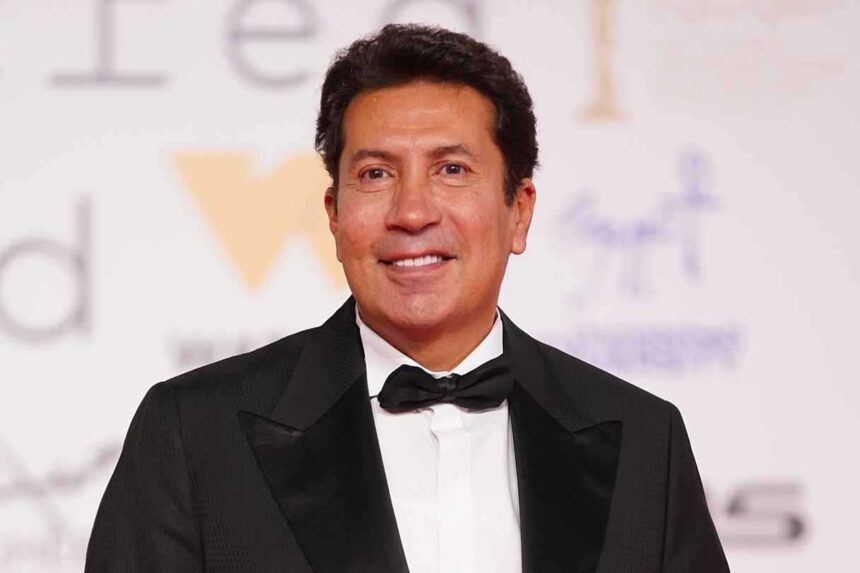
For more than three decades, Hany Ramzy has remained one of Egypt’s most recognisable and enduring comic actors, building a career defined by intelligent humour, authenticity and an unwavering respect for his audience. From his breakthrough performances in theatre with Egyptian icon Mohamed Sobhi to a string of box-office hits that have become modern classics of Egyptian cinema, Ramzy has consistently demonstrated that comedy can entertain while also carrying a meaningful social message.
Now, as he prepares for one of the busiest periods of his career—with new television dramas, feature films, theatrical productions and the long-awaited sequel to “Ghaby Meno Fih”—Ramzy reflects on his artistic journey, the evolution of Egyptian comedy, the challenges facing today’s entertainment industry and why sincerity remains the foundation of every memorable performance. He also shares his views on artificial intelligence, streaming platforms and the future of Egyptian cinema, while offering advice to the next generation of actors.
After a relatively quiet period, you’re returning with several major productions in 2026, beginning with the Ramadan drama “Bedon Moqabel”. What attracted you to this project?
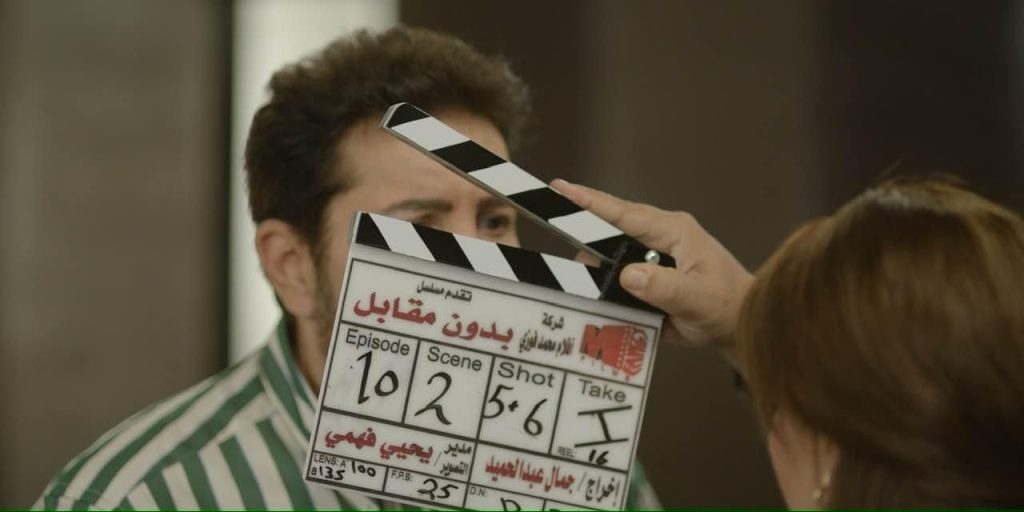
What immediately drew me to “Bedon Moqabel” was how completely different it is from the roles audiences usually associate with me. It’s an intense dramatic thriller that pays tribute to the courage and sacrifices of Egypt’s security forces in confronting terrorism—a subject with profound humanitarian and national significance.
I play retired police officer Shehab El-Refaie, a character with considerable emotional complexity and psychological depth. The role gave me the opportunity to step away from comedy and explore a far more layered dramatic performance. I had been searching for a project that offered this kind of artistic challenge for quite some time, and the moment I read the script I knew it was exactly what I wanted to do. Now that filming has resumed, I hope we deliver a production worthy of audiences’ expectations during Ramadan.
Does this mean you’re gradually moving away from comedy?
Not at all. Comedy is an inseparable part of who I am as an artist, and it will always remain the genre closest to my heart. It’s through comedy that audiences came to know me, and I deeply value that bond.
That said, I firmly believe an actor should never allow himself to become repetitive. Every new role should present a fresh challenge and reveal another dimension of his abilities. Dramatic roles enrich my experience as an actor, but they don’t replace comedy—they simply broaden my artistic horizons.
You’re also working on the television series “Esterahat Mohareb”. What can audiences expect from this production?
“Esterahat Mohareb” is a pure drama, completely different from the comedy people usually expect from me. We’re currently in the final stages of production, and the series explores deeply emotional human experiences through characters shaped by conflict, sacrifice and difficult choices.
For me, it’s another exciting artistic challenge because it takes me into entirely new dramatic territory. I hope audiences will discover a different side of my performance, and I believe it could become one of the biggest artistic surprises of 2026.
Your fans have been eagerly waiting for a sequel to “Ghaby Meno Fih”. Where do preparations stand?
I’m delighted to say we’ve officially begun developing the sequel, although the screenplay is still being written and refined.
Our goal isn’t simply to make another instalment—we want to produce a film that surpasses the original in storytelling, comedy and overall production quality. Sultan will return with the same lovable personality audiences remember, but he’ll find himself in entirely new situations filled with fresh surprises that I hope everyone who loved the first film will enjoy.
You’re also preparing another feature film. Can you tell us anything about it?
It’s still in the writing stage, but I can say it represents a very different artistic experience for me.
Although it’s fundamentally a comedy, it also has strong social and romantic dimensions, combining humour with genuine emotional warmth and heartfelt moments. Rather than relying solely on rapid-fire jokes or action-driven comedy, it aims to offer a richer emotional experience. I’m genuinely excited about this project because it reflects the kind of storytelling I’d like to pursue at this stage of my career.
You have enjoyed extraordinary popularity across Egypt and the Arab world for decades. Looking back today, how do you view your artistic journey?
First and foremost, I thank God for everything I’ve achieved, and I’m deeply grateful to everyone who has supported me throughout this remarkable journey.
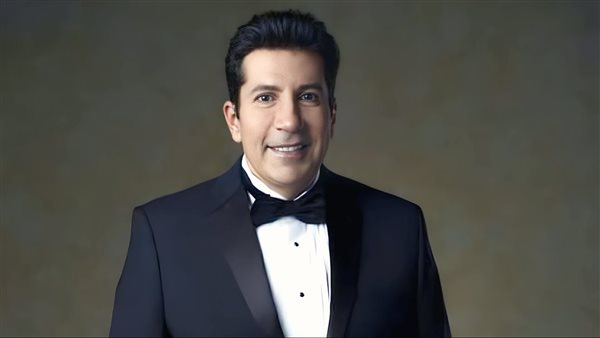
When I look back, I feel a great sense of satisfaction because I had the privilege of working alongside some of Egypt’s greatest artists. My career began under the guidance of Mohamed Sobhi in “Takharif” and “Wijhat Nazar”. Those productions were among the most significant milestones of my life, shaping my artistic identity and giving me the confidence to perform before live audiences.
Later came cinema, with landmark productions such as “Saeidi Fil Gameaa Al Amerikeya” and “Nasser 56”, followed by leading roles in films including “Ghaby Meno Fih”, “Ayeez Haaky” and “Gawaz Bi-qara Gomhuri”. Every stage of my career brought new challenges, but I’ve always believed that dedication, perseverance and genuine respect for audiences are the true foundations of lasting success.
You’ve worked alongside many of Egypt’s greatest actors. What did those experiences teach you?
Working with distinguished artists is an education beyond measure. They taught me discipline, professionalism, punctuality, humility and complete dedication to the craft.
Success is never accidental; it’s built through continuous hard work and lifelong learning. Every actor I had the privilege of working with left a lasting impression on me, both professionally and personally, helping to shape not only the performer I became, but also the person I am today.
Your comedy has always carried a deeper message. Do you believe laughter can genuinely influence society?
Absolutely. To me, comedy has never been simply about making people laugh. It is a powerful social and humanitarian language.
I’ve always tried to tell stories that resonate with ordinary people—stories that make audiences smile while also encouraging them to reflect. Laughter eases life’s burdens, but it can also draw attention to important issues and inspire positive change. That’s why I consider comedy one of the most demanding—and most influential—forms of artistic expression.
Your return to the theatre through “Abu Al Araby Fi Mission Impossible” has been warmly welcomed. What does this play represent to you?
The character of “Abu Al Araby” holds a very special place in my heart because he represents the ordinary Egyptian citizen—simple, sincere, optimistic and remarkably resilient. I believe audiences embraced him because they recognised themselves in him.
As for theatre, it remains my first love. It’s where actors truly test themselves every night, receiving immediate feedback from the audience. There’s nothing quite like hearing genuine laughter or heartfelt applause fill a theatre. Every return to the theatre feels like coming home.
If you had to choose between theatre and cinema, which would it be?
That’s almost an impossible question.
Theatre is the true academy of acting. It sharpens an actor’s instincts, builds confidence and instils discipline through direct interaction with live audiences. Every performance is unique, and every night presents a new challenge.
Cinema, on the other hand, gives performances a form of immortality. A film continues to reach new generations long after it has been made. For that reason, I cherish both equally. Each has its own unique magic, and I could never choose one over the other.
In an era marked by the rapid transformation of the entertainment industry and the rise of digital streaming platforms, how have you managed to preserve your artistic identity?
I firmly believe that today’s audiences are more discerning and culturally aware than ever before. They can easily distinguish between work that offers genuine artistic value and productions that rely solely on sensationalism or fleeting trends.
For that reason, I’ve never felt compelled to change my artistic philosophy simply to follow a passing trend or pursue short-term popularity. My priority has always been to create work that respects both the audience’s intelligence and the values of the Egyptian family. True art is measured not by the excitement it generates when it’s released, but by its ability to endure.
One of the greatest compliments I receive is from young people who weren’t even born when some of my films first premiered, yet they still watch them today and laugh with the same enthusiasm as earlier generations. To me, that’s the ultimate proof that sincere art transcends time.
Has social media changed the way artists choose their projects?
There’s no denying that social media has become an important part of every artist’s life. It has brought performers much closer to their audiences and provides immediate insight into public reactions.
However, it should never become the primary criterion for choosing artistic projects. I would never accept a role simply because it has the potential to become a trending topic. Truly successful work creates its own legacy through quality and authenticity. Numbers may generate headlines, but they don’t create artistic history.
Artificial intelligence is rapidly transforming many creative industries. Do you believe AI will have a significant impact on cinema and comedy?
Technology will undoubtedly continue to reshape filmmaking and television production, and I welcome any innovation that enhances creativity and improves production quality.
That said, I don’t believe technology can replace the human soul. Artificial intelligence may help generate ideas, improve visual effects or streamline production processes, but it cannot recreate genuine emotion or lived experience.
Art is, at its core, a profoundly human conversation. Authentic laughter comes from real emotions, shared experiences and a deep understanding of society. Those qualities cannot be manufactured by algorithms, no matter how sophisticated they become.
How do you view today’s new generation of comedy stars?
I’m genuinely encouraged by the remarkable number of talented young performers emerging today. Egypt has extraordinary creative potential, and I believe many of these artists deserve every opportunity to succeed.
However, talent alone is never enough. Lasting success requires continuous learning, intellectual curiosity, discipline, patience and profound respect for the profession.
Comedy is far more than delivering amusing lines. It’s a sophisticated craft built on strong writing, carefully developed characters, precise timing and meaningful dramatic situations. My advice to every young comedian is simple: never stop learning. The greatest artists remain students throughout their entire careers.
In your opinion, what is currently missing from Egyptian comedy?
Egypt is fortunate to have exceptional writers, directors and performers. What we need is greater investment in strong screenplays and more time devoted to careful preparation.
Comedy should never be rushed. It requires thoughtful writing, meticulous craftsmanship and artistic patience. Above all, we must continue to respect our audiences’ intelligence. Today’s viewers are more sophisticated than ever before, and they expect comedy that is both entertaining and meaningful.
How do you see the future of Egyptian cinema?
I remain deeply optimistic.
Egypt has always been—and will continue to be—the cultural and cinematic heart of the Arab world. We have a remarkable artistic legacy and an abundance of gifted professionals across every discipline.
Our responsibility now is to nurture emerging talent, encourage fresh ideas and produce films that reflect our society while embracing modern cinematic language without sacrificing our cultural identity. I believe the future holds tremendous promise.
Can audiences look forward to new projects in the near future?
Absolutely.
Alongside the sequel to “Ghaby Meno Fih”, preparations are underway for new theatrical productions featuring the beloved character “Abu Al Araby”. I’m also developing a contemporary social comedy series that explores the challenges facing the Egyptian family from a modern and entertaining perspective.
Although several of these projects are still in development, I’m genuinely excited about what lies ahead and hope audiences will embrace them with the same warmth and generosity they have always shown me throughout my career.
After such an extraordinary career, what does Hany Ramzy still hope to achieve?
More than anything else, I hope to remain close to people.
I don’t measure success by awards or fame. My greatest reward is knowing that I’ve brought a smile to someone’s face or offered comfort during a difficult moment.
If audiences remember me as someone who spread joy and optimism through his work, I will consider that the greatest honour any artist could ever receive.
What advice would you give to young people who dream of becoming actors?
My first piece of advice is simple: love this profession and respect it.
Never make fame your primary goal. Fame is simply the natural result of dedication, perseverance and continuous self-improvement.
Read extensively. Stay curious. Never stop learning. Broaden your understanding of life, because great actors never stop educating themselves. And above all, don’t rush success. Every carefully taken step builds a foundation that can last a lifetime.
Finally, what would you like to say to the audience that has stood by you throughout your remarkable career?
From the bottom of my heart, I simply want to say thank you.
Your love, loyalty and unwavering support have been my greatest source of strength throughout every stage of my career. After God’s grace, you are the reason I’ve been able to continue this journey for so many years.
I promise to remain committed to creating work that respects your intelligence, reflects your values and lives up to the trust you’ve placed in me.
I still believe laughter is one of life’s greatest remedies, and that refined comedy is far more than entertainment—it’s a noble artistic mission capable of spreading hope, easing life’s burdens and bringing smiles to people’s faces.


