

Egypt has fully settled outstanding dues owed to oil and gas investment partners, restoring investor confidence and helping the country’s crude oil production return to a growth trajectory after years of decline, Minister of Petroleum and Mineral Resources Karim Badawi said on Wednesday.
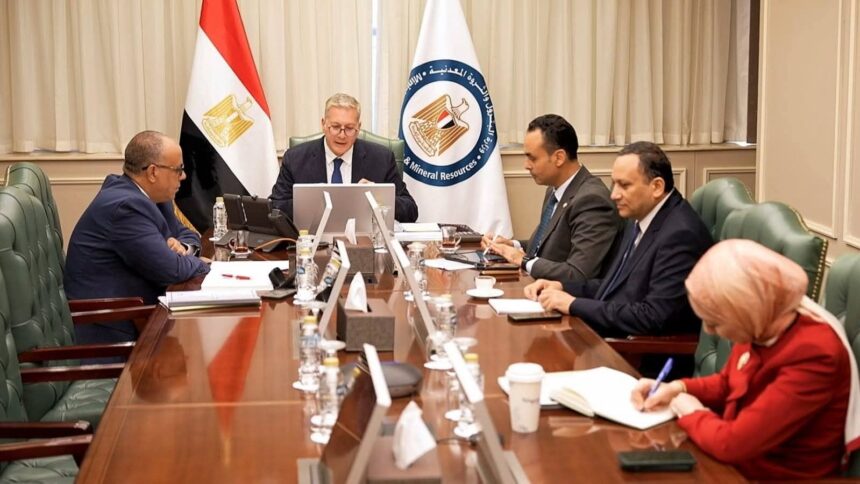
Speaking during a board meeting of the Egyptian General Petroleum Corporation (EGPC) held via video conference, Badawi said settling partners’ receivables had been the ministry’s top priority, describing it as a cornerstone of efforts to attract fresh investment in oil and gas exploration and production.
The minister said the government had gradually reduced the outstanding dues over the past two years until they were fully cleared, while also introducing a package of investment incentives to encourage new exploration and development activities.
These measures have enabled Egypt’s crude oil production to resume growth, particularly from onshore fields, where new wells can be brought online more quickly than offshore projects.
Badawi noted that Egypt’s crude oil production had been on a downward trend since 2021 due to the accumulation of overdue payments to foreign partners, which exceeded $6bn two years ago.
He added that efforts to increase natural gas production in cooperation with international partners are also beginning to yield results. Most of Egypt’s gas output comes from deepwater fields in the Mediterranean Sea, which require substantial capital investment, advanced technologies, and longer development timelines.
Among the key outcomes of renewed investor confidence, the minister highlighted the Denis gas discovery, which is estimated to contain around 2 trillion cubic feet of natural gas reserves. He said the discovery reflects Egypt’s untapped resource potential and underscores the importance of maintaining an attractive investment climate through timely payments and supportive incentives.
Looking ahead, Badawi said the petroleum sector’s five-year strategy aims to double Egypt’s domestic crude oil production by 2030 through the wider adoption of advanced technologies, including horizontal drilling and hydraulic fracturing, alongside the introduction of more flexible contractual frameworks to stimulate investment.
On energy security, the minister said Egypt successfully secured fuel supplies for the electricity sector during the summer of 2025, when electricity demand reached a record 40.5GW, thanks to close coordination between the Ministries of Petroleum and Electricity. He added that efforts are continuing to ensure stable fuel and energy supplies throughout the current summer season.
Badawi credited the coordinated efforts of the ministries of electricity, finance, local development and environment, investment and foreign trade, and industry with supporting the settlement of partners’ dues, restoring investor confidence, strengthening energy security, and ensuring the country’s energy needs are met.
During the meeting, EGPC Chief Executive Salah Abdel Karim and Deputy CEO for Financial and Economic Affairs Amal Tantawy reviewed agenda items and measures aimed at enhancing the corporation’s operational efficiency.
The minister reaffirmed that EGPC plays a pivotal role in securing domestic petroleum product supplies by increasing production, expanding exploration activities, improving refinery efficiency, and supporting the sector’s broader strategic objectives.


