

Egypt’s Ministry of Water Resources and Irrigation and Coca-Cola have discussed a potential project to treat and desalinate agricultural drainage water using renewable energy, as part of efforts to enhance water sustainability and expand non-conventional water resources.
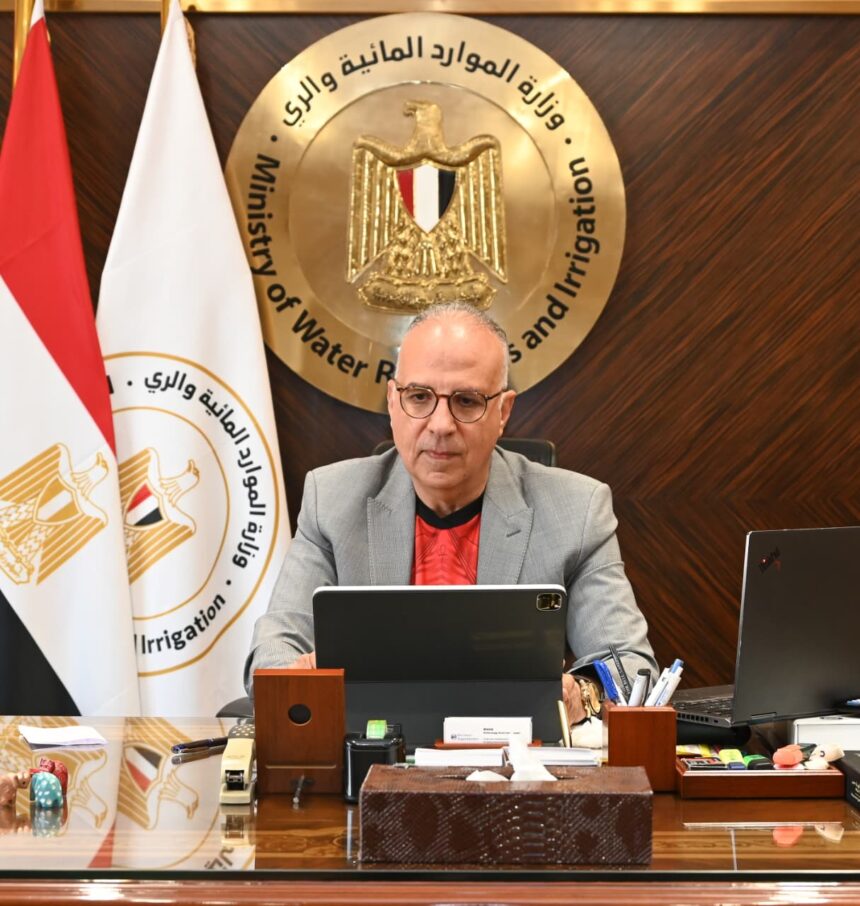
The ministry said Water Resources Minister Hani Sewilam met with representatives of Coca-Cola to explore cooperation under the company’s global Replenish 2.0 programme, which supports water sustainability initiatives.
According to the ministry, the proposed project would treat moderately saline agricultural drainage water and convert it into a new, sustainable source of irrigation without drawing additional supplies from the Nile River.
The discussions were held within the framework of Egypt’s Water Resources Strategy 2050, which prioritises water reuse as a key tool for addressing water scarcity, population growth, and climate-related pressures.
Sewilam said the project forms part of a broader national programme aimed at expanding water reuse, improving water quality, and strengthening the agricultural sector’s resilience to climate change.
He noted that the proposal builds on several years of technical and institutional studies conducted in cooperation with organisations including the United Nations Development Programme, the International Development Research Centre, and the Center for Applied Research on the Environment and Sustainability at the American University in Cairo. These studies found the project to be technically, environmentally, and economically viable.
The minister added that Egypt is seeking to strengthen partnerships with the private sector and development partners to implement innovative water-management solutions and advance sustainable development goals. He emphasised that the ministry encourages the adoption of modern technologies and non-conventional water solutions, provided they meet economic and technical feasibility requirements.
The ministry said the initiative could serve as a model for public-private cooperation in water management, helping improve food security, create jobs, and support communities facing increasing water stress.
Coca-Cola representatives expressed interest in supporting projects with positive environmental and social impacts and said discussions would continue to explore financing and implementation mechanisms for the proposed initiative.


