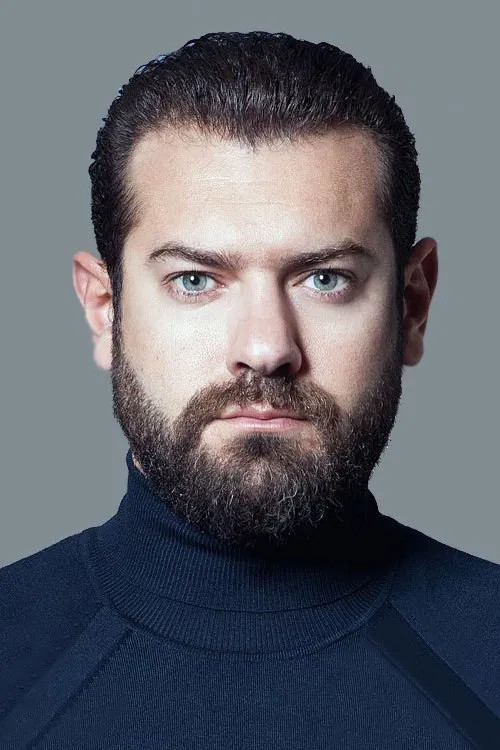
In memorable dramatic works, stardom is never simply about appearing on screen; it lies in the ability to create a character that feels deeply human; shaped by contradictions, vulnerabilities and unresolved questions. From this nuanced territory, Egyptian actor Amr Youssef steps into the world of his new series “Al Frensawy”, portraying one of the most layered roles of his career: a man constantly navigating the fragile boundary between law and chaos, justice and the temptation to reshape it according to his own convictions.
Rather than relying solely on suspense or conventional conflict, the series delves into the complexities of human psychology, presenting morally ambiguous characters that resist easy judgment, a quality that gives the production its distinctive identity. In this interview, Youssef discusses the making of “Al Frensawy”, his extensive preparation for the role, the importance of table rehearsals, his connection to the legal world, and why he sees his current artistic choices as the most selective and mature phase of his career.
How would you describe the experience of “Al Frensawy”?
It was a very different experience for me, and I consider it one of the most important projects I have undertaken in recent years because the series introduces a fresh approach in terms of writing, execution and pacing. From the moment I read the script, I felt I was dealing with an unconventional project, one written with exceptional craftsmanship and built around intricate details in its characters, relationships and conflicts.
What attracted me most was that the series is not a traditional legal drama. Instead, it combines crime, psychological depth and suspense, which makes it, in my view, something entirely new on almost every level.
What drew you to the character of Khaled Mosheer in the series?
The character is extremely complex, and that was precisely what fascinated me. Khaled Mosheer is not a conventional hero; he is a morally grey figure constantly moving between good and evil, allowing each viewer to interpret him differently.
At times, you sympathise with him, while at other moments he unsettles you because he is always walking a fine line between respecting the law and bending it in pursuit of justice according to his own principles. This type of character gives an actor enormous space for performance and psychological depth, which made the role particularly enjoyable for me.
If he were a real person, I think I would actually befriend him because, despite his occasional harshness, he possesses many deeply human qualities.
How did you prepare for the role?
The preparation process was lengthy and extremely important to me, particularly because the character belongs to the world of law and advocacy. I graduated from the Faculty of Law, which helped me understand certain aspects of legal thinking and professional conduct. However, I did not rely solely on that background.
I spent considerable time speaking with lawyers and judges to understand the finer details of the profession; from communication styles to behavioural patterns within legal circles. We also paid close attention to the visual elements of the series, including locations, set design and atmosphere, because authenticity was essential in every aspect of the production. We filmed in multiple locations to ensure viewers genuinely feel immersed in this world.
What is the significance of the series consisting of only ten episodes?
I believe ten-episode productions have a major advantage because they allow both the writer and director to maintain focus without unnecessary prolongation. Audiences today are drawn to fast-paced storytelling and tightly structured narratives, which is why this format has become increasingly appealing.
Another important factor was that most of the episodes had already been written before filming began. This created a sense of stability and focus and allowed us to hold proper, detailed table rehearsals, something that is sometimes lost in longer productions due to time constraints.
When the script is complete from the outset, actors can build their characters more effectively and fully understand their psychological development from beginning to end. Naturally, this is reflected in the quality of the performance.
How were you cast in the project?
The idea was presented to me years ago, and from the very beginning I felt it was a unique project worth taking a risk on. What encouraged me further was writer-director Adam Abdel Ghaffar’s determination to cast me in the lead role because he strongly believed I was the right fit for the character. That gave me tremendous confidence and enthusiasm.
In addition, the presence of such a distinguished ensemble cast was an important factor because collective stardom always enriches a production and strengthens it artistically.
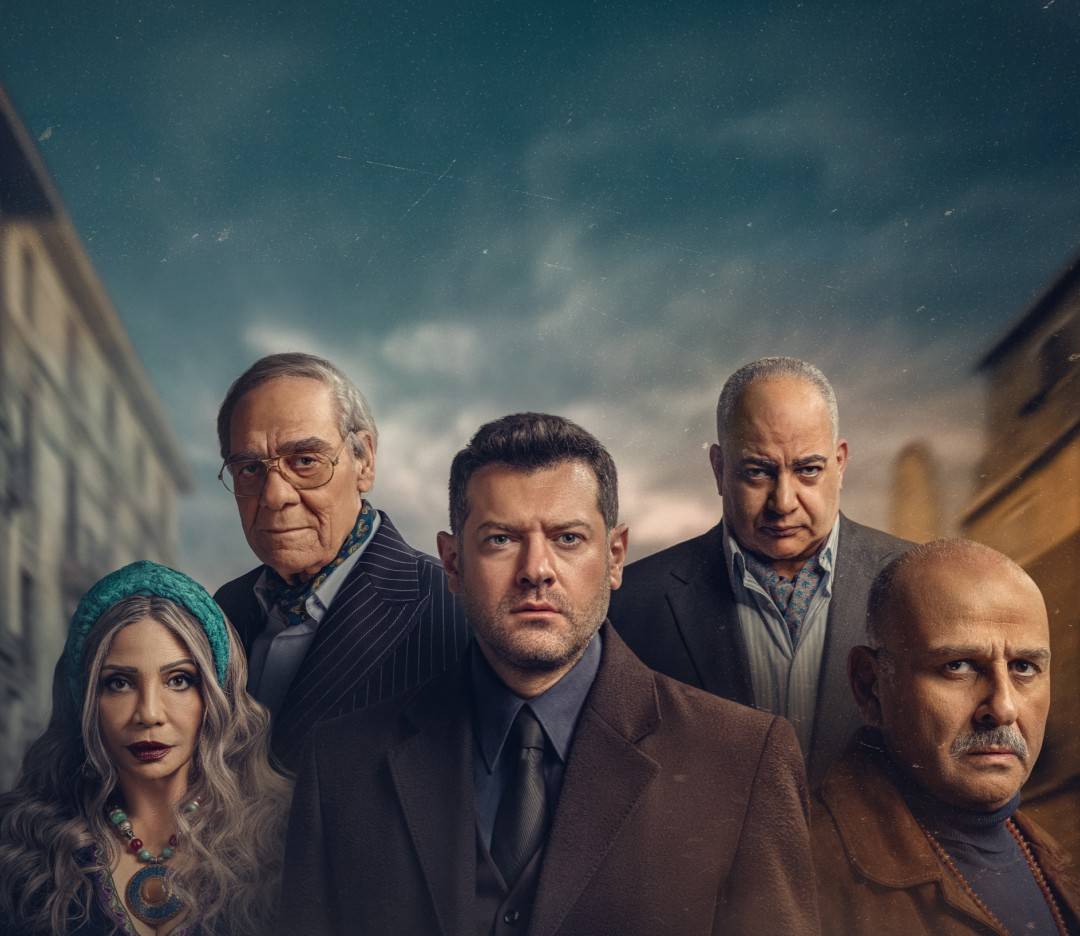
The series features a large group of renowned actors. What were the filming dynamics like?
I was genuinely pleased to work alongside major talents such as Gamal Soliman, Sawsan Badr, Bayoumi Fouad, Aïcha Ben Ahmed and many others. The presence of such accomplished actors naturally creates healthy artistic competition, where each performer strives to deliver their best.
The atmosphere behind the scenes was filled with artistic discussions and detailed conversations about the characters, which undoubtedly had a positive impact on the overall quality of the series.
The series is dedicated to the memory of the late writer Wahid Hamed. What does that mean to you?
It carries immense value for all of us because the name Wahid Hamed represents an extraordinary legacy in Arab drama and cinema. His works were always distinguished by courage, awareness and the ability to address societal issues with remarkable depth.
Dedicating the series to his memory therefore holds profound significance, and I sincerely hope the work lives up to that honour.
Are there similarities between you and the character you play?
I do not believe there are many similarities between us, except perhaps commitment to work and perseverance. Khaled Mosheer is fundamentally different from me in terms of mindset and emotional reactions.
Perhaps that is exactly what made the experience enjoyable because I was looking for a character that felt psychologically and emotionally distant from my own personality.
You stepped away from television drama for a period. Why return now?
Over the past few years, I focused more heavily on cinema and participated in projects that I valued deeply and that resonated with audiences. However, I was waiting for a truly distinctive television project before returning.
I dislike repetition, so when “Al Frensawy” came along, I immediately felt it was the right project to return with because it offers a fresh and unconventional experience. I genuinely enjoy television drama because it reaches audiences quickly and widely, but cinema also has its own unique magic, and I still consider it an essential part of my artistic journey.
How do you view the audience’s reaction to the series?
Thankfully, the reactions have been extremely positive since the first episodes aired, and that has made me very happy. Audiences today have become far more discerning because of their exposure to international productions and streaming platforms, which means they no longer accept just any work unquestioningly.
Viewers are now fully capable of recognising genuine quality — whether in writing, directing or performance — and seeing this level of engagement with the series is truly rewarding.
Is there a possibility of a second season?
That ultimately depends on the success of the first season and the audience’s response. Certainly, the dramatic world and characters leave room for continuing the story, but the final decision always comes after evaluating the experience as a whole.
What is the greatest challenge for you in any new project?
The greatest challenge is always maintaining passion while avoiding repetition. I want audiences to feel they are seeing something different from me each time.
That is why I devote significant attention to preparation and research before beginning any project. Every character requires its own distinct approach and performance style, and achieving that demands considerable effort and time.
What about your upcoming projects?
There are several projects I am currently working on, and I am particularly excited about the film “Mawsim Sayd Al-Ghozlan”, adapted from a novel by Ahmed Mourad. It is a distinctive and important experience for me.
I have always enjoyed moving between cinema and television drama because each medium offers its own unique challenges and rewards.