

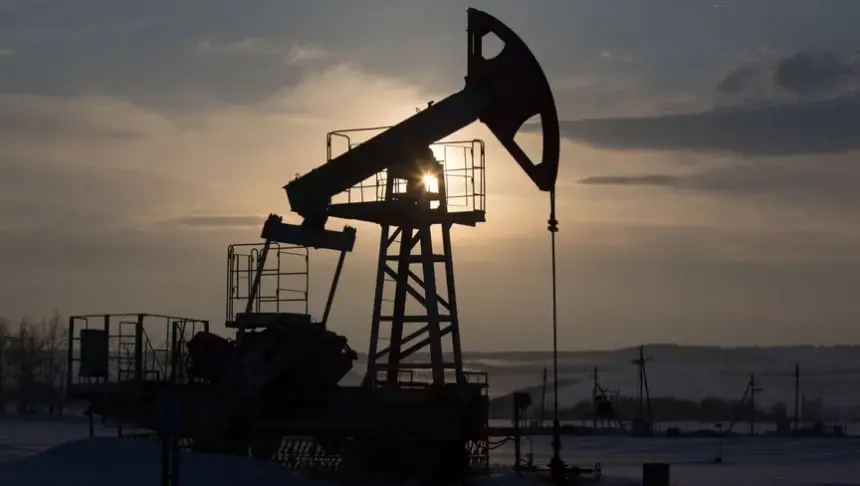
The OPEC+ alliance is set to consider a larger-than-expected increase in oil supplies during its meeting on Sunday, according to a delegate, following US and Israeli air strikes on targets inside Iran.
The potential shift in production strategy comes as military escalation threatens global energy flows. Israel’s Energy Ministry has ordered the temporary closure of several offshore natural gas fields in its territorial waters, citing “security assessments” amid the exchange of strikes between Washington, Tel Aviv, and Tehran.
OPEC+, led by Saudi Arabia and Russia, had previously been expected to resume modest production increases of 137,000 barrels per day (bpd) starting in April, following a three-month supply freeze. However, the alliance will now evaluate a more significant boost to output as markets react to the heightening regional conflict.
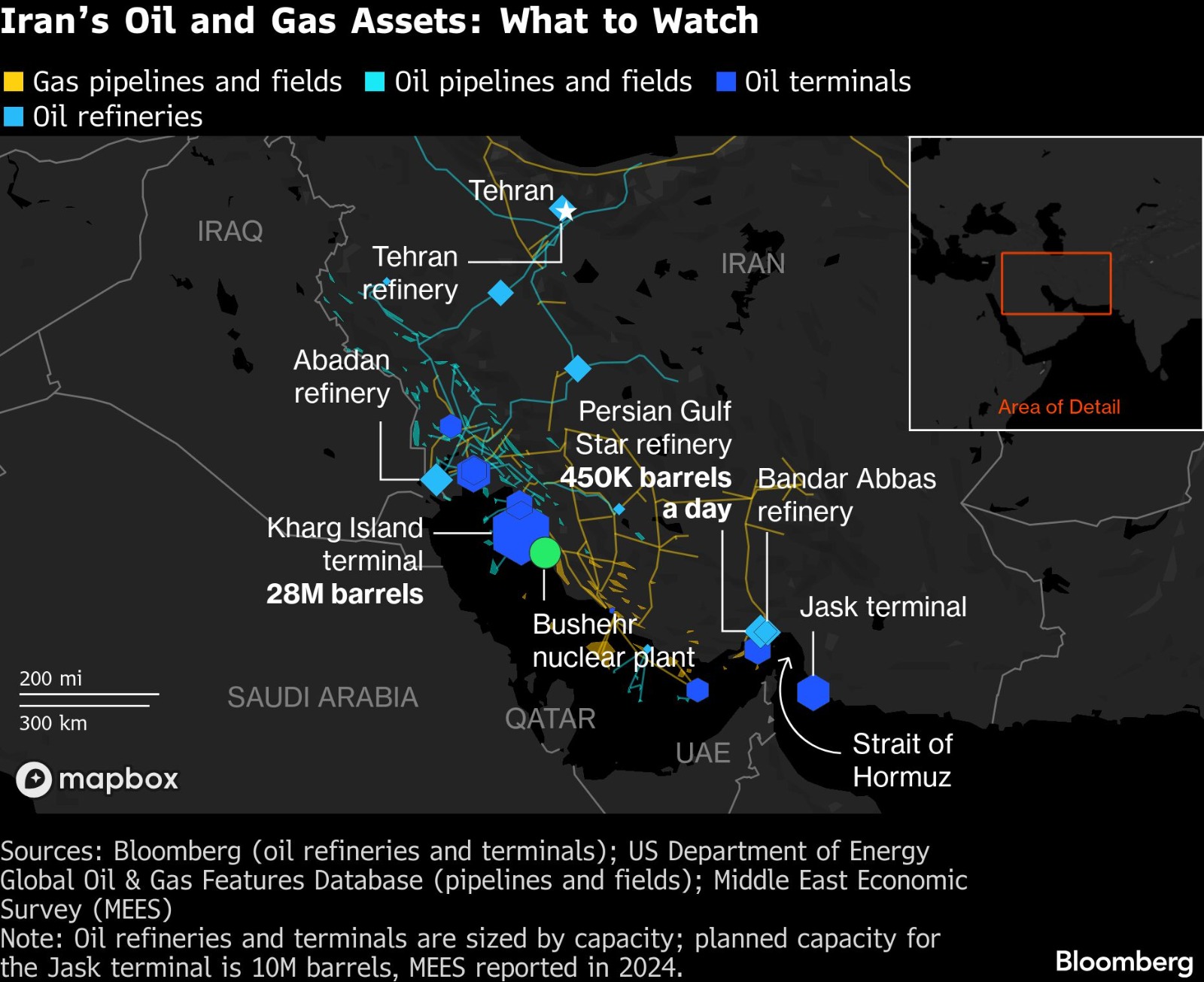
The military developments have already impacted key energy infrastructure. Iran’s semi-official Mehr news agency reported an explosion on Saturday at Kharg Island, the country’s primary oil export terminal. While no direct confirmation of damage to the terminal was provided, the island handles the vast majority of Iran’s exports, which have recently exceeded 2m bpd. Earlier this month, Tehran reportedly accelerated tanker loadings at the facility to move crude to sea in anticipation of potential attacks, a tactic previously employed in June ahead of Western strikes.
In the eastern Mediterranean, the Israeli Energy Ministry’s decision to shut down gas facilities has raised concerns over regional energy stability. Israel operates three major offshore fields that supply domestic needs and export gas to Egypt and Jordan. Cairo relies on these supplies to feed its liquefaction plants for re-export, while Amman uses the gas for power generation. The ministry did not specify the duration of the closure or the volume of production affected but noted the move was a response to the direct exchange of strikes in the region.
Iran currently produces approximately 3.3m bpd, representing 3% of global output and making it the fourth-largest producer in OPEC. Although international sanctions remain in place, Tehran has increased production from less than 2m bpd in 2020 by directing 90% of its exports to China. This trade is facilitated by a “shadow fleet” of older tankers that often disable tracking systems to evade detection.
The country’s core oil assets are located in Khuzestan province, including the Ahvaz, Marun, and West Karoun fields. Its refining sector is led by the Abadan facility, which processes over 500,000 bpd, alongside the Bandar Abbas and Persian Gulf Star plants. The latter is critical for processing condensate, a light crude abundant in Iranian fields.
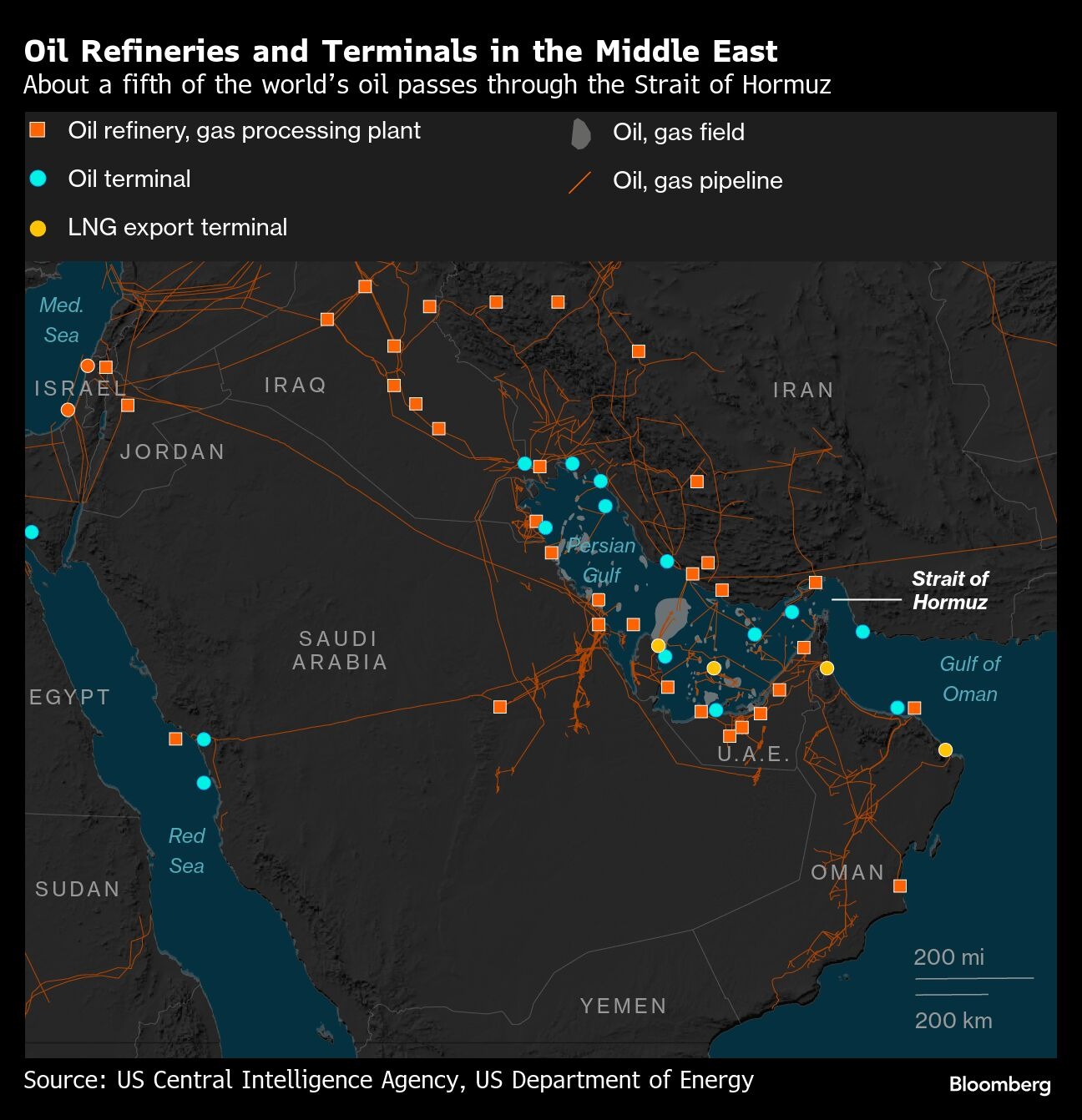
The conflict has renewed focus on the Strait of Hormuz, a maritime chokepoint through which one-fifth of global oil and significant volumes of Qatari liquefied natural gas (LNG) pass. While Saudi Arabia and the United Arab Emirates (UAE) have some capacity to bypass the strait via pipelines, a total closure—which Tehran has warned is within its capabilities—is viewed by analysts as a “catastrophic scenario” for global markets.
Regional producers appear to be accelerating shipments in response to the tension. Saudi crude exports averaged 7.3m bpd in the first 24 days of February, a near three-year high, while combined exports from Iraq, Kuwait, and the UAE are projected to rise by 600,000 bpd compared to January levels, according to Vortexa data.
Historical precedents of infrastructure attacks, such as the 2019 strike on Saudi Arabia’s Abqaiq plant which halted 7% of global supply, continue to influence market risk premiums. Observers noted that during hostilities last year, approximately 1,000 vessels per day faced GPS interference near Iranian shores, resulting in one tanker collision.
Market volatility has persisted throughout 2026. While Brent crude ended 2025 down 18% on oversupply fears, prices have risen 19% this year due to the escalating U.S.-Iran tensions. Ziad Daoud, chief emerging markets economist at Bloomberg Economics, stated that oil prices typically rise by 4% for every 1% drop in supply, warning that a worst-case scenario involving a wider regional conflict could see prices exceed $100 per barrel.

