

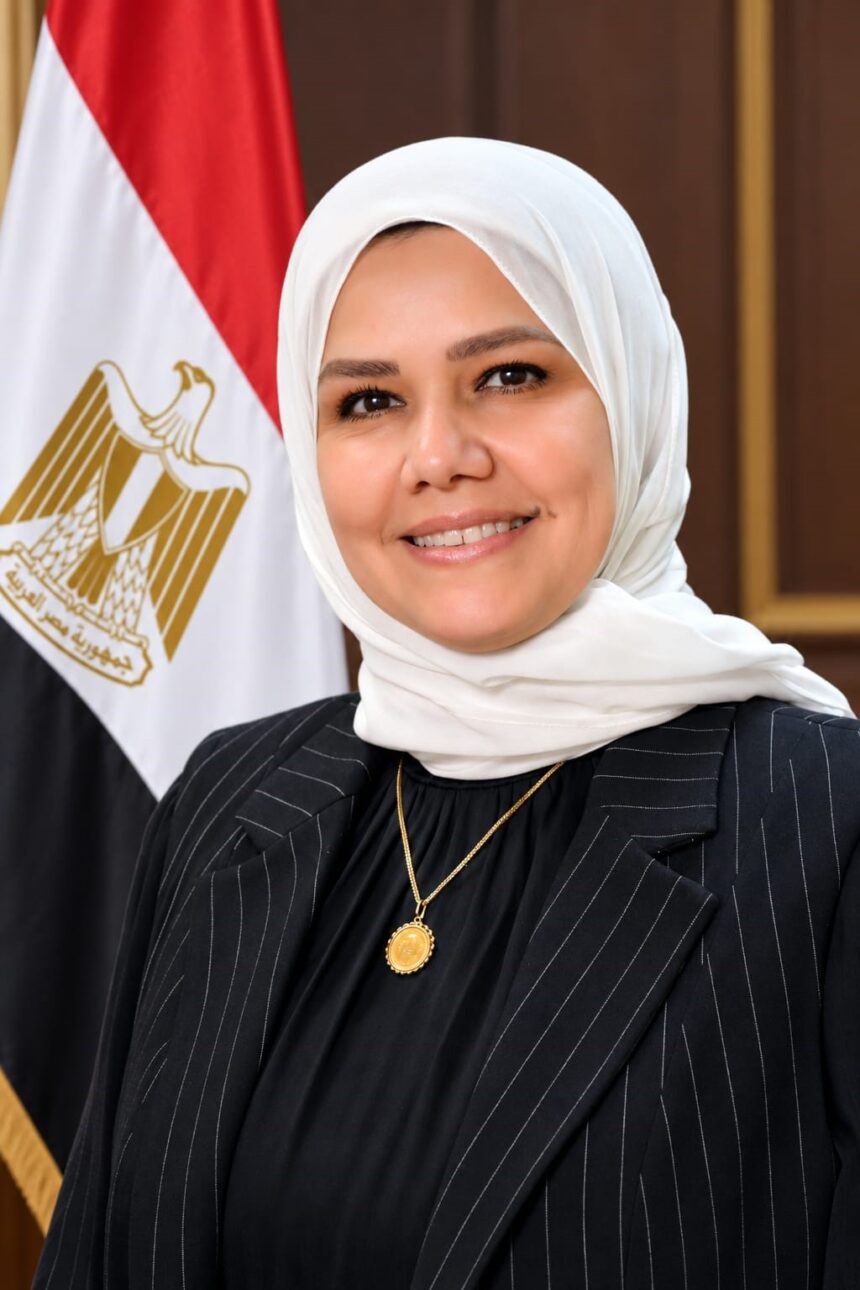
The Egyptian Tax Authority (ETA) has announced that Egypt will host the 2026 Annual Meetings of the African Tax Administration Forum (ATAF) from 1 to 5 November, bringing together African tax administrations to address key challenges facing the continent, with a focus on strengthening domestic resource mobilisation, modernising tax systems and advancing international tax cooperation.
Head of the ETA Rasha Abdel-Aal said the meetings will provide an important platform for African countries to exchange experiences, discuss common challenges and explore practical approaches to strengthening their capacity to mobilise domestic resources and finance development priorities.
“Egypt’s hosting of these meetings reflects our commitment to strengthening cooperation with African countries and learning from successful experiences across the continent. We see this as an important opportunity to exchange expertise and identify practical solutions that will help our tax administrations become more efficient and responsive to the needs of taxpayers,” Abdel-Aal said.
She explained that hosting the meetings aligns with the directives of Minister of Finance Ahmed Kouchouk, who has emphasised the importance of leveraging successful African and international experiences to advance tax administration, strengthen workforce capabilities and support ongoing reforms aimed at improving service delivery, simplifying procedures and building trust with the business community.
The meetings will feature a comprehensive agenda covering domestic resource mobilisation, revenue enhancement, international tax cooperation, institutional and digital transformation, and capacity building, while taking into account the different economic conditions and institutional capacities of African countries.
Discussions will also examine developments in international tax cooperation, particularly the United Nations Framework Convention on International Tax Cooperation and the role of African countries in international deliberations on the allocation of taxing rights.
Other key topics include combating illicit financial flows, strengthening tax transparency, beneficial ownership, exchange of information and improving tax enforcement capabilities. The agenda will also address tax equity, public trust in tax systems, debt and fiscal space, tax incentive governance, taxation of extractive industries and natural resources, and taxation of the digital and global economy.
“Many of the challenges facing African tax administrations require greater cooperation and coordinated approaches. These discussions will allow us to share experiences and strengthen our collective ability to address emerging tax challenges while ensuring that African perspectives are reflected in international tax discussions,” Abdel-Aal noted.
Modernising tax administration
Institutional modernisation and capacity building will also be central to the programme, with discussions focusing on organisational development, investment in digital infrastructure, data governance, workforce skills and the use of technology to improve administrative efficiency and taxpayer services.
“Modernising tax administration requires continuous investment in our institutions, our people and our digital capabilities. By strengthening these areas, we can improve the efficiency of our tax systems, provide better services to taxpayers and enhance our capacity to mobilise revenue sustainably,” she added.
The five-day programme will comprise plenary sessions, parallel panel discussions, technical committee meetings, governance meetings and closed statutory sessions. It will also include the 9th General Assembly of the African Tax Administration Forum.
The official opening will be attended by Minister of Finance Ahmed Kouchouk, Head of the ETA Rasha Abdel-Aal, ATAF Council Chairperson Johnstone Makhubu and ATAF Executive Secretary Mary Baine.
Abdel-Aal reaffirmed that Egypt’s hosting of the ATAF Annual Meetings represents an opportunity to deepen partnerships among African tax administrations, strengthen the exchange of expertise and advance collective efforts to develop more effective tax systems that support sustainable domestic resource mobilisation and Africa’s development goals.


