

Egypt’s real estate market is moving towards a more diversified financing model as developers increasingly combine customer instalments with bank facilities, receivables securitisation and institutional capital, according to Savills Egypt.
Between March 2025 and August 2026, six major developers secured bank facilities worth up to EGP 52.2bn through syndicated loans, bridge financing and revolving credit facilities. At the same time, receivables securitisation is gaining traction as developers seek to convert future customer payments into liquidity to support ongoing construction.
One example is an EGP 30bn securitisation programme launched this year, with an initial issuance of EGP 2.015bn.
The growing need for external financing is linked to longer customer payment periods, which have extended to eight, 10 and 12 years in some projects. While these plans support sales, they also spread collections over longer periods, creating a financing gap during construction.
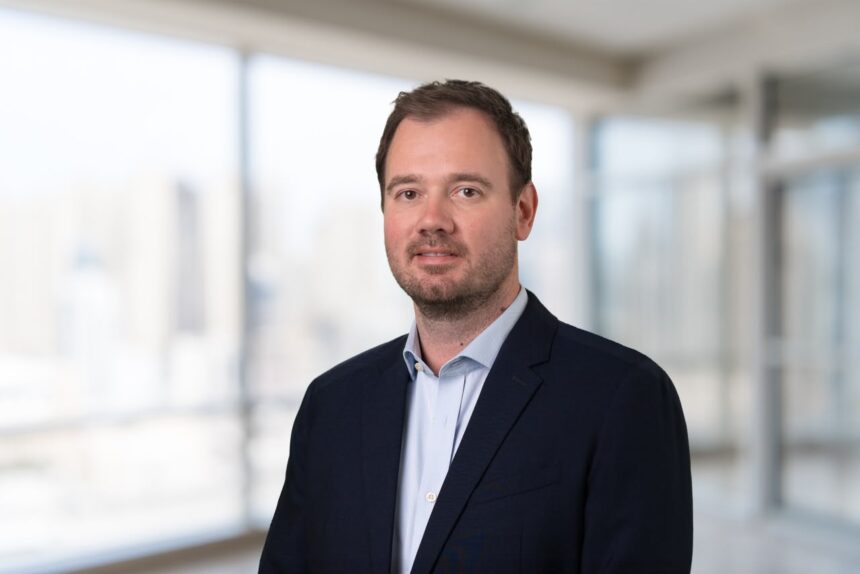
Catesby Langer-Paget, Head of Savills Egypt, said Egypt’s development model has expanded significantly in scale, requiring the financing ecosystem to evolve accordingly.
“Strong contracted sales remain an important indicator of demand, and the timing of collections shapes liquidity throughout construction. A wider range of funding channels gives developers greater flexibility to match capital with each stage of development,” Langer-Paget said.
Developers are increasingly delivering large, master-planned communities that incorporate residential, commercial and other facilities, rather than smaller standalone projects. Internal roads, utilities, construction and public spaces require significant upfront capital, while schools, healthcare and hospitality assets typically involve longer investment and operating cycles before generating revenue.
In earlier market cycles, when developers’ roles were more limited, customer payment plans of four to five years were more common. Longer collection periods today have increased the need for complementary financing sources, with off-plan sales generally covering only part of the capital expenditure required for large-scale developments.
Bank financing can provide funding against defined projects and expected cash flows, while securitisation allows developers to bring forward the value of future receivables. Major developers are increasingly establishing multi-year securitisation programmes to provide liquidity throughout different stages of the development cycle.
Institutional capital is also emerging as another potential source of funding. Six licensed real estate investment funds held combined net assets of around EGP 12.6bn at the end of the second quarter of 2026, up from EGP 9bn a quarter earlier.
The market is also seeing new fund initiatives, including a Saudi-Egyptian consortium’s plans for a real estate and hospitality fund targeting SAR 1bn in first-year investments, subject to approval from the Financial Regulatory Authority.
Savills said the expansion of institutional investment will require greater transparency, professional asset management, reliable market data and stronger governance. Unlike individual investors, who typically focus on capital appreciation, payment terms and resale potential, institutional investors place greater emphasis on occupancy, lease quality, operating performance and predictable income.
The firm also highlighted escrow accounts as a potential tool to strengthen financial discipline in off-plan developments by holding customer payments in dedicated accounts and releasing funds against independently certified construction milestones.
Langer-Paget said Egypt has strong underlying demand and a substantial development pipeline, adding that the shift from building individual projects to creating large-scale communities requires a corresponding evolution in the financing ecosystem.


