

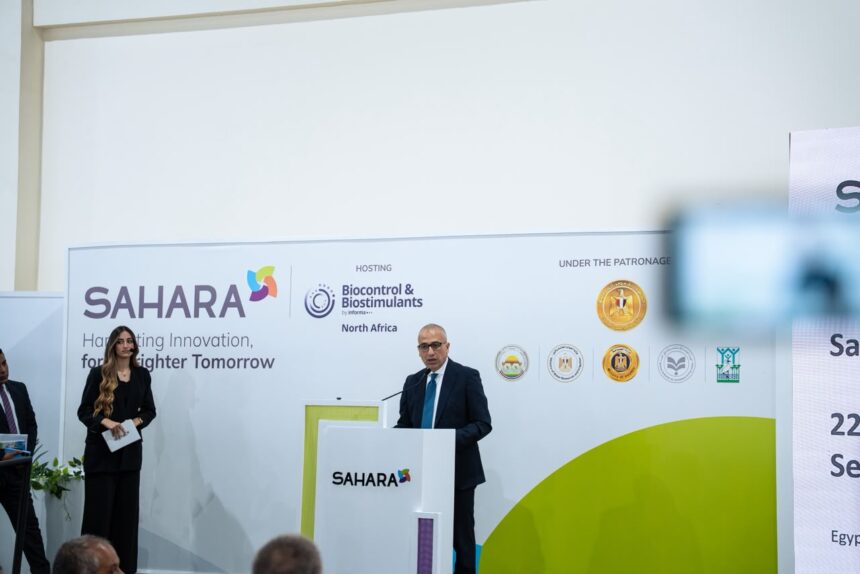
Mohamed Abu El-Saud, CEO of the Agricultural Bank of Egypt (ABE), said the bank recorded strong growth in its business results during the first half of this year, with total financing increasing by around 25% in June 2026 and its loan portfolio exceeding EGP 110bn, compared with around EGP 88bn in December 2025.
“The Agricultural Bank of Egypt is a key partner in Egypt’s agricultural and rural development, and supporting farmers is at the forefront of the bank’s strategic priorities,” Abu El-Saud said.
“The bank works to provide financing solutions and banking services for various agricultural and productive activities. The agricultural sector accounts for around 70% of the bank’s credit portfolio, including EGP 36bn directed to small farmers.
“The bank also continues to develop its banking products and services, while prioritising digital transformation to make it easier for customers, particularly those in rural areas, to access banking and financing services,” he added.
Abu El-Saud made the remarks during his participation in a panel discussion at the Sahara International Agricultural Exhibition.
During its participation in the exhibition, the bank showcased an integrated range of financing solutions and banking services designed to serve the agricultural sector, including financing programmes for crops, plant production, and contract farming, alongside digital services and solutions aimed at facilitating access to banking services for customers, particularly in rural areas.
Abu El-Saud said the bank has participated in the Sahara exhibition for around 20 years and, for the past six years, specifically as a sponsor, reflecting its belief in the exhibition’s importance as a key platform for the agricultural sector that enables direct engagement with those working in the industry and a closer understanding of their needs.
The Agricultural Bank of Egypt is one of the oldest specialised banks in Egypt and the Middle East and plays a pivotal role in supporting and financing the agricultural and rural sectors, contributing to economic development and food security.
The bank was established in 1930 and currently operates as a wholly state-owned joint-stock company. It provides integrated financing solutions for various agricultural and development activities, alongside production inputs, through an extensive network of more than 1,100 branches and advanced storage infrastructure covering the country.


