

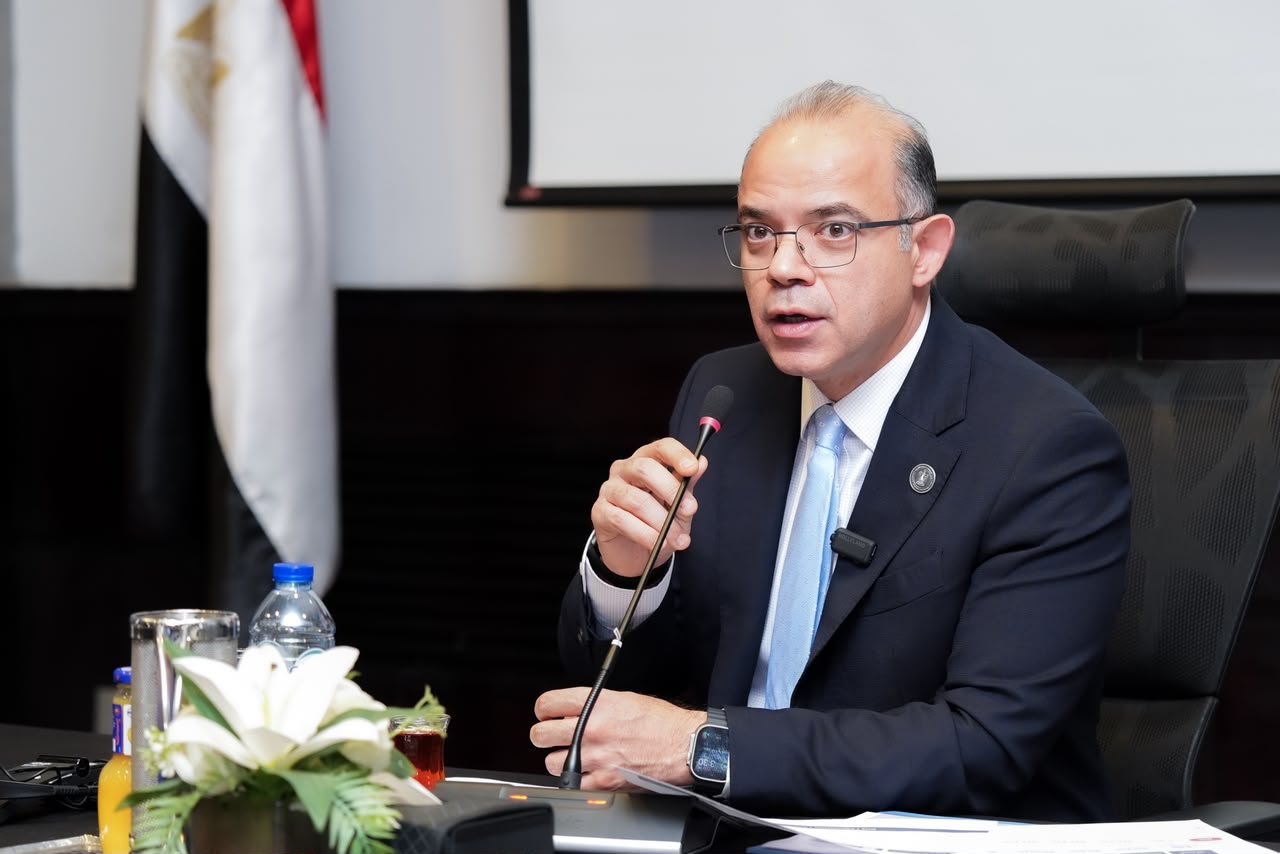
Egypt is developing a new operating model for The Sovereign Fund of Egypt (TSFE)) and its subsidiary funds to expand partnerships with the private sector and mobilise investment in priority sectors, Investment and Foreign Trade Minister Mohamed Farid said.
Farid said the funds could take minority stakes of between 10% and 20% in selected investments to reduce entry risks and encourage private investors to participate, stressing that their role is to support and attract private capital rather than manage projects on behalf of the private sector.
The minister noted that the Industrial Investment Fund has completed its establishment procedures and is finalising the formation of its board, with three to four investment opportunities currently under review.
Farid pointed to improving macroeconomic indicators as evidence of the economy’s growing capacity to absorb investment. GDP growth reached 5.1%, up from 4.4%, while the government is targeting growth of between 5.5% and 6%.
He said Egypt’s economic transformation is centred on expanding private-sector participation while providing the tools and investment environment needed to increase capital flows into productive activities.
Streamlining the Investment Climate
Farid said the government is working to simplify investment procedures, integrate government entities, and reduce the time and cost involved in completing transactions.
The ministry is also preparing amendments to the executive regulations of Companies Law No. 159 of 1981 to facilitate mergers and acquisitions, improve company valuation, and expand financing tools. It also plans to strengthen dispute-resolution and agreement committees.
On digital transformation, Farid explained that the Capital Increase Procedures Platform is undergoing testing ahead of its expected launch within weeks. The Economic Entities Platform, meanwhile, aims to connect 92 government entities and provide services related to around 486 licences.
Linking Investment to Production and Exports
Farid said investment and foreign trade are closely linked, with Egypt seeking to attract productive investments that increase domestic production, deepen manufacturing, and open new markets for Egyptian goods and services.
The ministry is developing a regulatory trade lab to test innovative solutions to foreign-trade challenges, alongside reforms covering customs clearance, risk-based inspection, import regulation, and trade remedies.
The government is also seeking to expand investment geographically through investment zones and medium-sized projects in the governorates, citing initiatives in Benha, Mit Ghamr, and Alexandria.
Targeted FDI Strategy
Egypt is shifting from broad investment promotion towards targeted outreach based on priority sectors and investment opportunities, Farid said.
The government is preparing to announce its foreign direct investment strategy, which will identify around 16 priority sectors. The updated investment map includes around 1,330 opportunities across different sectors and governorates.
Farid said Egypt attracted $15.5bn in FDI during the last calendar year, ranking first in Africa for FDI inflows for the fourth consecutive year.
He added that the focus is on attracting investments capable of expanding production, deepening manufacturing, and increasing exports, while supporting existing companies to reinvest profits and expand their operations.
Farid explained that Egypt also aims to deepen its integration into global supply chains by attracting companies capable of producing competitive goods and linking new investments with the country’s industrial and productive base.
The minister concluded that the government’s objective is to build an investment system that connects capital inflows with production, exports, and regional development, while providing clearer opportunities, more flexible investment tools, and greater coordination among government entities.


