

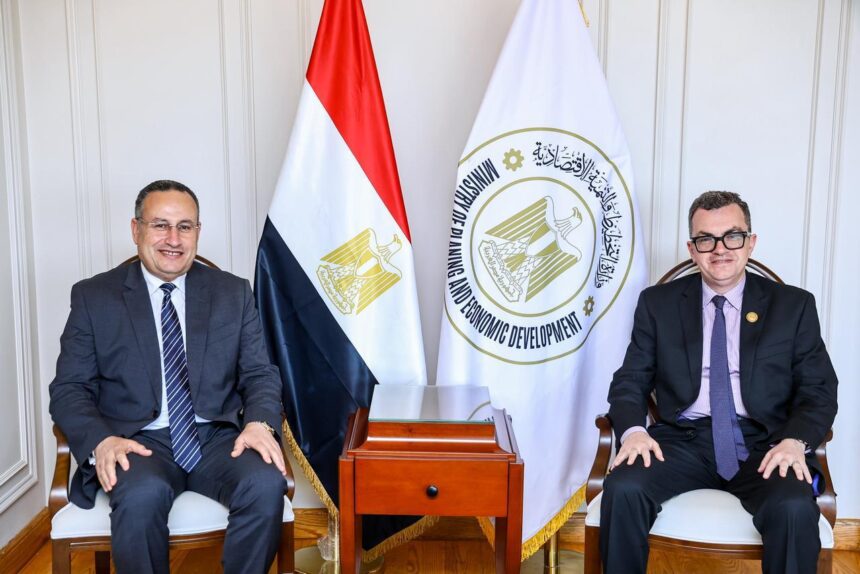
Ahmed Rostom, Minister of Planning and Economic Development, met with Abdel Aziz Konsowa, Minister of Higher Education and Scientific Research, to discuss ways to enhance coordination in developing Egypt’s innovation and entrepreneurship ecosystem.
The meeting aimed to support joint efforts between the two ministries and their affiliated entities to encourage researchers and entrepreneurs at Egyptian universities and help transform innovative ideas into viable businesses that contribute to the country’s development agenda. The discussions were held within the framework of the Ministerial Group for Entrepreneurship, chaired by Hussein Eissa, with the goal of enhancing the competitiveness of the Egyptian economy.
Rostom stressed the government’s commitment to providing all the support necessary to advance the higher education and scientific research system. He noted that this has been reflected in increased allocations for the sector in the development plan for the next fiscal year.
Furthermore, he added that the meeting comes in light of directives issued by Prime Minister Mostafa Madbouly to develop a comprehensive roadmap for supporting start-ups by harnessing the significant potential of Egyptian youth and the market’s ability to attract venture capital investment.
Rostom explained that the government is working on several integrated initiatives in cooperation with national entities, including establishing an Entrepreneurship Unit under the Cabinet, launching a dedicated fund to finance start-ups, activating the role of the Egypt Entrepreneurship and Innovation Centre, and leveraging NI Capital, the investment arm of the National Investment Bank, to provide the required financing.
He added that the ministry is exploring opportunities for coordination with the Innovators and Geniuses Care Fund at the Ministry of Higher Education and NI Capital to support research conducted by students and graduates. This will help create new generations of start-ups capable of developing innovative solutions to development challenges and enable them to grow into medium-sized and large enterprises.
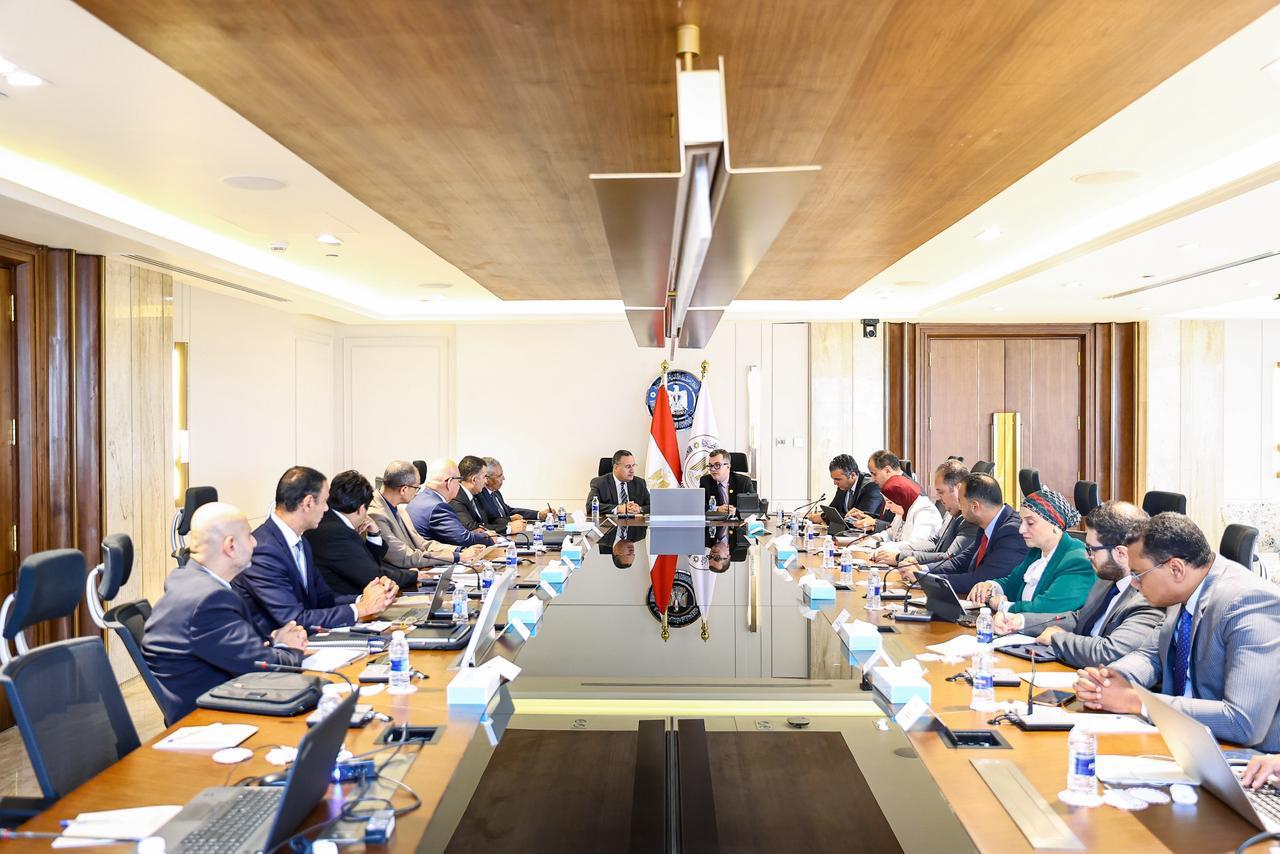
Konsowa said that the constructive cooperation with the Ministry of Planning reflects the integration of state institutions in supporting the transition towards a knowledge-based economy, developing human capital and aligning educational outcomes with labour market needs.
He explained that the ministry’s technical bodies, including the Academy of Scientific Research and Technology, the Science, Technology and Innovation Funding Authority, and the Innovators and Geniuses Care Fund, work in an integrated manner to link scientific research outputs with the national economy.
Konsowa added that the ministry’s strategy focuses on linking education with industry and production by expanding partnerships with government institutions and the private sector. He also revealed plans to link academic promotions for university staff to applied contributions and cooperation with the industrial sector.
The Higher Education Minister noted that cooperation with the Ministry of Planning and the National Investment Bank will provide sustainable financing mechanisms for technology projects while strengthening the role of the Innovators and Geniuses Care Fund.
Amr El Abd, Adviser to the Prime Minister for Entrepreneurship, highlighted the significant opportunities that could result from encouraging university-based start-ups and providing them with financing. He noted that enhanced government coordination would help create companies capable of attracting investment and making an effective contribution to the national economy.
At the end of the meeting, the two ministers instructed their technical teams to maintain close coordination in order to expedite the development of an institutional framework for financing start-ups.


