Egyptian actor Ahmed Hatem continues to establish a distinctive presence in the Egyptian film industry with his latest feature, Red Flag, which opened in cinemas on 9 September across Egypt, Saudi Arabia and several other Arab markets.
Blending social comedy with an exploration of the complexities of romantic and marital relationships, the film takes its title from the now widely recognised concept of “red flags” — behaviours, patterns and warning signs that can undermine trust and ultimately reshape the dynamics of a relationship.
The film marks Hatem’s second collaboration with actress Gamila Awad, following their successful pairing in “Arousty,” and also brings him together with veteran actor Sherif Mounir. Beyond the screen, “Red Flag” has generated considerable attention through an inventive promotional campaign, particularly a series of tongue-in-cheek videos inspired by the contradictions and everyday tensions of married life, most notably the “Go Back to Your Father’s House” clips.
In an exclusive conversation, Ahmed Hatem reflects on the making of Red Flag, the appeal of playing a character unlike those he has previously portrayed, his creative rapport with Gamila Awad and Sherif Mounir, his recent association with comedy, and the projects he is currently preparing.
How would you describe your experience with Red Flag now that audiences have had the opportunity to see it?
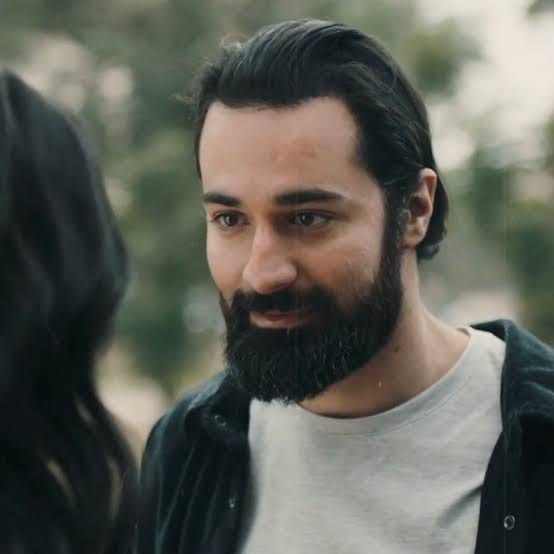
Red Flag represents a genuinely different experience for me, whether in terms of its narrative, subject matter or the character I portray. The film examines the warning signs that can emerge within romantic and marital relationships, but approaches them through social comedy. That distinctiveness was one of the main reasons I was drawn to the project in the first place.
What, in particular, drew you to the film’s central concept, especially as the expression “red flag” has become such a familiar part of everyday language?
The premise is inherently relatable because every relationship can involve behaviours that make you pause and question whether what you are experiencing is healthy or acceptable.
The film explores behaviours that may constitute genuine red flags — dishonesty, selfishness, infidelity, neglect, or any repeated behaviour that causes emotional harm to the other person.
At the same time, I don’t believe every disagreement or difficulty within a relationship should automatically be labelled a red flag. It becomes more serious when someone deliberately does something that hurts you, knows the impact it has on you, and nevertheless chooses to repeat it.
You play a pilot, while Gamila Awad plays the manager of an advertising company. What made this particular character appealing to you?
The character represents unfamiliar territory for me in many respects, and that was precisely what excited me about taking it on. The story follows a married couple whose relationship is placed under considerable strain by doubt, a breakdown of trust and jealousy, with those tensions gradually surfacing through a succession of comic situations.
Reuniting with Gamila Awad for the second time, following Arousseti, was equally rewarding. There is a genuine creative understanding between us, and I feel very comfortable whenever we share a project. I would certainly welcome another opportunity to work together.
The film’s promotional campaign has attracted considerable attention, particularly the “Go Back to Your Father’s House” videos. How did that concept originate?
The idea came from Khaled Gohar, who was overseeing the promotional campaign. He suggested that I create a series of humorous videos built around satirical observations and tongue-in-cheek advice about relationships and married life.
I immediately liked the concept and we began developing it, but I honestly never anticipated that it would gain the level of traction it eventually achieved. The audience responded remarkably well, particularly women. Approximately 81% of the followers were women, which encouraged us to continue producing the videos.
I felt it was an unconventional and effective way of introducing the film to audiences, and I was genuinely pleased by the response. As a gesture of appreciation for the extraordinary support, I also organised a women-only screening on 6 October, which was attended by approximately 600 women.
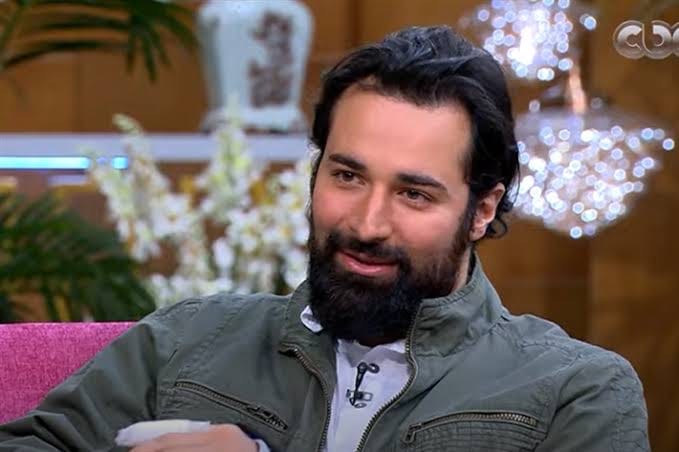
You also appeared with the cast on “With Mona El Shazly”, where you discussed the film’s reference point and its connection to the atmosphere of “Elzoga 13”. How important was that reference during the development of the film?
The idea originated around two years ago, and the film’s creative reference point was, to some extent, reminiscent of the atmosphere of “Elzoga 13”. We are certainly not attempting to draw a direct comparison with such an iconic film; rather, it belongs to a similar cinematic tradition of examining marital relationships through comedy.
I’m also particularly pleased that Sherif Mounir agreed to join the cast. I was genuinely delighted when he accepted the role. His presence added considerably to the film, and he delivered a performance that I found genuinely impressive.
You have appeared in a number of comedy projects recently. Was that a conscious career choice?
Not really. It was less a deliberate strategy than a natural consequence of the projects that happened to come my way. What matters to me, however, is that the comedies I have undertaken recently have been distinctive in their subject matter, characters and overall approach to the genre.
I genuinely enjoy comedy, and I’m always interested in finding intelligent, well-crafted comedic projects. At the same time, maintaining artistic variety is extremely important to me. I don’t want to repeat myself. I believe an actor should continually challenge himself by inhabiting different characters and exploring unfamiliar experiences.
You also starred in “El Kalam Ala Eh”, which enjoyed a strong run during the summer season. What did that experience mean to you?
It was a film with a very different premise and tone. At its heart, it presents a positive perspective on marriage while acknowledging the difficulties and complications that relationships inevitably encounter.
The character was also new territory for me in many respects, and I’m very pleased with the response the film received, both in Egypt and across several Arab markets.
What are you currently working on, and what can audiences expect from you next?
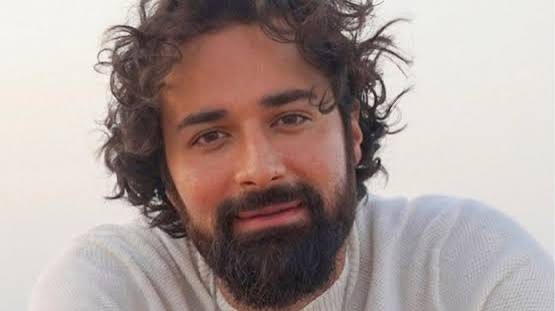
I’m currently continuing production on the series “Al Anad”, alongside Maram Ali, Ola Roshdy, Emad Rashad and a number of other talented performers.
It is a 15-episode social romantic drama, written by Ahmed Adel and directed by Ahmed Adel Salama. I’m playing a character that differs considerably from the roles I have portrayed previously, while the subject itself takes me into territory I haven’t explored before. That sense of discovery was one of the principal attractions of the project.
There are also several new film projects currently in development. I hope they will take me in directions that are markedly different from my recent work and allow me to continue expanding my range and exploring characters I have not previously had the opportunity to play.
Finally, what would you like audiences to take away from Red Flag?
I hope audiences enjoy the film and connect with it as deeply as I have. I believe both its subject matter and the way it has been presented distinguish it from many of the films currently on release.
Ultimately, I hope the story, together with the particular cinematic framework through which it is told, will engage audiences, entertain them and perhaps even encourage them to reflect on some of the relationships and behaviours they encounter in their own lives.