

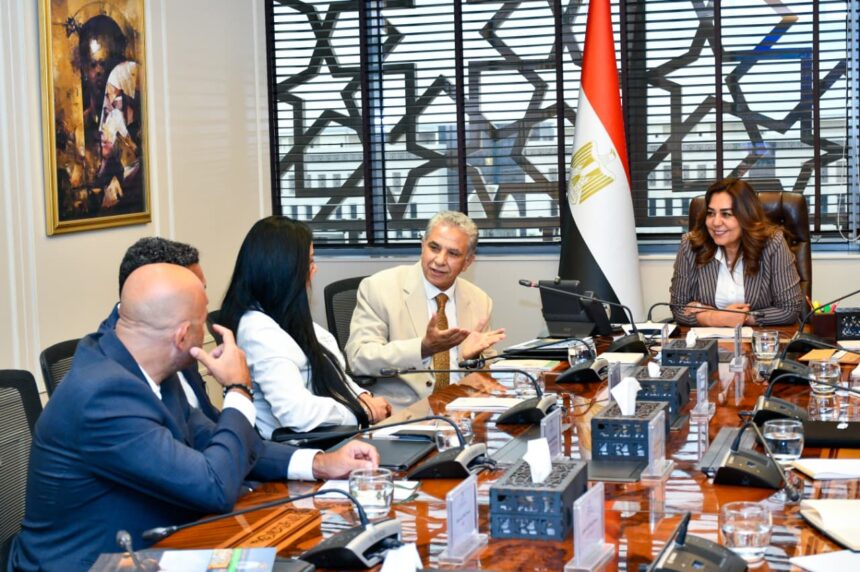
Egypt is studying a comprehensive plan to develop the Blue Hole diving site within the Abu Galum Protected Area in South Sinai while safeguarding its fragile marine ecosystem, according to the Ministry of Local Development and Environment.
Minister of Local Development and Environment Manal Awad reviewed the proposed plan during a meeting with officials from the Arab Region and Europe Environment and Development Centre (CEDARE) and representatives of an environmental consultancy firm.
Awad described the Blue Hole as one of Egypt’s most valuable natural assets and one of the world’s leading diving destinations, stressing that protecting the site while promoting sustainable tourism remains a national priority.
According to the ministry, the Blue Hole attracts more than 110,000 visitors annually for scuba diving, freediving, and snorkelling activities.
Consultants participating in the meeting noted that the area is home to more than 300 coral species and serves as an important scientific reference site for marine research. They added that the site also plays a significant role in supporting local livelihoods and employment opportunities in South Sinai.
Discussions focused on the environmental and infrastructure challenges facing the site, as well as a proposed long-term development strategy aimed at protecting marine biodiversity, reducing pollution, regulating tourism activities, and improving visitor services.
The proposed plan is based on four main pillars: reorganising the Blue Hole area and protecting environmentally sensitive zones, upgrading visitor facilities, regulating marine activities, and strengthening site management and monitoring systems.
The strategy also seeks to ease tourism pressure on the Blue Hole by developing alternative attractions within the Abu Galum Protected Area and introducing management measures for the nearby Canyon diving site, another popular destination in the region.
Additional proposals include regulating visitor numbers in line with the site’s environmental carrying capacity, expanding environmental awareness programmes, improving waste management systems, introducing electronic monitoring technologies, and enhancing safety standards for marine activities.
The plan further calls for the implementation of long-term environmental monitoring programmes to assess the health of coral reefs and measure the impact of tourism and other human activities on the ecosystem.
Awad emphasised the importance of involving local communities in the development process and creating green employment opportunities, describing the initiative as part of Egypt’s broader strategy to protect natural resources while strengthening its position as a leading destination for ecotourism and adventure tourism.
She also directed relevant authorities to prepare an implementation timeline and expedite the environmental and technical studies required for the Blue Hole project, alongside broader development efforts within the Abu Galum Protected Area.


