Global energy markets are bracing for a severe supply shock that threatens to fuel inflation and deal a significant blow to economic growth, following US President Donald Trump’s decision to enforce a naval blockade on the Strait of Hormuz.
The impending blockade shifts market focus sharply towards downside risks, according to a Bloomberg Economics forecast. Analysts project an automatic 8% surge in global oil prices as the roughly two million barrels per day (bpd) currently flowing through the strait during wartime—predominantly Iranian crude—is reduced to zero. In peacetime, the strait handles approximately 20 million bpd, or 20% of global supply.
The economic fallout could worsen significantly if the conflict widens. Bloomberg Economics warns that if Iran retaliates by targeting alternative oil pipelines and routes established by Saudi Arabia and the United Arab Emirates, the global market could lose an additional 5% to 7% of its supply, triggering a much steeper price shock.
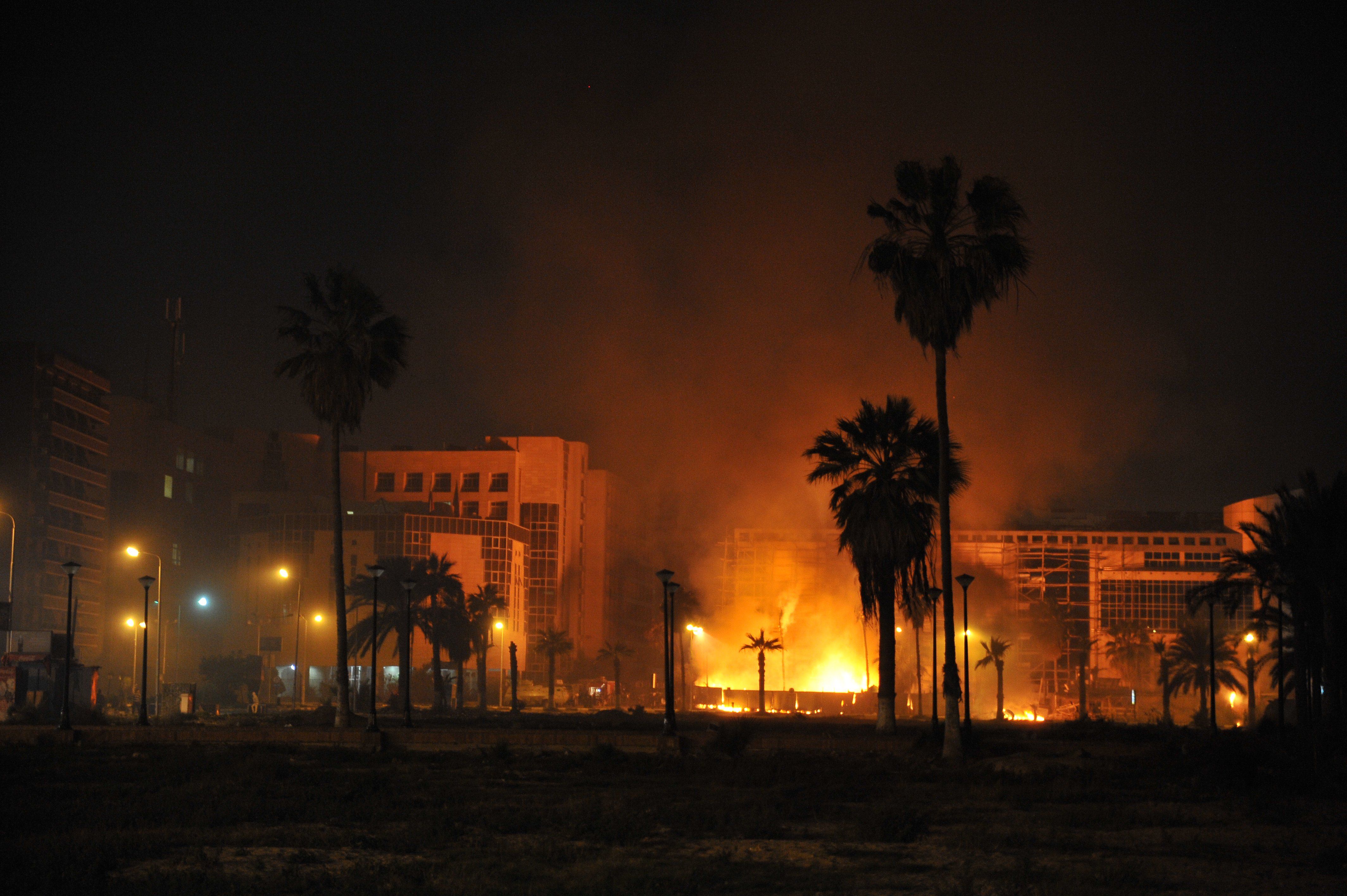
The disruption threatens to shatter a two-week ceasefire declared on April 8 and severely reduces the prospects of a diplomatic resolution following the collapse of peace talks in Islamabad. Tehran is expected to treat the blockade—scheduled to begin at 10:00 a.m. Eastern Daylight Time on April 13, 2026—as an act of war. Anticipated geopolitical consequences include a resumption of Iranian attacks on regional energy infrastructure and potential moves by Houthi militants to disrupt Red Sea shipping, just as Saudi Arabia announced the resumption of its oil exports through the waterway.
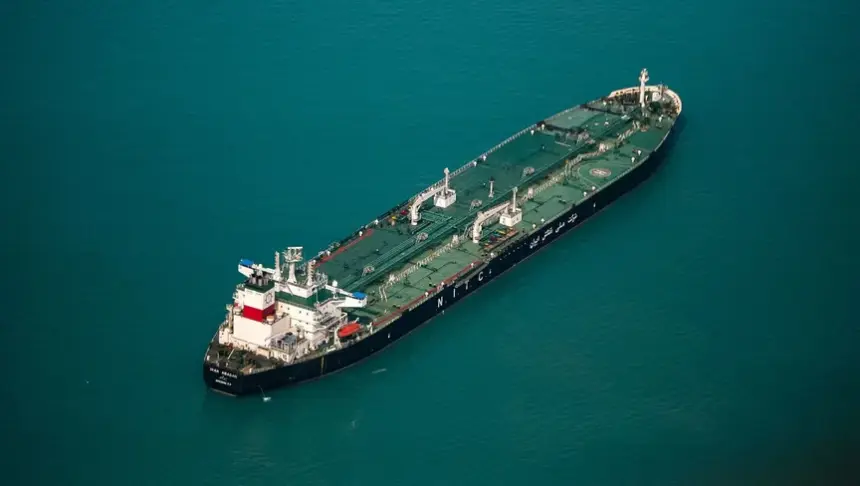
The blockade’s ripple effects will strike global trade immediately, halting Iranian-linked tankers currently navigating the strait. This includes three Very Large Crude Carriers—one Greek and two Chinese—and a product tanker that recently departed for China, posing a direct economic blow to Beijing ahead of a scheduled visit by Trump in May. China, which imports 80% of Iran’s oil, is expected to strongly oppose the measure and may leverage its dominance over critical mineral supply chains to pressure Washington.
Bloomberg Economics assesses Trump’s blockade as an “escalate to de-escalate” tactic intended to force Iranian concessions amid mounting domestic pressure to end the war. However, the operation carries substantial military costs and risks. The mission will heavily drain US air defence, intelligence, surveillance, and reconnaissance assets. To enforce the blockade, US warships will be exposed to close-range drone and missile threats, while evading mines could force vessels closer to the Iranian coast, potentially prompting limited US strikes to neutralise land-based threats. Nonetheless, the blockade is still viewed as less risky than rumoured ground operations, such as seizing Kharg Island.
The diplomatic fallout is expected to isolate the US effort. European nations, including the UK, France, and Spain, are likely to refuse participation due to domestic political costs and risks to their fleets, stating they will only help enforce freedom of navigation after a permanent ceasefire is secured. Gulf Arab states are also expected to abstain, with the possible exception of the UAE, which may offer a token naval presence via a French frigate or air support to reaffirm its US partnership.
Ultimately, the significant military risks and anticipated pressure from global stakeholders suggest the US may struggle to sustain the blockade. Nevertheless, Bloomberg Economics concludes that the threat alone elevates the risk of miscalculation, shrinks the space for diplomacy, and aligns with a baseline scenario of further escalation before the conflict settles into a low-intensity war.