Egypt’s non-oil exports climbed to $12.2 billion in the third quarter of 2025, marking a 19.6% increase compared to the same period a year earlier, according to a government report.
The growth in exports, combined with a slight decline in imports, helped narrow the country’s non-oil trade deficit by 20% year-on-year to $8.4 billion. Imports edged down marginally to $20.6 billion, compared to $20.7 billion in Q3 2024.
On a quarterly basis, exports also rose by 8% from $11.3 billion in Q2 2025, reflecting continued momentum in Egypt’s export performance.
In terms of key export categories, natural and cultured pearls and precious stones led the list, with exports reaching $2.4 billion. Electrical machinery and equipment followed at $847.1 million, while fertilizers ranked third at $630.8 million. Food preparations also saw strong growth, more than doubling year-on-year.
However, some sectors recorded declines, including plastics, iron and steel, and essential oils and perfumes.
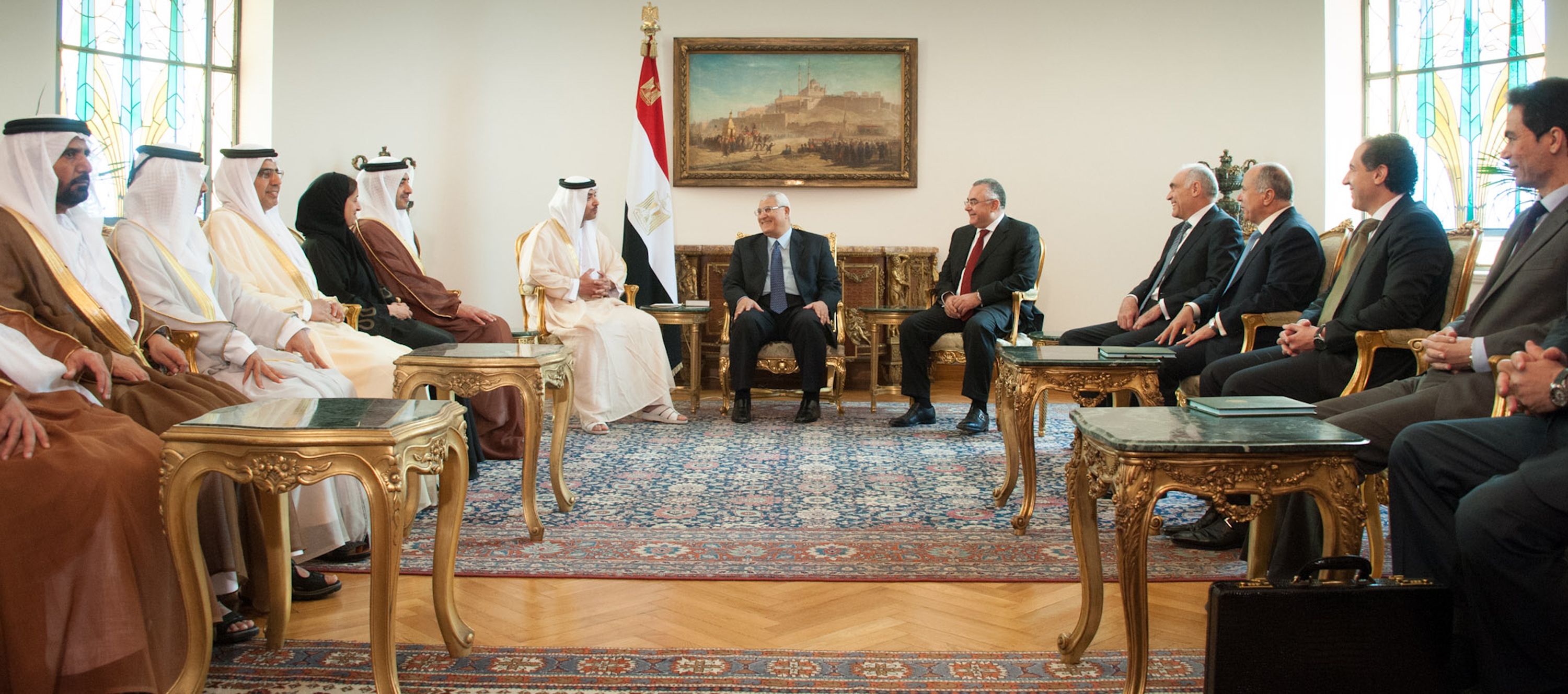
The United Arab Emirates remained Egypt’s largest export market, accounting for $2.1 billion, or 17.2% of total non-oil exports. Saudi Arabia and Turkey followed as key destinations.
China retained its position as Egypt’s largest trading partner, with total trade reaching $5.2 billion, but also represented the country’s largest trade deficit.
Despite this, Egypt recorded trade surpluses with 92 countries, led by the UAE, highlighting improving export diversification and stronger external demand.