Ongoing geopolitical tensions and conflicts across the Middle East are reshaping regional investment flows, with capital increasingly shifting toward markets perceived as more stable and resilient. In this evolving landscape, Egypt’s real estate sector is gaining traction as a relative safe haven, supported by strong underlying demand, demographic growth, and continued urban expansion.
Despite external pressures on costs and financing, the sector’s fundamentals, particularly in residential and mixed-use developments, continue to position it as an attractive destination for investors seeking stability and long-term returns amid uncertainty.
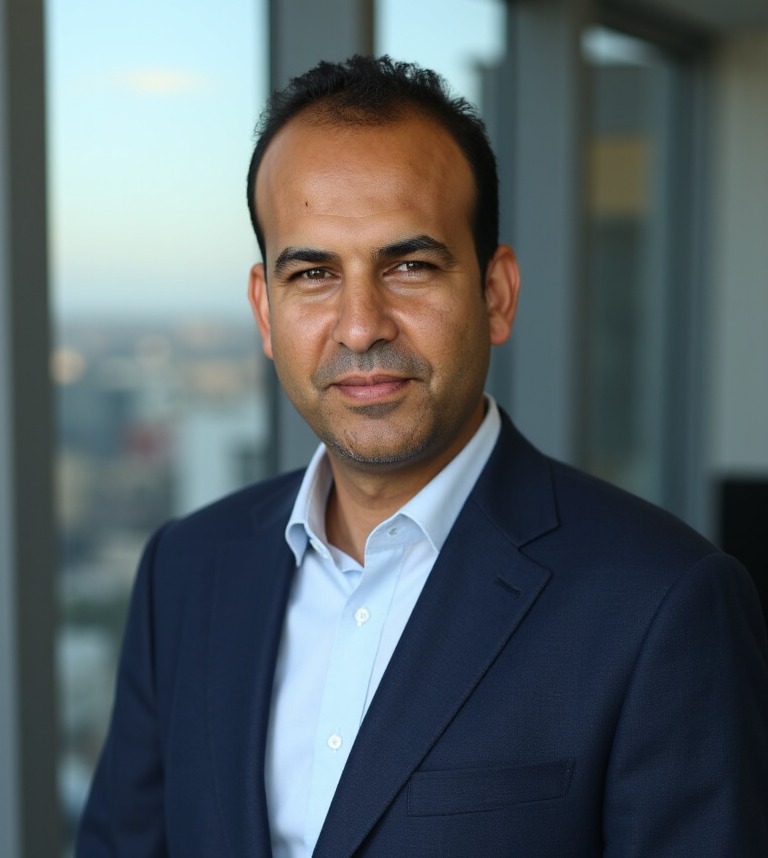
Hany Farag, Chairperson of Deyaar for Construction and Development, said regional tensions are redrawing the investment map, channeling capital toward more transparent and demand-driven markets. He noted that Egypt is emerging as a key beneficiary, underpinned by its large population base and resilient real estate demand.
Farag highlighted a noticeable rise in demand for rental properties, particularly in major cities and newly developed urban communities. This trend is enhancing investment yields and reinforcing real estate’s position as a preferred asset class that offers both value preservation and recurring income streams.
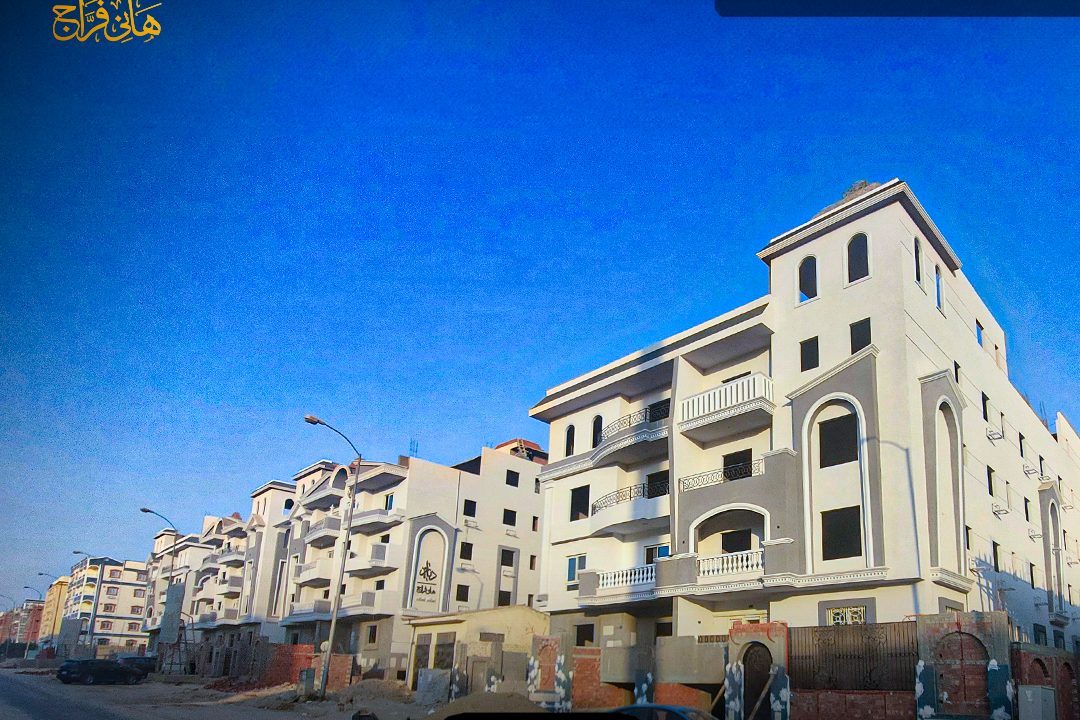
However, he cautioned that geopolitical pressures are also driving up development costs. Higher energy prices, increased shipping expenses, and rising raw material costs are placing additional strain on developers, creating new operational challenges across the sector.
As a result, purchasing decisions are becoming more complex, requiring greater diligence and market awareness from both buyers and investors.
Farag emphasized that the current environment is elevating the importance of developer credibility and track record. “A developer’s name is no longer just a marketing tool,” he said, noting that it has become a critical factor in safeguarding investments and ensuring timely project delivery. Investors, he added, are increasingly prioritizing companies with proven execution capabilities and consistent performance.
Despite these headwinds, Farag maintained that real estate continues to provide a sense of stability during periods of uncertainty. As a tangible, need-driven asset, it retains its appeal over the medium to long term, making it a dependable option for investors seeking both security and sustainable returns.