

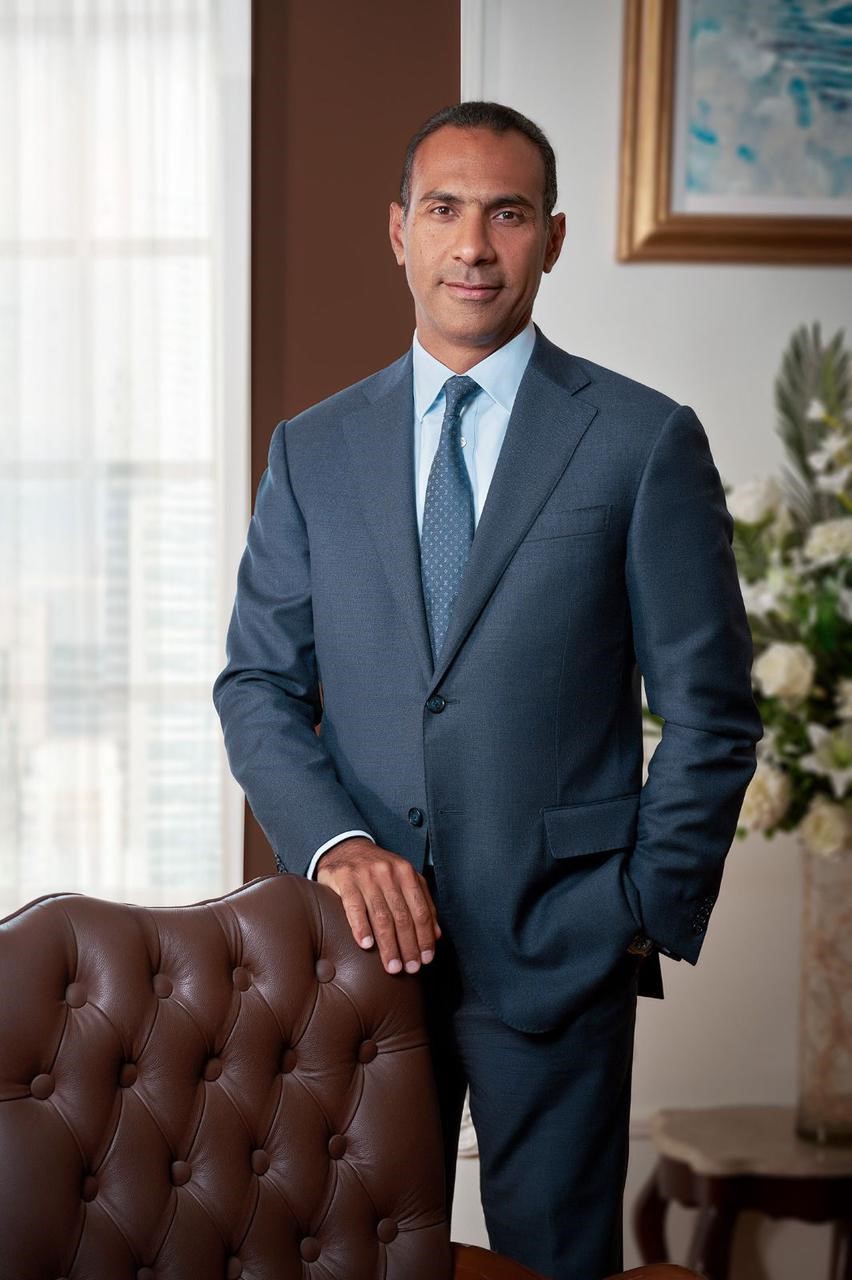
The ordinary general assembly of Suez Canal Bank, chaired by Amr Tantawy, Chairperson of the Board, approved the bank’s financial statements for the fiscal year 2025, in the presence of Chief Executive Officer and Managing Director Akef El-Maghraby, board members, and shareholders.
Tantawy said the bank’s 2025 results reflect the strength and resilience of its financial position, as well as the success of its strategy in achieving balanced and sustainable growth across its various business segments. He expressed confidence in the executive management team’s ability to build on these results and deliver further achievements in the coming period.
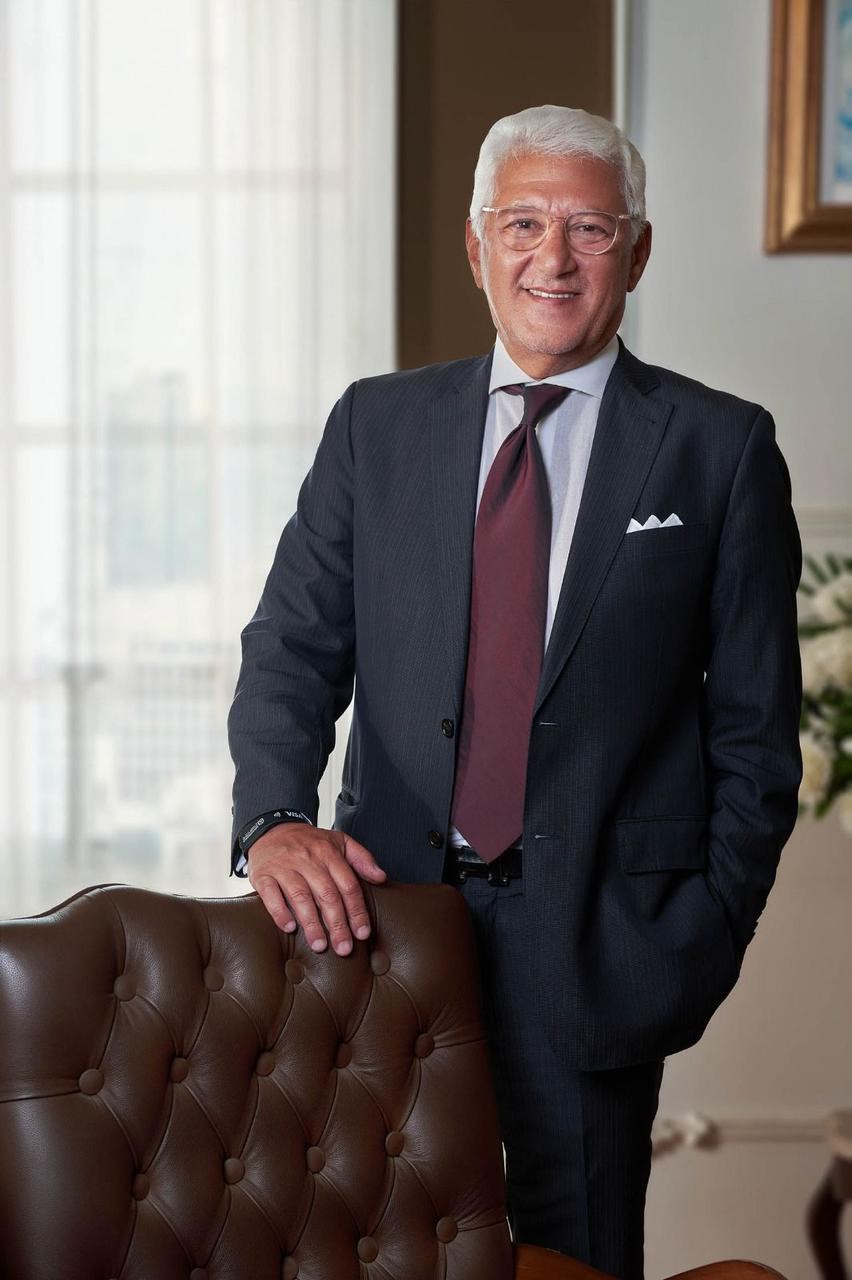
El-Maghraby said the bank’s strong performance during 2025 underscores the scale of efforts exerted across all sectors, as well as the effectiveness of the strategy implemented over recent years. He reaffirmed confidence in the bank’s ability to maintain its expansion and growth trajectory, further strengthening its position within the Egyptian banking market.
The General Assembly expressed full support for the bank’s strategy in the coming phase, which focuses on continued development of banking services, expansion of the customer base, acceleration of digital transformation, and reinforcement of governance and sound management practices. It also voiced confidence in the bank’s ability to sustain strong performance in 2026.
Strong financial performance
Suez Canal Bank recorded robust growth across key financial indicators in 2025. Net profit rose to EGP 6.4bn, compared to EGP 5.7bn in 2024, marking a 13% increase, supported by a 56% surge in net interest income to EGP 8.6bn from EGP 5.5bn.
The bank’s total financial position expanded by 50% to EGP 270bn in 2025, up from EGP 180bn, driven by a 54% increase in customer deposits, which reached EGP 209bn compared to EGP 135bn.
The loans and facilities portfolio grew by 63% to EGP 122bn, up from EGP 75bn. Corporate loans rose by 60% to EGP 112bn, while the retail portfolio recorded particularly strong growth of 114%, reaching EGP 11.4bn compared to EGP 5.3bn.
Expansion in corporate finance
The bank strengthened its role in financing key economic sectors, with its direct loan portfolio exceeding EGP 115bn, reflecting a 56% growth rate. This expansion was driven by increased financing directed towards infrastructure, manufacturing, energy, tourism, and fintech sectors.
Corporate deposits rose sharply to over EGP 172bn, up by 50%, supported by the acquisition of around 160 new clients and the execution of several syndicated and structured financing transactions aimed at supporting national projects and private sector expansion.
Suez Canal Bank further reinforced its presence in the syndicated loans and structured finance market, leading eight transactions worth approximately EGP 14.5bn, including three structured deals valued at nearly EGP 3.1bn. Its total portfolio in this segment reached EGP 22.7bn, distributed across 42 transactions.
The bank also executed its first portfolio acquisition valued at EGP 2bn and established strategic partnerships with fintech companies to enhance its service offerings.
On the international front, the bank established a dedicated office to serve Chinese companies in cooperation with the TEDA zone, and signed a memorandum of understanding with China’s CIPS payment system to facilitate renminbi clearing and support cross-border transactions.
Growth in international banking and trade finance
The bank achieved strong growth in cash management, trade finance, and corporate banking services, supported by accelerated digital transformation and continued investment in technological infrastructure.
Digital adoption rose significantly to 24%, compared to around 3% in the previous year, while digital usage increased to approximately 69%, up from 44%. This growth was driven by expanded internet banking services, payments and collections, higher automation levels, and enhanced government payment services.
Cash management revenues increased by 51%, import finance grew by 84%, and export finance rose by 40%, alongside a 58% increase in letters of guarantee. Total commissions recorded a strong 74.5% increase.
Diversifying income sources and capital markets activity
The bank continued to expand its activities in fixed income instruments, investment management, and capital markets, achieving a 163% year-on-year growth in transaction volumes.
It also introduced advanced risk management solutions for corporate clients, including hedging instruments against currency fluctuations and interest rate derivatives, helping companies manage risks and enhance financial stability.
Continued support for SMEs
Suez Canal Bank maintained its focus on supporting small and medium-sized enterprises (SMEs) as a key pillar of economic growth.
The bank developed an integrated framework to serve the sector, including tailored financing products, simplified procedures, and expanded geographical outreach to improve access to banking services.
As part of its digital transformation efforts, the bank launched the “Click” platform, an innovative digital financing solution that enables SMEs to obtain financing through automated processes, contributing to faster credit approvals and improved customer experience.
It is also working on launching a Corporate Mobile Application to provide corporate and SME clients with secure, efficient digital banking services and enhanced account management capabilities.
Strengthening international partnerships
The bank continued to strengthen its relationships with international financial institutions and secure development financing. It obtained $50m from the International Finance Corporation (IFC) to support renewable energy and infrastructure projects, in addition to $10m dedicated to trade finance.
It also secured $25m from the European Bank for Reconstruction and Development (EBRD) to support entrepreneurship and women-led businesses, alongside an additional $25m facility for trade finance.
Expanding retail banking
The retail banking segment recorded strong growth in 2025, with the individual financing portfolio increasing by 114% and retail deposits rising by 77%, while the customer base expanded by 23%.
The credit card portfolio grew by 86%, and ATM transactions increased by 31%.
The bank launched the “Prive” programme under its affluent and private banking services, targeting high-net-worth individuals and business owners, alongside introducing a range of new certificates and financing products. It also rolled out a comprehensive suite of nine new credit card products.
The bank expanded its network to 55 branches and approximately 125 ATMs by December 2025.
Accelerating digital transformation
Suez Canal Bank continued to advance its digital transformation strategy through expanding digital channels, upgrading technological infrastructure, and automating operations, resulting in improved efficiency, service quality, and cybersecurity.
The launch of its mobile application for individuals contributed to reducing reliance on physical branches by 50%. The bank has also begun deploying artificial intelligence technologies to enhance internal processes and accelerate product development.
Sustainable finance and inclusion
The bank continued integrating environmental, social, and governance (ESG) principles into its operations, expanding sustainable financing and supporting projects with positive environmental and social impact.
It also remains committed to advancing financial inclusion in line with the Central Bank of Egypt’s strategy, offering tailored products such as the “Bedaya” account for youth aged 15 and above, facilitating access to banking services for underserved segments, and promoting financial literacy through partnerships with universities and institutions.
Social responsibility
Suez Canal Bank maintained its commitment to corporate social responsibility through initiatives spanning healthcare, education, social solidarity, and economic empowerment.
In 2025, the bank implemented around 12 development initiatives benefiting approximately 3,765 individuals, in addition to broader contributions supporting thousands through national programmes. It also promoted volunteerism among employees through engagement with civil society organisations and hospitals.
Awards and recognition
These efforts were reflected in the bank receiving around 40 international, regional, and local awards in 2025. It advanced six places in the Forbes Middle East rankings and climbed 31 positions in the Financial Times list of Africa’s fastest-growing companies, in addition to receiving six awards for corporate social responsibility.

![“I have met today with [Al-Dostour Party Chairman] Mohamed ElBaradei and [Al-Wafd Party Chairman] El-Sayed El-Badawi to exchange points of view regarding the current political situation,” El-Katatni said (File Photo)(AFP-Photo)](https://www.dailynewsegypt.com/app/uploads/2012/10/2-5-afp-Saad-al-Katatni.jpg)
