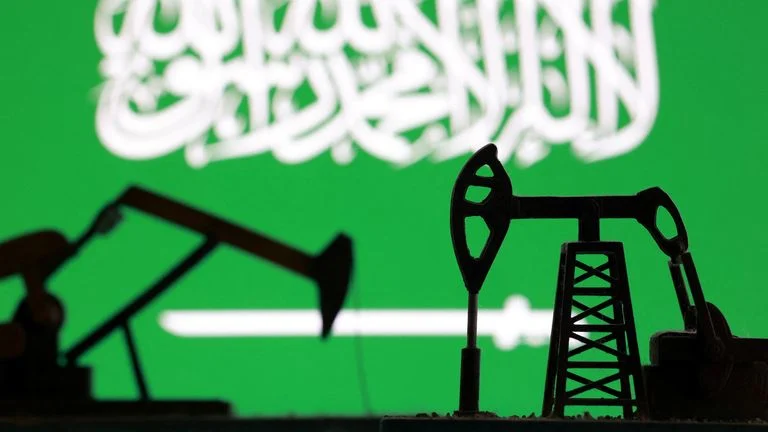
As tensions escalate across the Middle East and the Strait of Hormuz faces effective closure following US and Israeli strikes on Iran, Saudi Arabia has activated a long-standing contingency plan to keep its oil flowing—deploying a decades-old pipeline that is now emerging as a critical lifeline for global energy markets, according to a Bloomberg report.
At the center of this response is the East-West pipeline, a 1,200-kilometer network linking Saudi Arabia’s eastern oil fields to the Red Sea port of Yanbu. Built in the 1980s during the Iran-Iraq war, the pipeline was designed to provide an alternative export route in case of disruptions in the Gulf—precisely the scenario now unfolding.
Rapid response to a worst-case scenario
Within hours of the crisis escalation, Saudi Aramco began rerouting crude shipments through the pipeline, diverting flows away from the Gulf and toward Yanbu. The move has allowed the Kingdom to maintain a significant portion of its exports despite the disruption of one of the world’s most critical النفط shipping routes.
Ship-tracking data cited by Bloomberg shows that crude exports from Yanbu have surged to a five-day rolling average of 3.66 million barrels per day—around half of Saudi Arabia’s pre-crisis export levels. At times, loadings have exceeded 4 million barrels per day as a growing number of tankers gather at the Red Sea port.
A critical release valve for global supply
The activation of the pipeline comes as approximately 20 million barrels per day—about one-fifth of global oil consumption—are typically transported through the Strait of Hormuz. With that route effectively blocked, many producers have been forced to reduce output.
Saudi Arabia’s alternative route has helped ease pressure on global markets. Analysts quoted by Bloomberg described the pipeline as a “strategic masterstroke,” noting that its availability has helped prevent more severe supply disruptions and further price spikes.
Brent crude has already climbed above $110 per barrel, reflecting heightened concerns over supply security amid the ongoing conflict.
Yanbu emerges as a new export hub
The Red Sea port of Yanbu, historically secondary to Saudi Arabia’s Gulf-based export terminals, has rapidly taken center stage. A flotilla of supertankers has assembled off its coast, with more vessels arriving daily as global buyers adjust logistics in response to the الأزمة.
Saudi shipping firm Bahri has reportedly paid as much as $450,000 per day to secure tankers, highlighting the significant costs associated with maintaining export flows under crisis conditions.
Ongoing risks to infrastructure
Despite its strategic importance, the East-West pipeline route remains vulnerable. Bloomberg reported that energy facilities in Yanbu, including the Samref refinery—a joint venture between Aramco and ExxonMobil—have already been targeted in recent attacks.
Additionally, shipments from Yanbu must still navigate the Bab el-Mandeb Strait, another key chokepoint that has experienced security threats in recent years.
A shift in regional energy strategy
The current الأزمة is likely to accelerate efforts across the region to diversify export routes and reduce reliance on the Strait of Hormuz. Countries including Oman and the United Arab Emirates are already investing in alternative infrastructure, though these routes also face geopolitical and security challenges.
A test of long-term planning
For Saudi Arabia, the situation highlights the importance of strategic foresight. What was once considered a backup option has become central to the Kingdom’s ability to navigate one of the most significant energy crises in recent years.
As Bloomberg notes, the East-West pipeline may now play a sustained role in global oil supply dynamics, offering a crucial buffer against geopolitical shocks in one of the world’s most volatile energy regions.