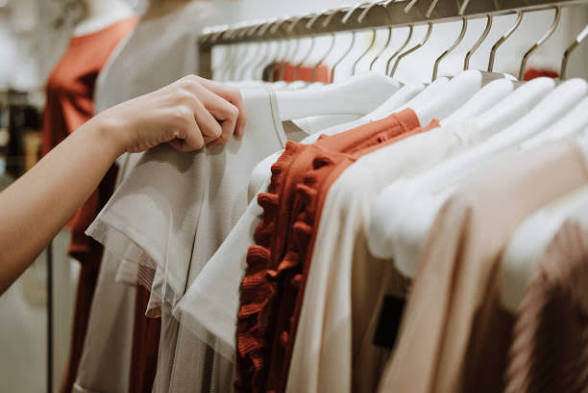
Egypt’s ready-made garments sector recorded solid growth at the start of 2026, with exports rising by 11% year-on-year in January, according to the Apparel Export Council of Egypt (AECE).
Export shipments reached $299m in January 2026, compared with $270m in the same month of 2025, reflecting continued momentum in one of the country’s key industrial sectors.
Fadel Marzouk, Chairperson of the AECE, attributed the increase to robust global demand and the improving competitiveness of Egyptian ready-made garments. He also highlighted ongoing efforts to diversify export markets and enhance overall sector performance.
Marzouk noted that manufacturers are currently operating at full available capacity, while continuing to upgrade production processes through the use of higher-quality inputs and more environmentally sustainable practices. These include the adoption of circular economy principles aimed at supporting long-term export growth.
He described the garments industry as a cornerstone of Egypt’s economy, employing around 1.7 million people and maintaining steady annual growth for the third consecutive year. The sector is targeting total exports of $4.4bn by the end of 2026, supported by new investments expected to further strengthen production and export capabilities.
Exports to major markets recorded notable gains during the month. Shipments to the United States rose by 16% to $118m, up from $102m a year earlier, while exports to European Union countries increased by 26% to $132m, compared with $105m in January 2025.
Marzouk added that the council continues to coordinate closely with government entities, including the Ministry of Investment and Foreign Trade, as well as the ministries of finance and industry, to sustain the sector’s positive export trajectory.
Looking ahead, the council aims to boost exports by 22-25% annually over the next five years, targeting $12bn by 2031. However, Marzouk cautioned that ongoing geopolitical tensions in the Middle East could pose challenges to production and export targets in the near term, prompting closer coordination with relevant authorities to mitigate potential risks.