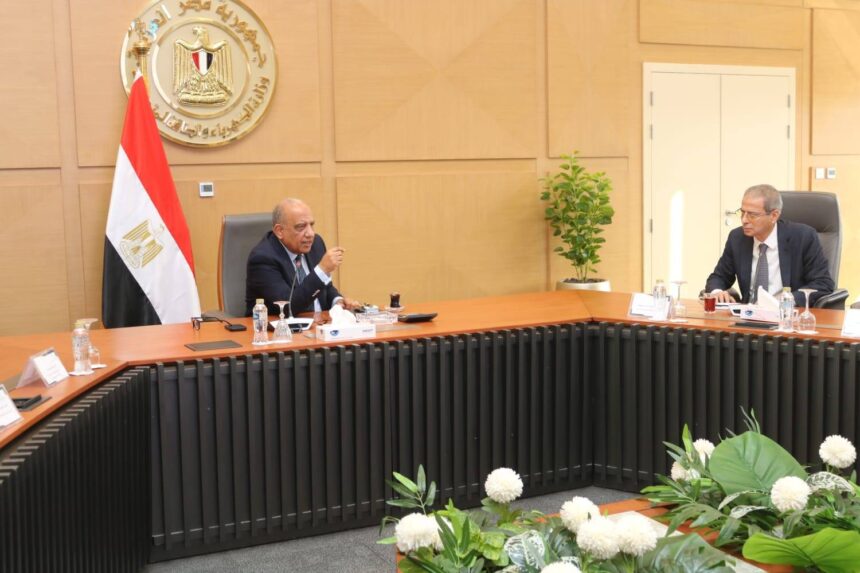
Egypt’s Minister of Electricity and Renewable Energy, Mahmoud Esmat, held a high-level meeting with heads of power generation companies to review summer preparedness measures, new operating patterns and efforts to reduce fuel consumption rates ahead of the peak demand season.
According to a statement issued by the Ministry of Electricity and Renewable Energy, the meeting forms part of a broader plan to enhance operational performance across affiliated companies, apply economic dispatch standards, maximise returns on each unit of fuel consumed and ensure compliance with international benchmarks for quality, occupational safety and environmental protection.
During the meeting, Esmat reviewed key performance indicators for each generation company, progress in implementing operational plans, unit readiness levels and emergency response frameworks. Discussions also addressed procedures for bringing generation units online and offline in a manner that ensures optimal efficiency and stability across the unified national grid.
The minister followed up on the scheduled addition of 300 megawatts from hydroelectric plants, which are expected to be integrated into the grid by the end of the current month. He also reviewed measures to address technical faults, ongoing maintenance and overhaul schedules, and mechanisms for strengthening coordination and information exchange among generation companies when dealing with outages.
Esmat stressed the importance of continuing efforts to rationalise fuel consumption, enhance production quality and improve the overall efficiency of power plants. He directed the intensification of field inspection and technical review committees across all stations, while calling for the acceleration of preparations to meet anticipated increases in electricity demand during the summer months.
He further emphasised the need for daily monitoring of unified grid reinforcement projects and generation plans aimed at reducing fuel usage. Strengthening proactive maintenance systems to prevent breakdowns, integrating maintenance schedules with spare parts inventory systems and expanding specialised staff training programmes were also highlighted as priorities.
The minister underscored the activation of fault investigation committees, as well as strict adherence to occupational safety and health standards and quality control mechanisms to ensure safe, reliable and economically efficient operations.
Esmat affirmed that improving operational performance, maximising returns on fuel used in electricity generation and upgrading service standards remain key performance benchmarks at all levels of the sector. He noted that the ministry continues to implement its strategy for the economic operation of the national grid, enhance environmental performance through energy efficiency and decarbonisation initiatives, and expand reliance on clean and renewable energy sources in line with Egypt’s broader energy transition agenda.
He concluded by stressing the importance of continuously reviewing and adjusting operating plans to optimise fuel efficiency, while maintaining full compliance with international occupational safety, health and industrial security standards to safeguard the stability and secure operation of the unified national grid.