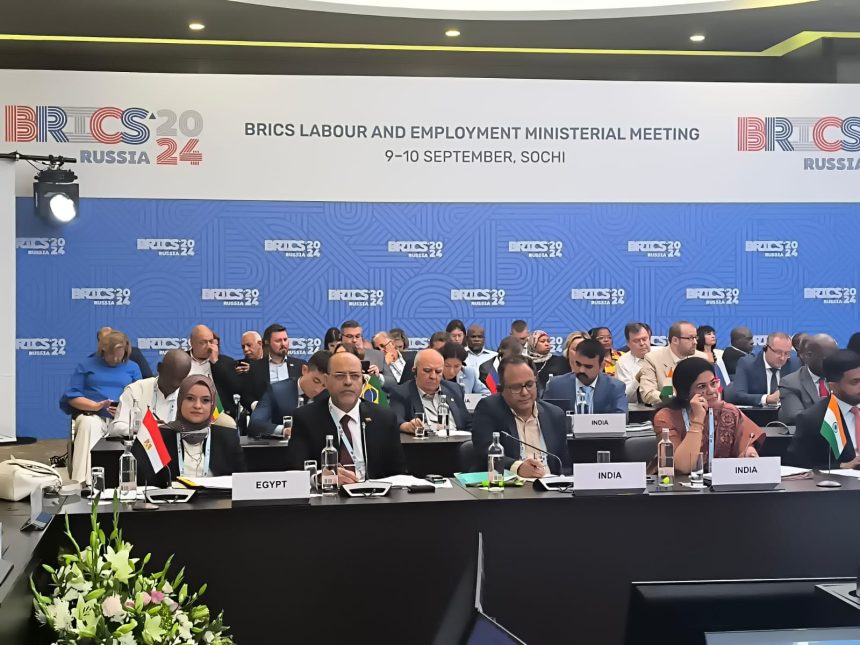
Egypt has called for greater cooperation within the BRICS group to develop vocational training and lifelong learning programmes, emphasising the importance of these initiatives for human capital development.
Speaking at the 10th BRICS Labour and Employment Ministers’ Meeting in Sochi, Russia, on Monday, Egyptian Minister of Labour Mohamed Gobran highlighted his country’s focus on building a skilled workforce and ensuring a sustainable future.
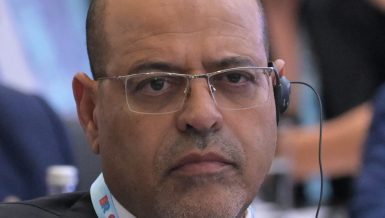
“Egypt is working to implement a ‘training for employment’ policy,” Gobran said in his address titled “Developing a Vocational Guidance System and Lifelong Technical Education.”
“The challenges we face today demand a comprehensive vocational guidance system that responds to demographic diversity and the skills required by the labour market,” he added.
Gobran also pointed to Egypt’s commitment to human capital development as a core priority. “Egypt places human capital development at the forefront of its priorities,” he stated, noting that the second key objective of the government’s action plan is to build the Egyptian citizen and enhance their well-being.
He outlined Egypt’s efforts to address unemployment through the development of educational, guidance, and vocational training programmes, aligning these initiatives with the demands of both domestic and international labour markets. Gobran also highlighted the government’s initiatives to modernise the labour ministry’s services, including the digitization of procedures for obtaining skill level certificates and work licences, and the integration of these services into the “Digital Egypt” platform.
During his address, Gobran proposed a number of recommendations for collaborative action within the BRICS group. He highlighted the need for bilateral and multilateral cooperation to exchange expertise, including establishing partnerships in various industries and sectors, bringing together experts and academics to provide guidance on skills needs and future labour market trends, and updating training curricula. He also emphasised the importance of recognizing BRICS-certified qualifications, integrating technology such as artificial intelligence into training methodologies, establishing a comprehensive vocational guidance system, fostering partnerships between educational institutions and industries, launching community awareness campaigns to emphasise the value of skilled labour, leveraging online learning platforms to provide easily accessible, updated, and flexible training content, and encouraging individuals to pursue continuous learning and skills development through short courses, workshops, and practical training opportunities.
This meeting marks the first gathering of labour ministers since Egypt, the UAE, Iran and Ethiopia joined the BRICS group. Gobran will continue to participate in the event over the next two days.