The Cabinet Media Centre has highlighted key industrial investment opportunities and advantages across Upper Egypt, including infrastructure and logistics, investment incentives and efforts to develop skilled workers, which it said are strengthening the region’s ability to attract investment, expand industrial activity and create jobs.
The centre said efforts to promote industrial development in Upper Egypt form part of the state’s drive to achieve balanced and sustainable development across the governorates and make greater use of the region’s economic and human resources, helping transform Upper Egypt into an attractive destination for industrial investment, increase production and employment, and improve living standards.
The Upper Egypt Development Authority was established in 2018 as a public service authority tasked with achieving sustainable development across all Upper Egyptian governorates. It has completed around 43 projects, with another 20 currently under implementation.
The centre highlighted several factors supporting Upper Egypt’s attractiveness to local and foreign investors, including logistics infrastructure comprising 10 ready-to-operate industrial complexes and a number of strategic ports and crossings, including Safaga, Hurghada and the Argeen land crossing.
It also pointed to the availability of skilled workers, supported by five technological universities: Beni Suef Technological University, New Assiut Technological University, International Technological University in Fayoum, International Technological University in Assiut and International Technological University in Thebes.
On investment incentives, the centre highlighted a number of measures available to investors, including a tax deduction equivalent to 50% of investment costs and a reduced customs duty of 2% on machinery and equipment.
Other incentives include customs exemptions for moulds and production inputs temporarily imported and subsequently re-exported, as well as the allocation of industrial land at reduced prices or under usufruct arrangements, with exemptions of up to 10 years.
The incentives also include financial support for exporting manufacturers, faster licensing procedures and support for workforce training.
The centre said Upper Egypt has emerged as a new destination for foreign investment, highlighting several major international industrial projects in the region.
These include Samsung’s electronics manufacturing complex in Beni Suef, with total investments of $700m, and the Obelisk solar energy project in Qena, with investments totalling EGP 30bn.
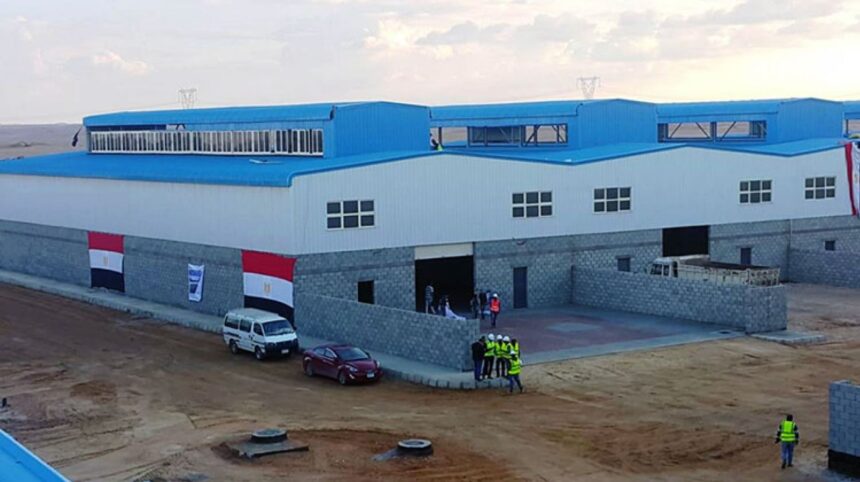
Other projects include Japanese company Yazaki’s automotive wiring harness factory in Fayoum, with investments of €26.7m; a Nokia production line in partnership with SICO in Assiut, with investments of $20m; and the Swiss Cotton Garments Company factory in Beni Suef, with total investments of $15.4m.
The centre added that industrial development efforts in Upper Egypt have coincided with a 7.7% decline in the region’s unemployment rate, which fell to 4.6% in 2025 from 12.3% in 2014, reflecting the impact of expanding economic and investment activity on job creation.