At the heart of Egypt’s cultural landscape, a growing controversy is unfolding; one that extends far beyond contracts and professional negotiations to the very core of the relationship between creativity and commercial exploitation. Public performance rights (PPR), enshrined in Egypt’s Intellectual Property Rights Protection Law No. 82 of 2002 for more than two decades, have once again moved to the forefront following action by the Senate and artistic unions’ announcement that they are beginning to activate these rights. The Chamber of Cinema Industry in Egypt, however, has rejected any obligation to adopt standardized contracts or impose additional financial burdens on producers.
The debate is not merely about payments made when a film or television series is rebroadcast. It concerns the dignity of creators, the continuity of their income after they have ceased active professional work, and the future of an industry that increasingly relies on the repeated exploitation of older works through satellite channels and digital platforms. At a time when the market is facing mounting economic pressures and sharply rising production costs, striking a balance between protecting creators’ rights and safeguarding the industry’s stability has become the central challenge facing all stakeholders.
Legal and Historical Background
Public performance rights, as defined under Article 138 and the subsequent provisions of Law No. 82 of 2002, encompass any act that makes a work available to the public in any form, whether through performance, recitation, musical presentation, broadcasting, public exhibition, or audiovisual media. These rights form part of the economic exploitation rights granted to holders of neighbouring rights, including performers—actors, singers, instrumentalists, and dancers—as well as authors, screenwriters, directors, and composers of film scores in audiovisual works. Such economic rights generally remain protected for fifty years from the date of the performance or recording, while moral rights remain perpetual and non-transferable.
Egypt has long been internationally committed to this framework through its accession to the Berne Convention for the Protection of Literary and Artistic Works and its membership in the World Trade Organization. In the music sector, these rights have been effectively enforced for decades through the Society of Authors, Composers and Music Publishers of Egypt (SACERAU), which collects royalties generated by the reuse of musical works in Egypt and abroad before distributing them to their respective rights holders.
In cinema and television drama, however, implementation has remained limited, despite the clarity of the legal provisions. This disparity has led many to describe actors, directors, and screenwriters as “second-class citizens” within an industry they helped build, while their works continue to be commercially exploited for years without generating additional income.
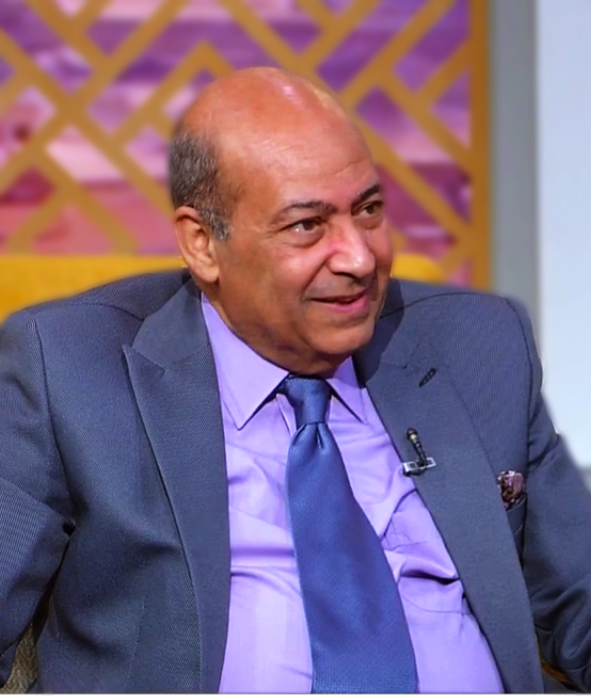
Film critic Tarek El-Shenawy summarises the issue by noting that public performance rights are already implemented in several countries, but Egypt still needs a clear legislative and executive framework defining the beneficiaries and establishing effective mechanisms for collection and distribution. He argues that the issue is complex and requires a specialised legal entity to oversee the process, much as is done in the music sector.
This reflects a legal framework that has evolved over decades, beginning with early efforts to regulate authors’ rights in the 1940s, followed by Law No. 354 of 1954, and ultimately culminating in the current Intellectual Property Rights Protection Law enacted in 2002.
The Legislative Spark
Momentum gathered in May 2026 when actor and Senator Yasser Galal submitted a proposal to the Senate’s Committee on Culture, Information, Tourism and Antiquities calling for the activation of public performance rights in accordance with the existing law.

Galal stressed that the relevant legal provisions had existed for more than two decades but had never been effectively implemented within the audiovisual sector. In June, the Senate approved the proposal during a plenary session and referred the committee’s report to the government for implementation of its recommendations.
Galal described the decision as a legislative affirmation of the entitlement of authors and holders of neighbouring rights, including performers, to receive financial compensation whenever their works are rebroadcast or commercially exploited through cinemas, television and radio channels, and digital platforms.
He said the decision reinforces the protection of both moral and economic rights following extensive legal deliberations.
The Senate’s action did more than advance a parliamentary proposal. It reopened a long-dormant issue and compelled all stakeholders to define their positions clearly.
The Position of Artistic Unions and Associations
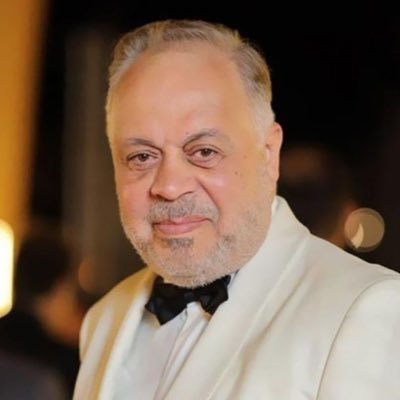
The Actors’ Syndicate, headed by Ashraf Zaki, quickly embraced the initiative. In July 2026, the syndicate announced the start of implementing the relevant legal provisions, describing the move as both a “historic victory” and a “turning point in the history of the profession.”
In an official statement, the syndicate said that activating public performance rights represents the restoration of creators’ dignity and the preservation of hard-won gains achieved through the efforts of successive generations. Zaki called on syndicate members to stand united in defence of their rights, recalling historic moments such as actress Taheyya Kariokka’s sit-in in support of artists.
The syndicate subsequently held a series of meetings attended by leading actors, including Yahya El-Fakharany, Elham Shahin, Laila Eloui, Hala Sedky, Sherif Mounir, and others, alongside directors and writers.
Participants stressed the importance of preserving public performance rights in future contracts while working towards a unified framework that could later be presented to the Chamber of Cinema Industry.
Zaki acknowledged that reaching a consensus would require careful study and extensive discussions to strike a fair balance between rights and obligations.
For his part, screenwriter Ayman Salama, President of the Association of Arab Drama Writers, stressed that public performance rights are not a new concept and that efforts to implement them date back decades.
He explained that both the law and its executive regulations expressly provide for authors and holders of neighbouring rights to receive financial compensation whenever their works are rebroadcast.
Salama added that the Egyptian Intellectual Property Authority is currently preparing Egypt’s tariff framework, drawing on the experiences of countries that have already implemented similar systems, including Morocco.
In a joint statement with the Egyptian Artists’ Sons Association (EASA), headed by Counsellor Mady Tawfik El-Deqqen, the two associations stressed that public performance rights are legally guaranteed to all contributors to a cinematic work. They argued that producers should not bear additional financial burdens and that responsibility should instead rest with the entities exploiting the works, according to revenue-based percentages consistent with international practice.
The Chamber of Cinema Industry’s Position
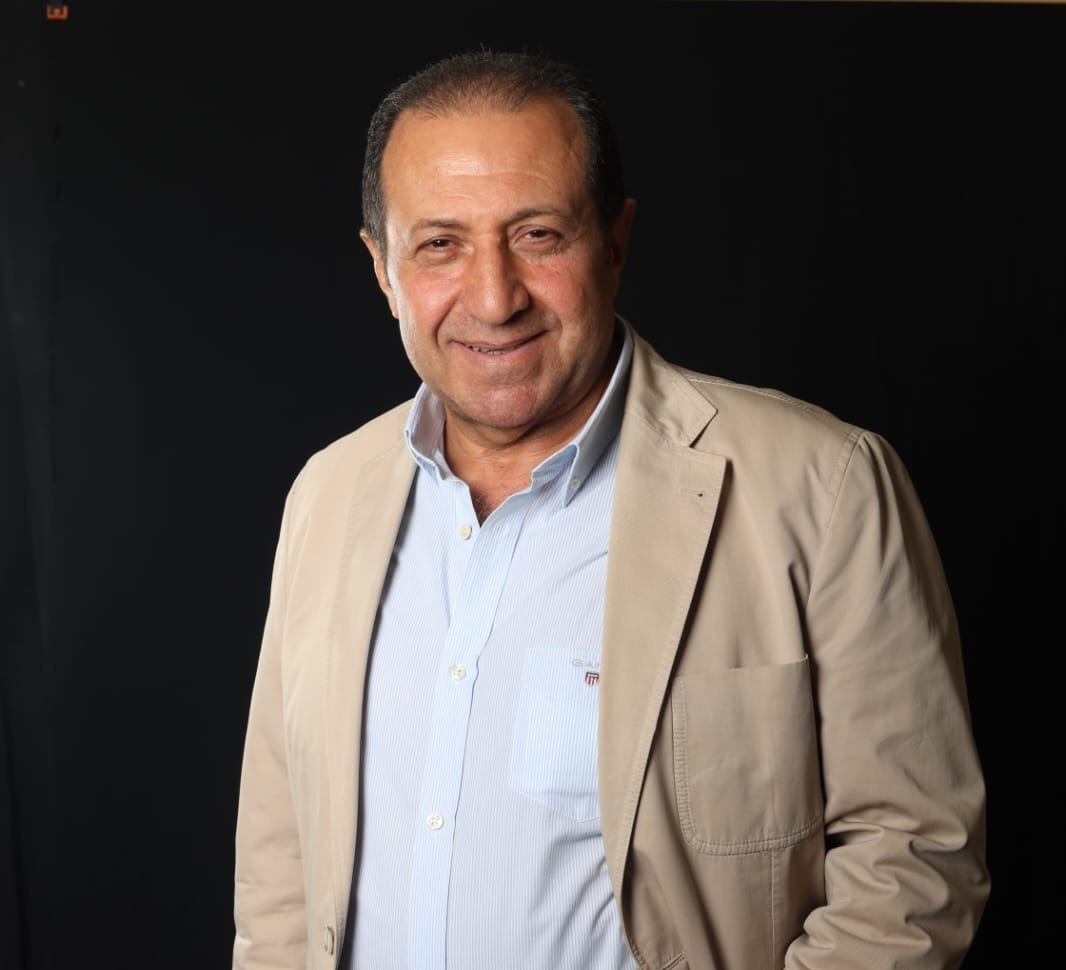
On the other side of the debate, the Chamber of Cinema Industry, headed by producer Hisham Abdel Khalek, issued a statement rejecting this approach following an emergency meeting attended by more than forty producers, including Isad Younis, Ahmed El-Sobky, Gaby Khoury, Tarek El-Ganayni, Mohamed Fawzy, Medhat El-Adl, and others, as well as representatives of satellite television channels.
The Chamber stressed that the Intellectual Property Rights Protection Law neither requires the use of standardized contract templates nor prohibits agreements assigning public performance rights. It argued that these are economic rights that may be transferred or assigned by agreement, unlike moral rights, which cannot be waived or transferred.
It further maintained that producers bear full responsibility for financing and producing a work and therefore hold the right to exploit it throughout the period specified in the contract, including its exhibition and commercial exploitation through all available channels, unless the parties agree otherwise.
According to the Chamber, existing contractual arrangements are based on the legal principle that “the contract is the law of the parties,” meaning that any assignment or waiver of economic rights forms part of the agreed remuneration between the contracting parties.
Regarding previously produced works in which creators did not expressly reserve public performance rights, the Chamber argued that cinemas, digital platforms, and television channels cannot be required to pay additional compensation, citing final and binding rulings issued by the Court of Cassation.
The Chamber also noted that producers already pay the legally prescribed percentages due to professional syndicates, including the statutory 2% levy calculated on the value of contracts concluded with workers engaged in artistic productions. It described these payments as one of the principal sources of income for the syndicates.
At the same time, the Chamber called for taking into account the difficult economic conditions facing the cinema and television drama industries, particularly rising production costs and increasing remuneration for certain artistic professionals. It stressed that preserving the future of the industry requires cooperation among all stakeholders.
Other producers have likewise sought to distinguish between the principle of public performance rights and the practicalities of implementing them. Producer Mohamed Abdel Wahab argued that the dispute is not about recognising the right itself, but rather about the mechanisms for applying it and the importance of involving producers before adopting measures that could affect the sector.
Producer Mohamed Hefzy also called for comprehensive dialogue among all stakeholders, warning that any escalation of the dispute could ultimately harm the industry as a whole.
Who Pays? And How Is the Money Collected?
At the heart of the debate lies a practical question: who should ultimately bear the cost of public performance rights?
Supporters of activating the system argue that the financial responsibility should rest with the entities that commercially exploit the works—such as television broadcasters, digital streaming platforms, and cinemas—which generate direct revenues from advertising, subscriptions, or ticket sales whenever a work is rebroadcast or publicly exhibited. Under this model, production companies would not be expected to shoulder the financial burden.
This is the approach adopted in many international markets, where royalties are collected from broadcasters, streaming platforms, cinemas, and other users through specialised collective management organisations before being distributed to eligible rights holders under transparent collection and distribution mechanisms.
Producers, however, fear that activating the system could ultimately affect the prices at which exploitation rights are acquired or alter the commercial terms of future contracts, particularly at a time when the industry is already grappling with rising production costs and fluctuations in the number of films released during certain seasons.
The question of applying public performance rights to older works also raises complex legal issues. Some judicial rulings have emphasised that creators must have expressly reserved those rights in their original contracts, creating uncertainty over whether retrospective claims can be made in cases where such reservations were absent.
The Economic and International Context
The debate comes at a time when the global entertainment industry is undergoing a profound transformation, with older works enjoying renewed popularity through digital platforms and streaming services.
Increasingly, the future of many entertainment companies is being shaped by the commercial value of the past, as classic films, television series, and musical works continue to generate revenue long after their original release. The repeated exploitation of existing content has become an increasingly important source of income for broadcasters, streaming platforms, and other rights holders.
In Egypt, the industry’s commercial landscape is also evolving. Markets such as Saudi Arabia have created new opportunities for Egyptian films, according to statements by the President of the Chamber of Cinema Industry, making the long-term sustainability of the sector a shared priority for both creators and producers.
Internationally, comparable public performance rights systems operate across Europe, the United States, and several Maghreb countries. These systems are supported by well-established collective management organisations responsible for collecting royalties from broadcasters, cinemas, digital platforms, and other exploitation entities before distributing them to eligible rights holders under transparent tariff structures.
The absence of comparable institutional mechanisms in Egypt is one of the principal reasons why implementing public performance rights has proved challenging. Establishing such a system will require close coordination among the Egyptian Intellectual Property Authority, artistic unions, producers, broadcasters, digital platforms, and other stakeholders to develop clear procedures for collection, distribution, and oversight.
Toward a Balanced Framework: Challenges and Opportunities
Despite the sharp differences between the various parties, there is broad agreement on one fundamental principle: creators should benefit from the continued commercial exploitation of their works. The disagreement lies not in the existence of the right itself, but in how it should be implemented, when it should take effect, and which parties should bear the financial responsibility.
Many observers have therefore called for all stakeholders to engage in comprehensive dialogue aimed at developing a practical and sustainable framework. Among the proposals under discussion are optional model contracts, transparent tariff schedules, and the establishment of a collective management body capable of collecting and distributing royalties fairly while ensuring accountability and transparency.
Ultimately, the real challenge is not whether public performance rights should be recognised—they are already protected under Egyptian law and supported by Egypt’s international commitments—but how to design a system that safeguards creators without undermining investment or discouraging production.
Creators who devote their talent, time, and artistic vision to producing works that continue to generate commercial value deserve to receive an ongoing financial return throughout the period of legal protection. At the same time, producers who assume the financial risks of developing and financing those works require a stable commercial environment that enables continued investment and sustainable production.
Reconciling these two legitimate interests will require cooperation rather than confrontation, and constructive dialogue rather than public escalation.
Egypt’s film and television industry, with its rich heritage and considerable creative potential, now faces an opportunity to modernise its intellectual property framework in a manner that reflects international best practices while addressing the specific realities of the domestic market.
Whether the current debate ultimately becomes a milestone in strengthening creators’ rights or another chapter in a long-running professional dispute will depend on the willingness of lawmakers, producers, artistic unions, broadcasters, digital platforms, and the Egyptian Intellectual Property Authority to reach a balanced and workable compromise.