Egypt’s Ministry of Agriculture is implementing a package of measures to address challenges facing the livestock and poultry sectors, including high feed prices and a reliance on imported inputs, Minister of Agriculture Alaa Farouk announced.
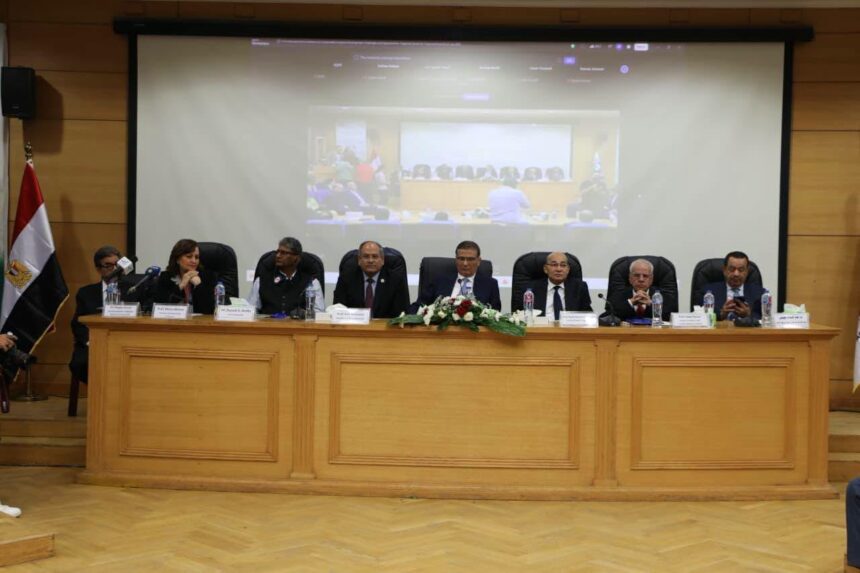
Speaking at the inaugural First International Conference for the Sustainable Development of Livestock, Poultry, and Fish Wealth, Farouk outlined steps to counter sector difficulties, which also include financing and marketing hurdles. The ministry’s measures involve expanding fodder crop production, supporting non-traditional feed alternatives, encouraging local manufacturing, providing soft financing, developing marketing systems, and enhancing extension and digital services.
Farouk noted the conference’s timing is critical due to growing global challenges related to food security, climate change, transboundary diseases, high production costs, and global economic pressures, which require enhanced scientific cooperation and policy development.
Organised by the Agricultural Research Center (ARC) in cooperation with the General Syndicate of Veterinarians, the event features broad private sector participation and gathers local and international researchers to discuss scientific and practical trends.
The state, under President Abdel Fattah El-Sisi, is prioritising the livestock sector to achieve food security through national projects to expand livestock, poultry, and fish production, Farouk said. Efforts include improving breeds, developing veterinary services, supporting small breeders, encouraging investment, and adopting modern technology.
Farouk highlighted that funding for the National Veal Revival Project has exceeded 11.2bn EGP, benefiting more than 46,000 breeders and encompassing approximately 539,000 head of cattle, which has increased the red meat supply and improved breeder incomes.
The minister also emphasised the role of the General Authority for Veterinary Services, the Veterinary Serum and Vaccine Research Institute, and ARC institutes in epidemiological surveillance, early warning, and vaccine production to protect livestock from epidemic and transboundary diseases.
The ministry is focusing on genetic improvement applications, biotechnology, digital transformation, and the use of artificial intelligence in farm management to improve production efficiency and rationalise resources, Farouk added, stressing the importance of linking scientific research with practical application and rapidly transferring research results to farmers.
ARC Head Adel Abdel Azim stated that recent research achievements were supported by the minister’s efforts to enhance cooperation with the private sector. Abdel Azim noted the ARC is keen on effective private sector partnerships, particularly in seed production, to improve agricultural quality and support food security, announcing that the centre will hold an annual conference on this topic.
Magdy Hassan, Head of the General Syndicate of Veterinarians, said that food security is a pillar of national security and that sustainability is a necessity to guarantee the rights of future generations. He described veterinarians as the first line of defence against diseases, maintaining animal health and food safety under the “One Health” concept. Hassan added that the syndicate’s role extends beyond defending members to developing the profession and linking education and scientific research outputs to labour market needs.
The opening session was also attended by former Minister of Agriculture Abdel Moneim El-Banna, former Deputy Minister of Agriculture Mona Mehrez, and various university and ministry leaders.