

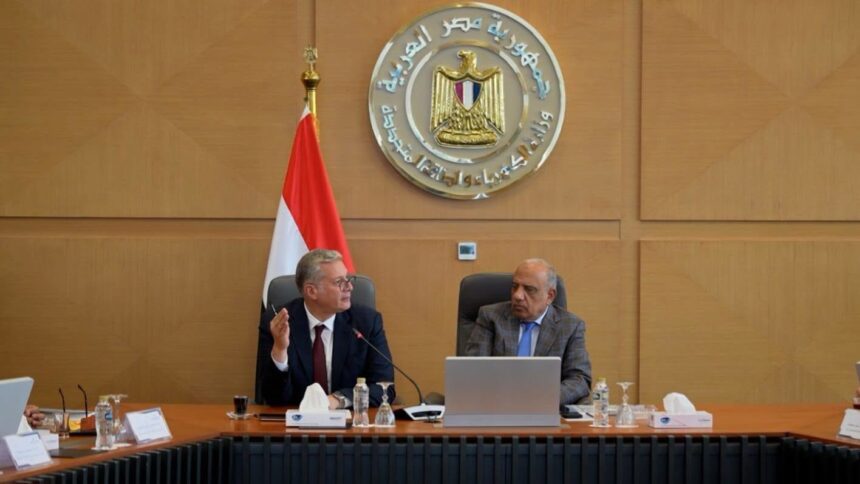
Mahmoud Esmat, Minister of Electricity and Renewable Energy, met with Karim Badawi, Minister of Petroleum and Mineral Resources, to review the joint action plan as part of ongoing preparations to meet the anticipated rise in electricity demand during the current summer. Electricity demand is forecast to increase by around 8% compared with last year, driven by higher consumption and peak loads.
The meeting forms part of the national energy strategy and the joint work programme between the ministries of electricity and petroleum to ensure a reliable, stable and uninterrupted electricity supply across all voltage levels and for all users, in line with the state’s sustainable development objectives.
It also reflects the close coordination between the two ministries to secure the fuel supplies required for power generation, building on the success achieved last summer in managing record electricity demand, which peaked at 40,000 MW, while incorporating the lessons learned from that experience.
During the meeting, the ministers reviewed the joint action plan, alternative scenarios and contingency measures across both the electricity and petroleum sectors to ensure adequate fuel supplies and maintain stable, continuous electricity generation. They also examined preparations to respond to potential developments and changing conditions to safeguard electricity supplies and preserve the stability of the unified national grid during periods of peak demand.
The discussions covered projections indicating that electricity demand this summer could exceed last year’s record peak load—the highest ever recorded on Egypt’s national grid. The ministers also reviewed the work of joint technical committees monitoring future demand to ensure sufficient fuel supplies for power generation in line with the state’s industrial, agricultural and urban development plans.
The meeting further examined the electricity sector’s efforts to improve operational efficiency, increase electricity output from each unit of fuel consumed, reduce conventional fuel consumption, enhance overall performance and energy efficiency, and expand renewable energy capacity through new solar and wind projects. These measures form part of the state’s broader energy transition strategy to increase reliance on renewable energy and reduce fossil fuel consumption.
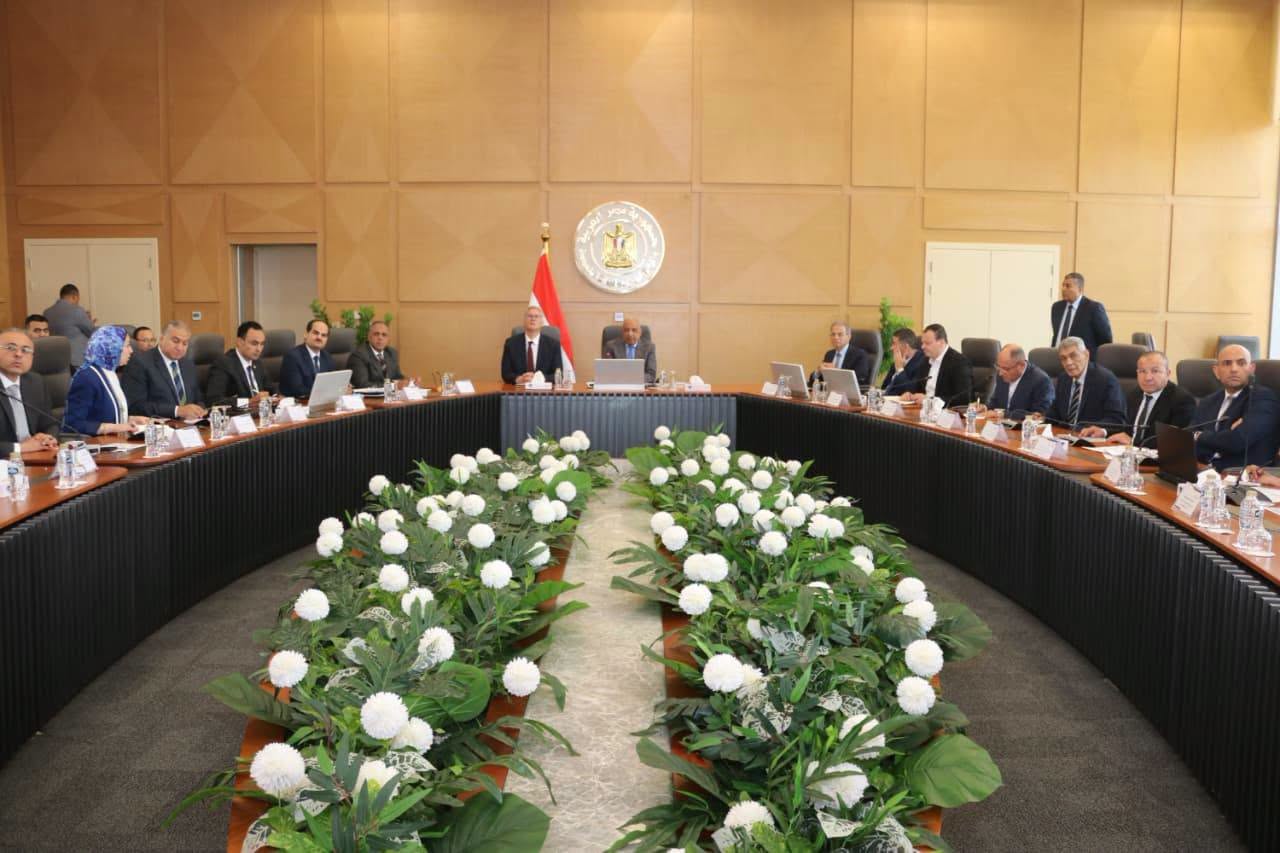
Esmat said there is continuous coordination among all relevant state entities, particularly the ministries of electricity and petroleum, to secure electricity supplies and ensure the sustainability and stability of the national power system.
He said the success achieved last summer, despite record demand and unprecedented electricity loads, was the result of close cooperation among the relevant state institutions. He added that the electricity sector has introduced new operating practices that have reduced fuel consumption to less than 170 grams per kWh, while implementing a programme to connect 2,200 MW of renewable energy capacity and 1,300 MWh of battery energy storage systems to the national grid during the current year.
Esmat praised the ongoing cooperation with the Ministry of Petroleum and Mineral Resources in maintaining the stability and continuity of the unified electricity grid.
He added that the Ministry of Electricity and Renewable Energy is implementing the national energy strategy by diversifying electricity generation sources, expanding the share of renewable energy and maximising its benefits through energy storage technologies, including both co-located and standalone battery storage facilities, to enhance grid stability during periods of peak demand.
He reaffirmed the ministry’s commitment to improving the quality of electricity services, enhancing power generation efficiency, strengthening the operational performance of electricity companies, maintaining stable electricity supplies and meeting growing demand in support of the state’s sustainable development plans.
For his part, Badawi said the Ministry of Petroleum and Mineral Resources is working in full coordination with the Ministry of Electricity and Renewable Energy as one team to implement the state’s plan to secure energy supplies during the summer, maintain grid stability and ensure adequate fuel availability, delivering a safe and stable summer for citizens and all sectors of the economy, building on the success achieved last year.
He added that preparations for this summer began early last year through the implementation of a comprehensive, proactive plan that included developing multiple contingency scenarios and enhancing the flexibility of the energy supply system to ensure the efficient provision of fuel to both the electricity and industrial sectors.
Badawi explained that Egypt’s liquefied natural gas (LNG) import infrastructure is operating efficiently through regasification vessels that receive imported LNG cargoes and convert them into natural gas for direct injection into the national gas grid. The system also benefits from the operational capabilities of the Damietta LNG plant, which stores strategic LNG cargoes for reinjection when required, alongside domestic gas production from Egypt’s fields, creating an integrated and secure system capable of meeting local market demand.


