

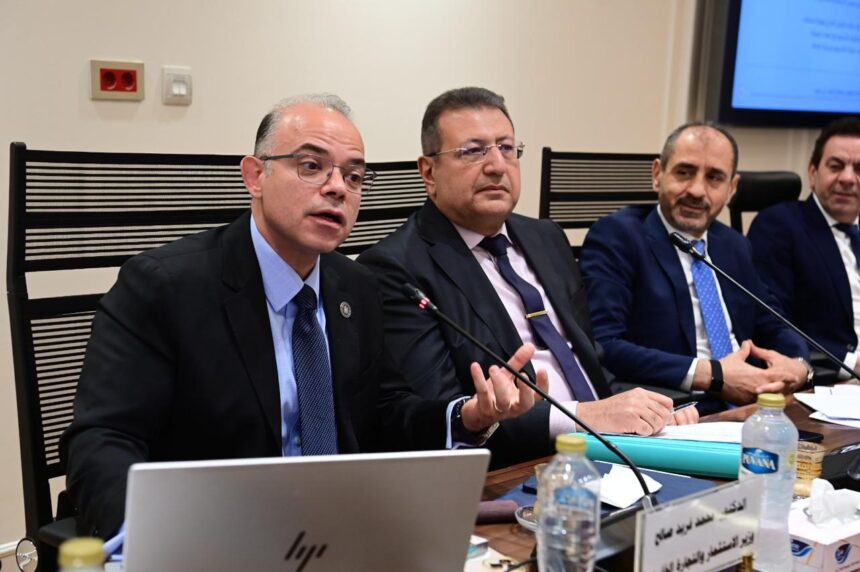
Minister of Investment and Foreign Trade Mohamed Farid said Egypt’s monetary policy has become one of the country’s main competitive advantages for attracting investors, following the government’s handling of recent economic challenges.
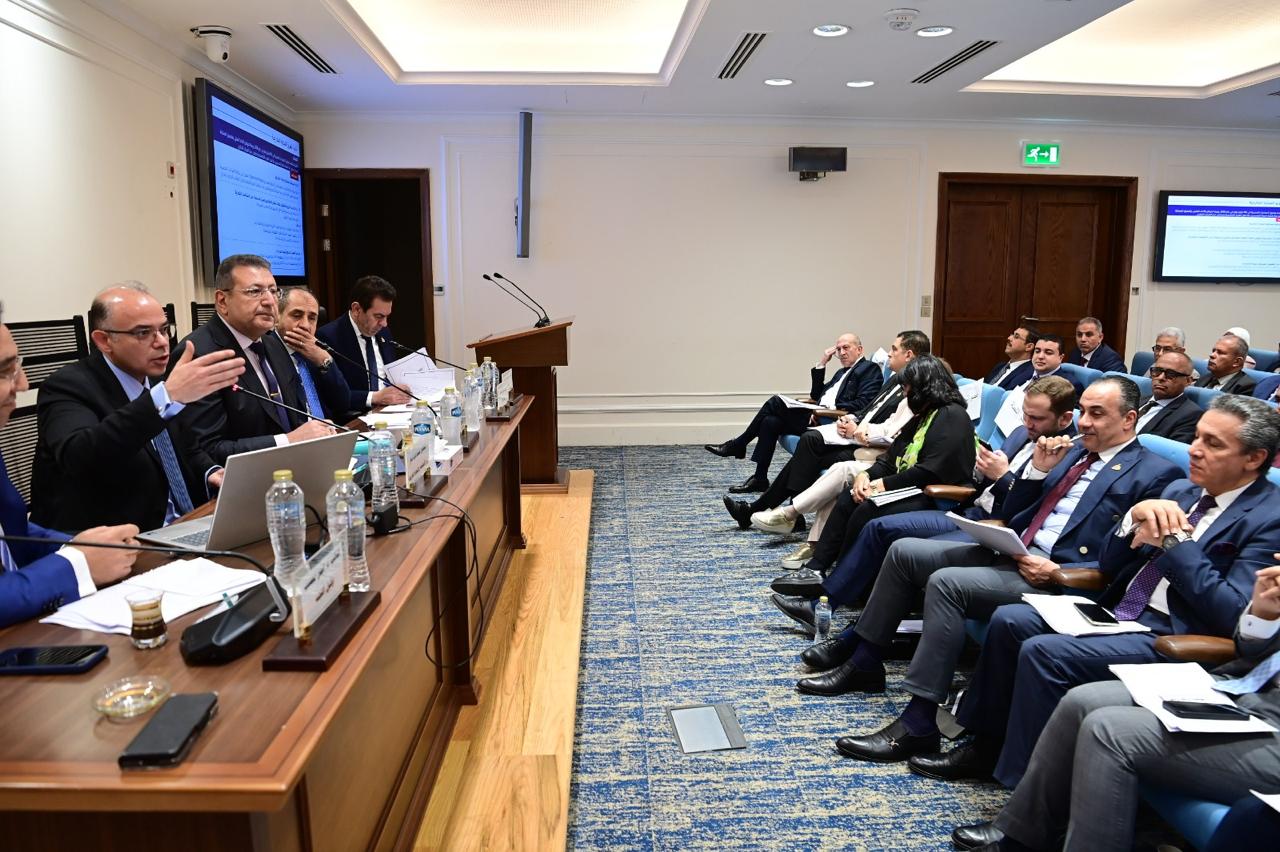
Farid made the remarks during a meeting of the House of Representatives’ economic affairs committee, chaired by Tarek Shoukry, as part of ongoing coordination between the government and parliament on policies aimed at boosting investment, exports and economic growth amid regional and global economic uncertainty.
He said the ministry’s strategy is guided by presidential directives focused on improving the investment climate and enhancing the competitiveness of Egypt’s business environment. These efforts, he noted, are intended to attract productive, value-added investments and support the expansion of Egyptian exports.
Farid said the ministry is implementing a broad package of structural reforms to improve the efficiency of the investment and foreign trade systems, stressing that sustainable transformation requires gradual implementation and cumulative progress rather than immediate results.
“The objective is to build a stable, transparent and efficient business environment capable of converting investment opportunities into operational projects efficiently,” he said, adding that this would strengthen confidence among both domestic and foreign investors.
He explained that the ministry’s strategy is centred on several pillars, most notably improving investment efficiency and modernising the foreign trade system.
Farid added that achieving economic growth rates of 6% would require increasing domestic savings to meet investment financing needs and reduce reliance on external borrowing. He said the ministry supports wider government efforts to raise savings rates as a sustainable source of investment financing.
He also highlighted the Egyptian economy’s sectoral diversity, stressing the importance of preserving and expanding it, while pointing to the growing contribution of private sector investments to total investment in recent years.
According to Farid, the state is also working to localise development by redirecting investments to different governorates in order to achieve balanced regional growth, create jobs and reduce the geographic concentration of investments.
The minister noted that Egypt’s capital market has recorded significant growth over the past four years in terms of investor numbers, trading volumes and youth participation, describing it as one of the most important tools for financing the economy and supporting the private sector.
On investment attraction, Farid said the ministry is pursuing a targeted approach focused on improving the quality of investments while expanding the state’s offering programme, particularly through the planned offering of Misr Life Insurance.
He added that the government is also accelerating licensing procedures, capital increase approvals and the ratification of general assembly minutes to reduce the time required for companies to begin operations, alongside improving post-establishment services.
Farid said the state is working to enhance the performance of the General Authority for Investment and Free Zones by strengthening oversight, inspection and judicial review mechanisms to improve compliance and dispute settlement procedures.
He stressed that digital transformation represents a core pillar of the reform programme through the expansion of electronic identification systems and the creation of a comprehensive economic database to support policymaking using advanced analytical indicators. The ministry is also requiring companies to submit periodic financial statements to improve the accuracy of savings and foreign direct investment data.
Farid added that efforts are underway to simplify accounting and auditing standards, particularly for SMEs, reduce regulatory burdens, expand investment incentives and broaden the application of the golden licence to accelerate the implementation of strategic projects.
On foreign trade, the minister said the government’s strategy aims to strengthen the competitiveness of Egyptian exports through proactive export protection measures based on risk analysis and continuous monitoring of global market indicators.
He said the ministry is also working to strengthen export promotion capabilities, increase participation in international exhibitions and expand digital systems to simplify procedures while reducing costs and processing times.
Farid noted that export and import controls are being strengthened alongside efforts to improve the efficiency of technical laboratories to ensure Egyptian products meet international standards.
He also stressed the importance of strengthening Egypt’s investment branding to improve perceptions of the country as an attractive destination for investment and trade, thereby reinforcing investor confidence.
Farid concluded by reaffirming that the government is continuing to implement a comprehensive economic and institutional reform programme based on gradual implementation, policy integration and sustainability, with the aim of consolidating Egypt’s position as a regional hub for investment and trade.


