The Egyptian Projects Operation and Maintenance (EPROM) recorded the highest net profit in its history at EGP 1.586bn for 2025, marking a 44% increase from EGP 1.096bn the previous year, as the company expanded operations into Nigeria and Iraq, the Ministry of Petroleum and Mineral Resources said.
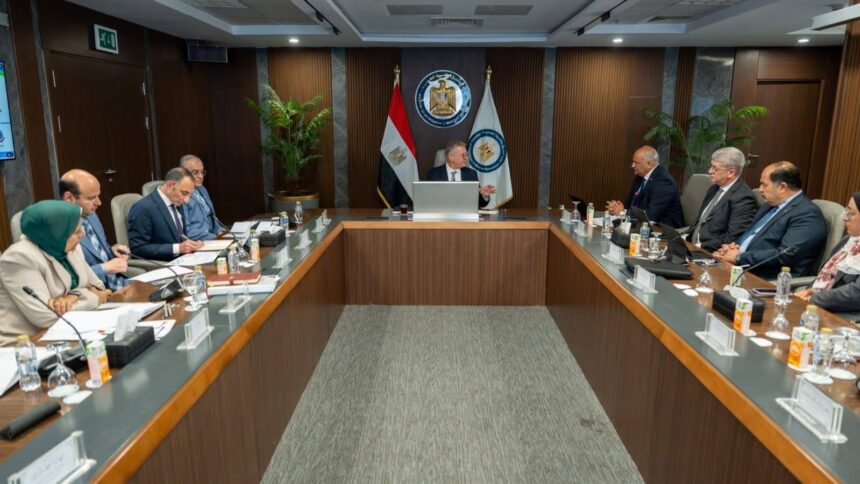
Minister of Petroleum and Mineral Resources Karim Badawi told the company’s general assembly that EPROM’s qualified personnel provide a competitive advantage to support sustainable growth. Badawi directed the creation of a comprehensive training plan encompassing technical and administrative fields, including maintenance planning and artificial intelligence, to prepare staff for domestic and international expansion.
EPROM Chairperson Hossam Asaad Hassanein, presenting the 2025 results, stated the company logged more than 70.1 m safe working hours without injuries.
Operationally, EPROM refined 49.2 million barrels of crude oil and condensates at the MIDOR refinery expansions, executing over 101,000 maintenance orders. This facilitated reaching design capacity and improving product quality to Euro 5 specifications. At the Egyptian Refining Project, operating capacity exceeded the design limit. The company completed a comprehensive overhaul in 34 days, improving operational efficiency and reducing both hydrogen loss and natural gas consumption.
Production at the Meleiha fields maintained capacity, with condensate output increasing by 35% year-on-year. In the petrochemicals sector, production rose at the Estyrenics plant, and ELAB company output exceeded 141,000 tonnes annually, surpassing its 100,000-tonne design capacity.
EPROM executed Egypt’s first operation to load and activate a hydrogen purification reactor at the Assiut Oil Refining Company. The company also provided integrated technical support for the ANOPC diesel production complex in Assiut and conducted training programmes for residents of Upper Egypt. Additional technical support was delivered to AMOC, the Dahshur compressor station serving the national gas grid, and the first phase of the Red Sea Petrochemicals complex.
Within its digital transformation initiatives, EPROM implemented SCADA and LDS projects for the national petroleum transport grid. It established main and regional control centres to improve monitoring and reduce emergency response times, while upgrading digital systems at Petrogas and the Suez Oil Processing Company. Process safety projects were expanded following their implementation at the Suez facility.
Internationally, EPROM operated and maintained the first phase of the Port Harcourt refinery in Nigeria and provided technical support for the Warri refinery in 2025. Operations in Iraq commenced through technical support and specialised labour agreements. The company is targeting new opportunities in the United Arab Emirates, Jordan, Nigeria, Azerbaijan, and other Arab and African nations.
EPROM launched the “EPROM Smart Engine” platform to monitor equipment efficiency, maintenance, leak detection, and carbon footprint calculation. The company executed energy rationalisation and waste energy recovery projects and is evaluating the production of Sustainable Aviation Fuel.
The company provided over 104,000 training hours and launched an integrated job competency management programme. EPROM renewed its management system certificates for quality, energy, environment, and occupational health and safety. Its five-year strategy outlines expansion into foreign markets and the provision of specialised services in renewable energy, biofuels, and fertilisers using innovative technological solutions.