
Prospects for a new round of talks between Iran and the United States are gaining traction, with Islamabad and Geneva under consideration as potential venues, even as international warnings intensify over the conflict’s broader regional and global economic impact.
Iran’s state news agency, Islamic Republic News Agency (IRNA), cited a diplomatic source as saying that message exchanges between Tehran and Islamabad are ongoing, with Pakistan continuing its mediation efforts. However, no final agreement has yet been reached on convening a new round of talks, whether in Islamabad or under an alternative format.
At the same time, Associated Press reported that US officials and a diplomat from a mediating country indicated that Washington and Tehran are considering further engagement, although timing and venue remain unresolved.
According to sources cited by Reuters and the Associated Press, Pakistan has proposed hosting a second round of talks this week, while Geneva has also emerged as a possible location following earlier discussions in Islamabad that ended without a breakthrough but kept communication channels open.
In Tehran, Mohammad Reza Aref criticised remarks by Benjamin Netanyahu, who had said he receives daily briefings from JD Vance, describing the comments as a “structural insult” to the United States, highlighting the increasingly sharp rhetoric between Iran and Israel. There was no immediate US response to Aref’s remarks.
Alongside diplomatic efforts, China has stepped up criticism of Washington, describing the US blockade of Iranian ports as “dangerous and irresponsible” and warning that further military escalation would exacerbate tensions. Beijing called for a return to negotiations and the preservation of stability and freedom of navigation in the Gulf and the Strait of Hormuz.
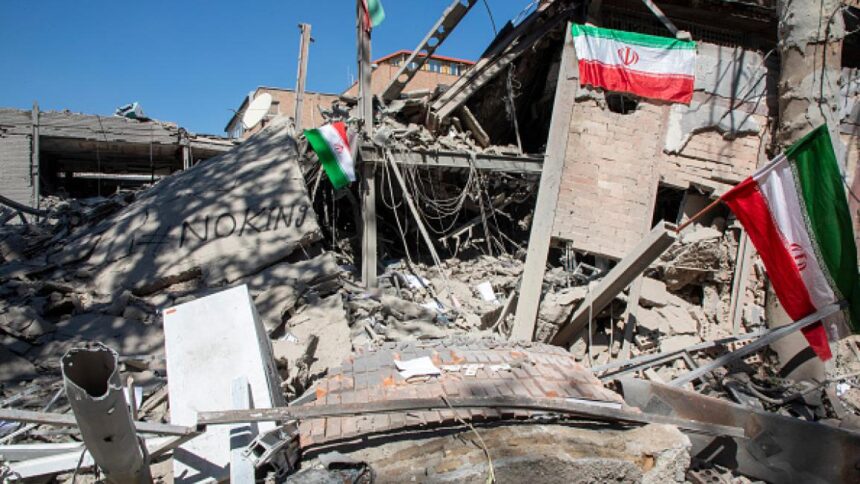
Iranian government spokesperson Fatemeh Mohajerani said preliminary estimates put the country’s war losses at around $270bn, noting the figure remains subject to revision. She added that war reparations are among the issues being pursued by Tehran’s negotiating team.
Reports also indicated that Iran has submitted a letter to the United Nations seeking compensation from Saudi Arabia, Qatar, the United Arab Emirates, Bahrain, and Jordan, alleging their territories were used in US and Israeli operations. There has been no immediate public response from those countries.
Domestically, Mohsen Paknejad said oil sales in recent weeks have been “satisfactory,” adding that exports had continued uninterrupted despite the conflict. He noted that part of the revenue would be allocated to repairing damage to the energy sector, although the scale of exports could not be independently verified.
Meanwhile, Yoav Gallant said Israeli operations had destroyed Iran’s nuclear programme and prevented Tehran from developing a nuclear weapon. He added that the removal of enriched uranium, in coordination with Washington, had become a key condition for ending the military campaign. Neither Israel nor the United States has yet released a comprehensive independent technical assessment to substantiate these claims.