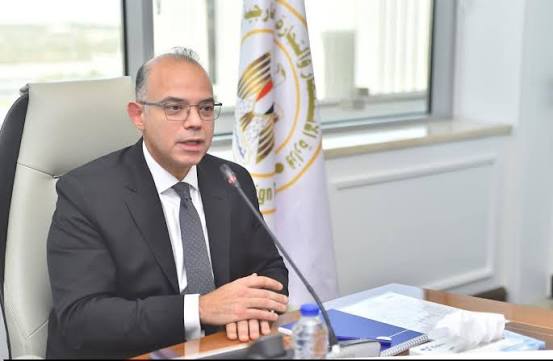
As part of the Ministry of Investment and Foreign Trade’s efforts to enhance the competitiveness of Egyptian companies and improve their export readiness, a cooperation protocol has been signed between the ministry’s Foreign Trade Training Centre and the Export Development Fund to support the development of companies operating in a number of priority export sectors.
The protocol provides support towards the cost of training programmes covered by the grant and delivered by the centre, helping companies and their employees develop their capabilities and improve their readiness to meet the requirements of foreign markets.
The protocol comes within the framework of the Ministry of Investment and Foreign Trade’s vision and strategy to enhance the competitiveness of productive and export sectors, improve the efficiency of Egyptian companies and prepare them to expand into and access foreign markets, contributing to increased Egyptian exports and maximising the benefits of opportunities available in international markets.
Under the protocol, the ministry has launched a training grant for companies operating in the food, medical, and spinning and textile industries. The Export Development Fund will cover 75% of the total cost of training programmes included in the grant and provided by the Foreign Trade Training Centre, while trainees will contribute 25% of the programme cost.
Minister of Investment and Foreign Trade Mohamed Farid said developing the capabilities of Egyptian companies and improving their export readiness are key pillars of the ministry’s strategy to increase exports and enhance the competitiveness of Egyptian products. He stressed the importance of developing the skills of company employees and preparing them to meet the requirements of foreign markets.
Farid said integrating the support and training tools provided by entities affiliated with the ministry enables companies to benefit from specialised programmes that help develop their capabilities and improve their export readiness, strengthening their ability to compete in and access foreign markets.
He said the project to develop companies in selected export sectors has already begun with two training courses involving 42 trainees. The programmes aim to develop participants’ knowledge and skills across the various stages of the export process, enhancing companies’ readiness and their ability to compete in and access foreign markets.
Farid added that investing in developing the capabilities of companies and their employees is an important pillar for expanding the base of companies capable of exporting, enhancing the competitiveness of Egyptian products and increasing their ability to benefit from opportunities available in international markets.
Farid said the launch of the training grant is one of the ministry’s tools for developing Egyptian companies and improving their export readiness by providing specialised training programmes at a subsidised cost. This will help companies seeking to enter foreign markets meet export requirements and develop their competitive capabilities.
He said the initiative aims to expand the base of Egyptian exporting companies, adding that investing in the development of companies and their employees is essential to increasing the number of exporters, diversifying export products and markets, and transforming more companies into businesses capable of competing and growing in international markets.
The grant targets companies operating in three priority export sectors: food industries, medical industries, and spinning and textiles. Eligible participants include company owners, employees working in export and marketing departments, and staff in other relevant departments at companies operating in the targeted sectors.
For his part, Hatem El-Nawawy, CEO of the Export Development Fund and the Export Development Authority, said supporting companies in developing their export capabilities is an important pillar for enhancing the competitiveness of priority sectors and improving companies’ readiness to take advantage of opportunities in foreign markets.
He said the Export Development Fund’s coverage of 75% of the cost of training programmes included in the grant enables companies and their employees to benefit from specialised programmes at a subsidised cost, helping develop the capabilities of export professionals and improve the efficiency of participating companies.
Mary Kamel, Executive Director of the Foreign Trade Training Centre, said the centre is developing a specialised system of training programmes designed to respond to the actual needs of Egyptian companies seeking to expand their export activities and to build qualified professionals capable of meeting the various requirements of foreign markets.
She said cooperation with the Export Development Fund represents a model for integrating support and capacity-building tools within the ministry by providing specialised, subsidised training programmes for companies and their employees, helping expand the beneficiary base, improve companies’ export readiness and strengthen their ability to capitalise on opportunities in foreign markets.
The Foreign Trade Training Centre offers an integrated range of training programmes covering the various stages of the export process, starting with assessing the export readiness of a product and company, selecting target markets and studying their requirements, pricing and preparing export offers, export procedures and documentation, payment methods, financing and trade risk insurance, as well as export risk management.
The programmes also cover compliance with commercial and technical requirements and regulations, trade agreements and requirements for accessing international markets, as well as the use of artificial intelligence tools in exporting. This helps companies and their employees research markets and customers, analyse information and support sound commercial decision-making.
The programmes aim to equip company owners, employees in export and marketing departments, and staff in other relevant departments with the practical knowledge and skills needed to manage the export process efficiently.