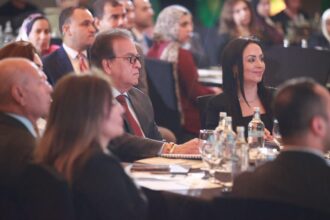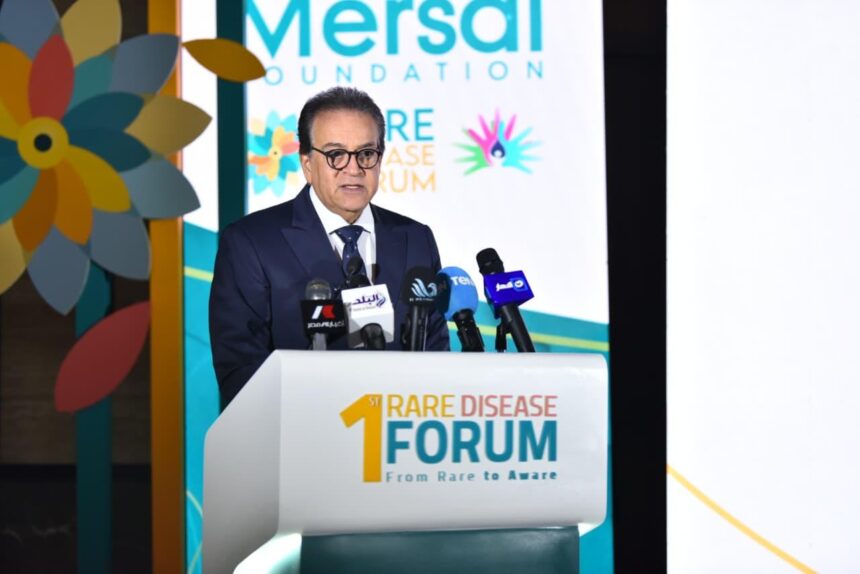
Egypt has announced a series of measures to strengthen care for patients living with rare diseases, including expanding early screening programmes, establishing a national patient registry, and creating a dedicated funding mechanism, during the launch of the country’s first national forum dedicated to rare diseases.
Speaking at the opening of the Mersal Foundation Rare Diseases Forum 2026, Minister of Health and Population Khaled Abdel Ghaffar said rare diseases are a key priority under Egypt’s National Health Strategy 2024-2030 and the Universal Health Insurance System.
He said the government’s strategy focuses on early diagnosis, streamlined referral pathways and financial protection for patients, alongside expanding presidential initiatives for the early detection of hereditary and rare diseases.
Abdel Ghaffar said Egypt has established a national registry for rare diseases and regional centres of excellence, while a national scientific committee has identified 12 rare diseases as priority conditions eligible for centralised support based on scientific criteria designed to ensure fairness and sustainability.
The minister added that a dedicated fund for rare diseases has been established and that related services are being integrated into the Universal Health Insurance System to reduce the financial burden on patients and their families. He stressed that Egypt will continue strengthening cooperation with civil society organisations and international partners to enhance policies and services for rare diseases.
Egyptian Drug Authority Chairperson Ali El Ghamrawy said ensuring the availability of medicines for rare diseases remains one of the authority’s top priorities. He noted that the authority is expanding access to innovative therapies, promoting local pharmaceutical manufacturing, and strengthening regulatory oversight and supply chain monitoring to improve medicine availability.
WHO Representative in Egypt Nima Abid praised Egypt’s efforts to expand early screening programmes and improve diagnosis and treatment services, reaffirming the organisation’s commitment to supporting initiatives that enhance the quality of life of patients living with rare diseases.
Hazem Khamis, Health Adviser to the Minister of Social Solidarity, called for closer coordination among government institutions, civil society organisations and the private sector to provide integrated medical, social and psychological support for patients and their families.
Nabila Makram, Head of the Technical Committee of the National Alliance for Civil Development Work, said rare diseases require greater national attention and coordinated action to ensure patients receive appropriate care, commending the growing partnership between the government and civil society.
Closing the forum, Mersal Foundation Chairperson Heba Rashed said the event marked the culmination of more than a decade of work on rare diseases and represented an important step towards establishing the issue as a national priority through broad-based partnerships among government, healthcare institutions and civil society.