

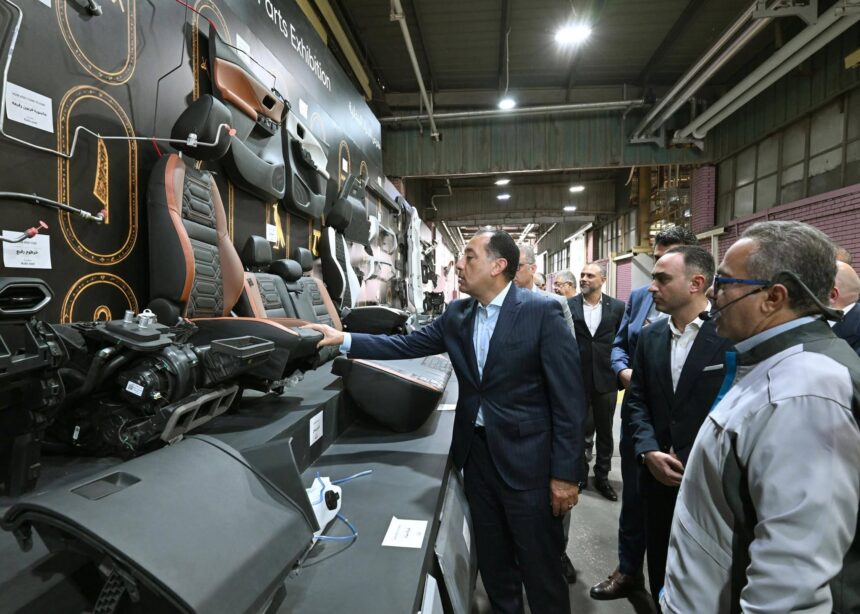
Prime Minister Mostafa Madbouly highlighted Egypt’s accelerating industrial development agenda during a tour of major manufacturing facilities in 6th of October City, where he inaugurated new production lines and reviewed expansion projects in the automotive, pharmaceutical, and food industries.
The visits underscored the government’s strategy to deepen local manufacturing, attract foreign investment, expand exports, and strengthen Egypt’s position as a regional production hub across strategic sectors.
Nissan launches first Africa-made Magnite in Egypt
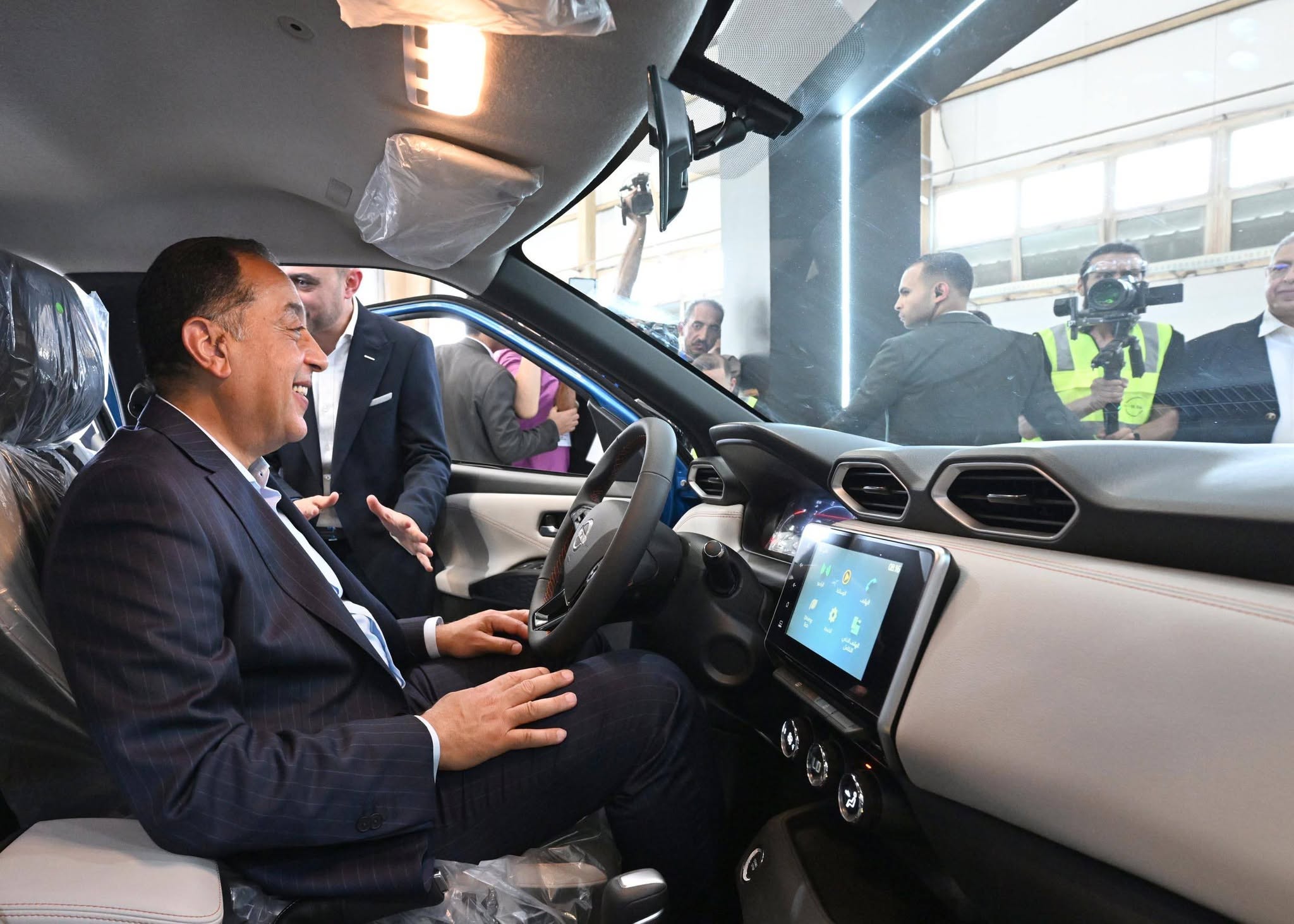
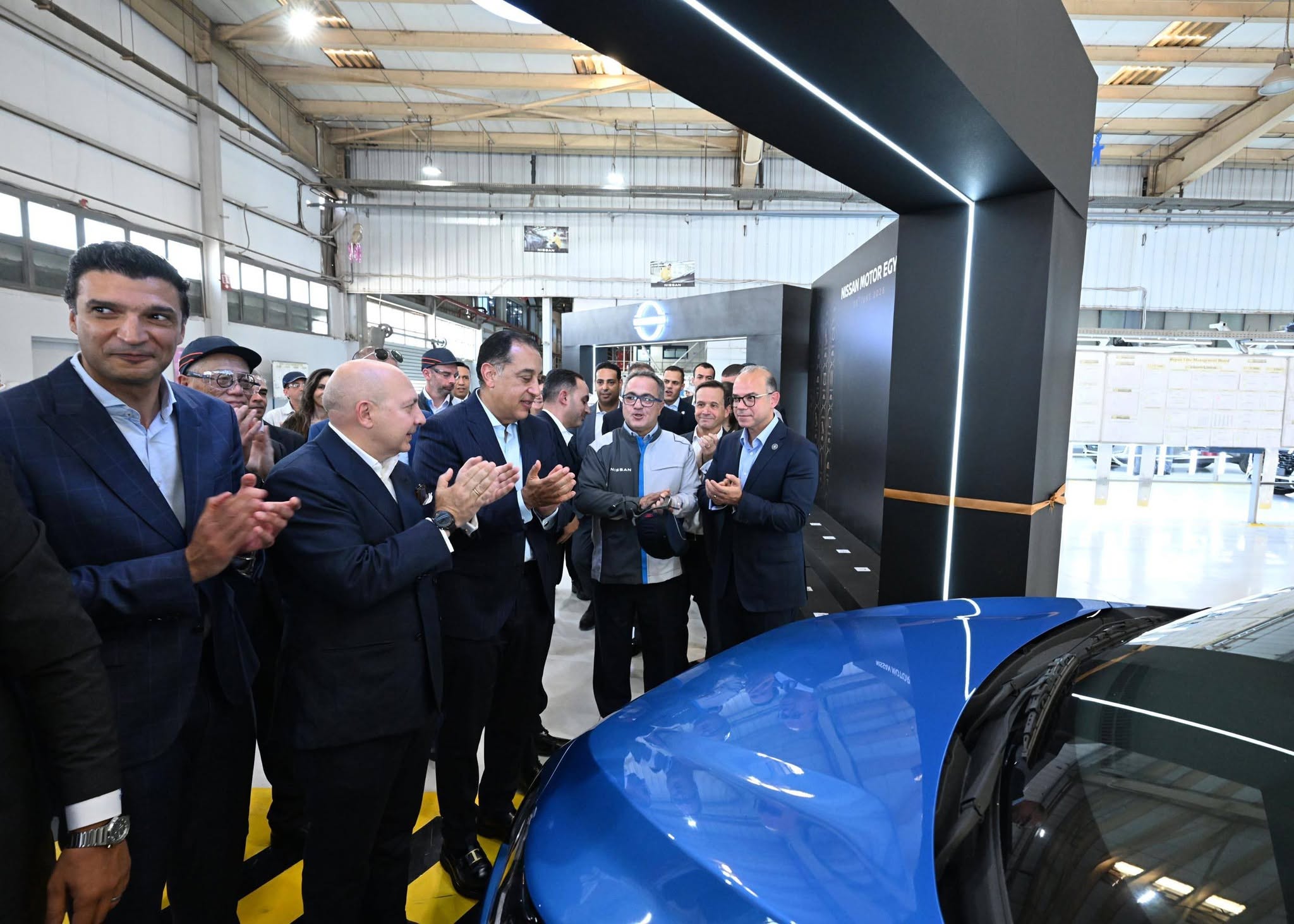
Madbouly began his tour at Nissan Egypt, where he attended the rollout of the first locally assembled Nissan Magnite, marking the model’s first production in Africa.
The Prime Minister described the milestone as a reflection of Egypt’s commitment to localising manufacturing in strategic industries, particularly the automotive sector.
“This achievement reflects the state’s commitment to deepening local manufacturing and supporting the development of a competitive automotive industry,” Madbouly said.
The launch follows Nissan’s pledge to invest $45m in upgrading its passenger vehicle assembly lines under a memorandum of understanding signed with the Egyptian government in December 2024.
According to company officials, Nissan has invested more than $276m in its Egyptian operations since establishing its wholly owned subsidiary in the country in 2004. The company produced approximately 30,000 vehicles last year and is expanding annual production capacity to 50,000 units.
The locally assembled Nissan Magnite incorporates more than 55% local content, up from 51%, and is expected to strengthen Egypt’s automotive supply chain while supporting export growth.
Nissan officials said the company has exported more than 25,000 vehicles in recent years and currently supports more than 1,000 direct jobs and approximately 5,000 indirect jobs through its supplier network.
Massimiliano Messina, Chairperson for Nissan’s Africa, Middle East, India, Europe and Oceania (AMIEO) region, said Egypt occupies a central position in the company’s regional manufacturing strategy.
He noted that Nissan achieved a record market share of 15.6% and sales of nearly 32,000 vehicles last year, while its Egyptian plant recorded its highest-ever output, exceeding 28,000 vehicles. The company also announced that it has produced 350,000 vehicles in Egypt over the past two decades.
Pharmaceutical investments gain momentum
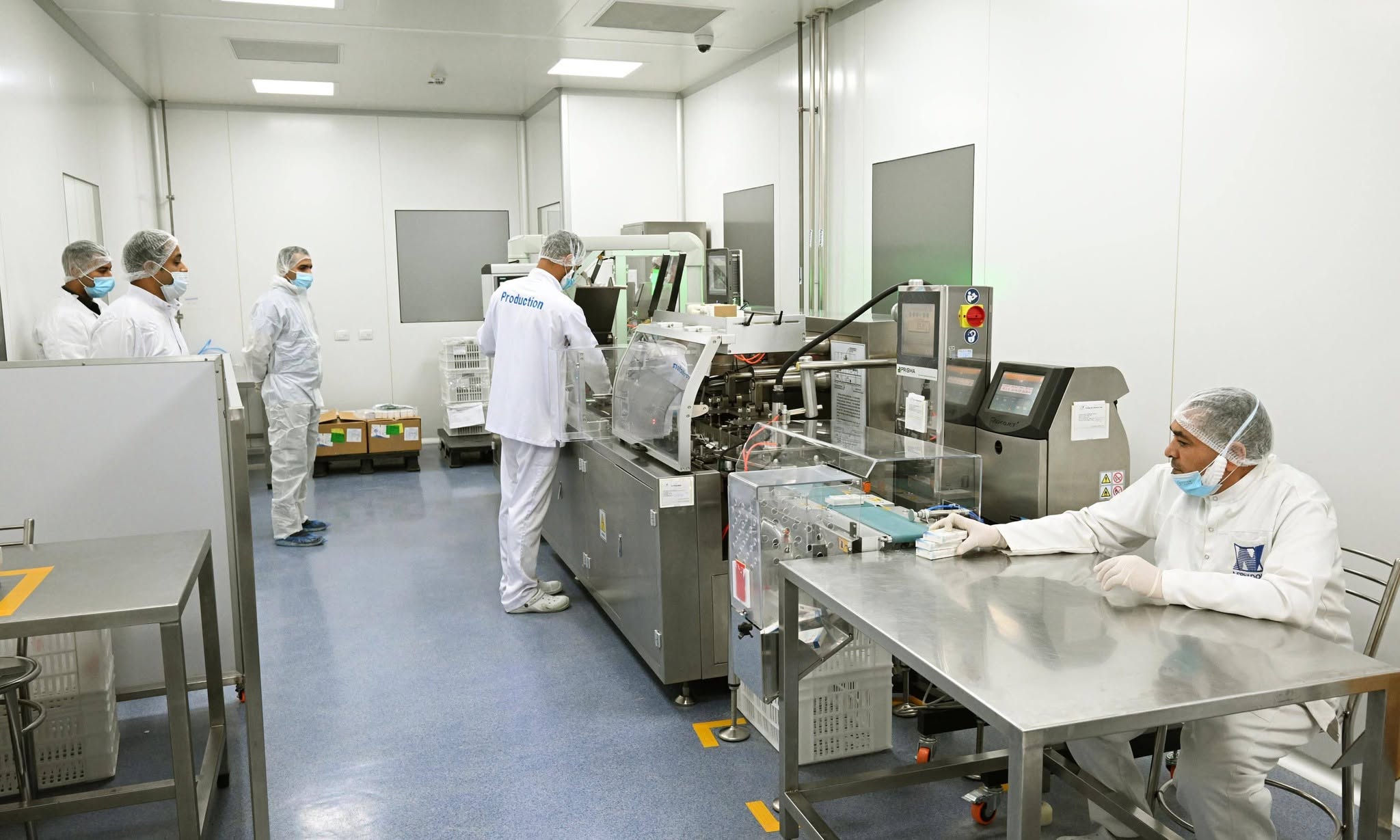
Madbouly then visited the facilities of Nerhadou International for Pharmaceuticals and Nutritional Supplements, where he reaffirmed that the pharmaceutical industry remains one of the government’s highest-priority strategic sectors.
Minister of Health and Population Khaled Abdel Ghaffar said Egypt’s pharmaceutical industry continues to record strong growth in production capacity, technological capabilities, and exports, supported by government efforts to expand local manufacturing.
During the visit, Nerhadou CEO Mohamed Shelbi said the company has invested approximately EGP 2bn and currently employs 1,170 workers.
The company operates production facilities with annual capacity reaching 600 million capsules and 840 million orally dissolving films, with local content accounting for around 60% of production inputs.
Shelbi said Nerhadou currently exports 112 pharmaceutical products to around 15 countries and aims to become one of Egypt’s five largest pharmaceutical companies by 2028.
The company is also preparing a third expansion phase valued at EGP 1.5bn, which will add new production facilities, increase output, and create approximately 1,000 additional jobs.
Officials highlighted Nerhadou’s role in introducing orally dissolving film technology to Egypt and the Middle East, alongside its development of treatments for cardiovascular diseases, diabetes, oncology, women’s health, paediatrics, and other therapeutic areas.
Nestlé expands manufacturing and exports
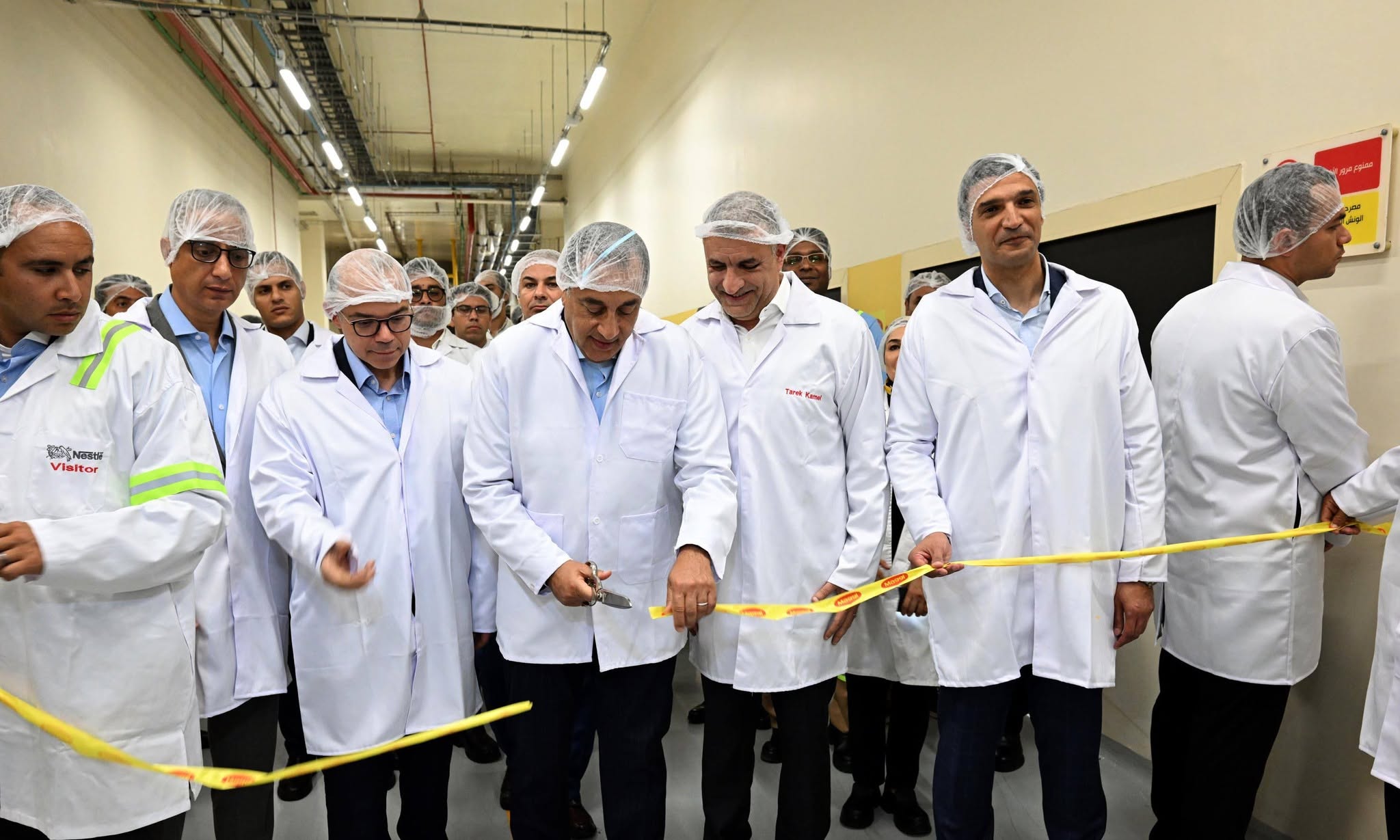
The Prime Minister also inaugurated a new production line at Nestlé Egypt as part of the company’s ongoing expansion plans.
Madbouly said the investment reflects the continued confidence of multinational corporations in Egypt’s business environment and industrial infrastructure.
Nestlé Egypt Chairperson and CEO Tarek Kamel said the expansion demonstrates the company’s long-term commitment to the Egyptian market, where it has operated for more than 125 years.
According to company officials, Nestlé’s cumulative investments in Egypt have reached approximately EGP 7bn.
The company currently manufactures more than 60 products locally, with annual production reaching around 62,000 tonnes of food products in addition to 1.2 billion litres of bottled water.
Nestlé’s operations support more than 7,000 direct and indirect jobs across its manufacturing network.
Factory Manager Marwan Omar said the company has doubled exports over the past three years, with exports now accounting for around 25% of output from its dry-food and Bonjorno facilities.
The newly inaugurated Maggi Double Minced production line has an annual capacity of 2,000 tonnes, with approximately half of its output designated for export, particularly to African markets.
Local content levels in some products have reached around 74%, reflecting Nestlé’s efforts to deepen domestic sourcing and strengthen local supply chains.
Supporting Egypt’s industrial transformation
Madbouly’s tour highlighted the breadth and diversity of Egypt’s industrial base, with new investments spanning automobiles, pharmaceuticals, and food manufacturing.
Collectively, the projects represent billions of pounds in investments, thousands of jobs, higher local-content ratios, and expanding export capacity. They align with the government’s broader strategy to localise production, attract global manufacturers, and position Egypt as a leading regional hub for industry, trade, and exports.


