

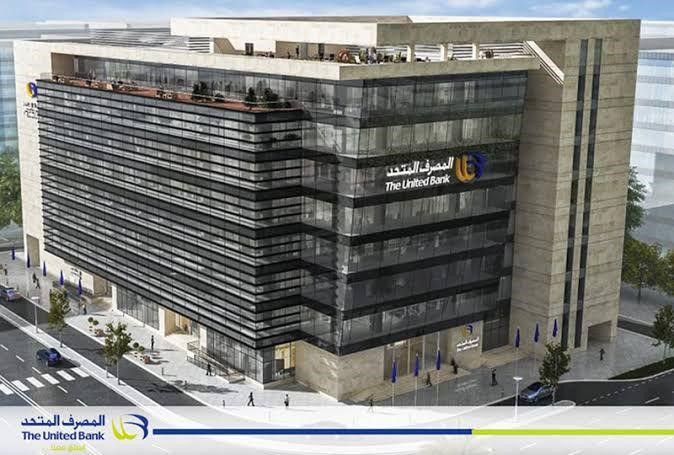
United Bank announced strong standalone financial results for the first quarter (Q1) of 2026, recording growth across its asset base, customer deposits, lending portfolio, and profitability indicators.
The bank’s total assets reached EGP 110.9bn as of 31 March 2026, compared with EGP 99.8bn in December 2025, reflecting an increase of EGP 11.1bn, or 11%. The growth highlights the bank’s ability to strengthen its financial position despite ongoing regional and global economic challenges.
Customer deposits rose to EGP 85.2bn in March 2026 from EGP 75.8bn three months earlier, an increase of EGP 9.4bn, or 12%.
The expansion was primarily driven by a sharp increase in corporate deposits, including those of large, medium, and small enterprises, which climbed to EGP 36.6bn from EGP 28.1bn, representing growth of EGP 8.5bn, or 30%. Retail deposits also increased to EGP 48.6bn from EGP 47.7bn, up EGP 0.9bn, or 2%.
Retail customers accounted for approximately 57% of total deposits, while institutional deposits represented 43%.
The bank’s total loans and credit facilities portfolio grew to EGP 45.1bn in March 2026, compared with EGP 38.3bn in 2025, marking an increase of EGP 6.8bn, or 18%.
Corporate lending expanded to EGP 35.3bn from EGP 28.9bn, up EGP 6.4bn, or 22%, while retail lending increased to EGP 9.8bn from EGP 9.4bn, recording growth of EGP 0.4bn, or 4%.
Net interest income rose to EGP 1.311bn during the first quarter of 2026, compared with EGP 1.207bn in the corresponding period of 2025, representing growth of 9%.
Net banking commission income also increased to EGP 196m from EGP 186m, posting a 5% year-on-year rise.
United Bank reported net profit after tax of EGP 634m during the first quarter, while profit before tax reached approximately EGP 950m.
The bank continued to maintain strong financial and regulatory indicators. Its capital adequacy ratio stood at 20.58%, comfortably exceeding the requirements of both the Central Bank of Egypt and the Basel Committee.
Liquidity levels remained robust, with the overall loans-to-deposits ratio reaching 53%, including 65% for local-currency loans and 32% for foreign-currency loans.
Asset quality indicators also remained strong, with the non-performing loans ratio standing at 1.1% and the loan coverage ratio reaching 337%, reflecting prudent risk management and adequate provisioning.
Meanwhile, the bank’s SME and microfinance portfolio expanded significantly to EGP 4.03bn in March 2026, compared with EGP 2.92bn in December 2025, an increase of EGP 1.11bn, or 38%.
The share of regular SME financing within the bank’s total lending portfolio rose to 27.43%, up from 19.92% in 2025.
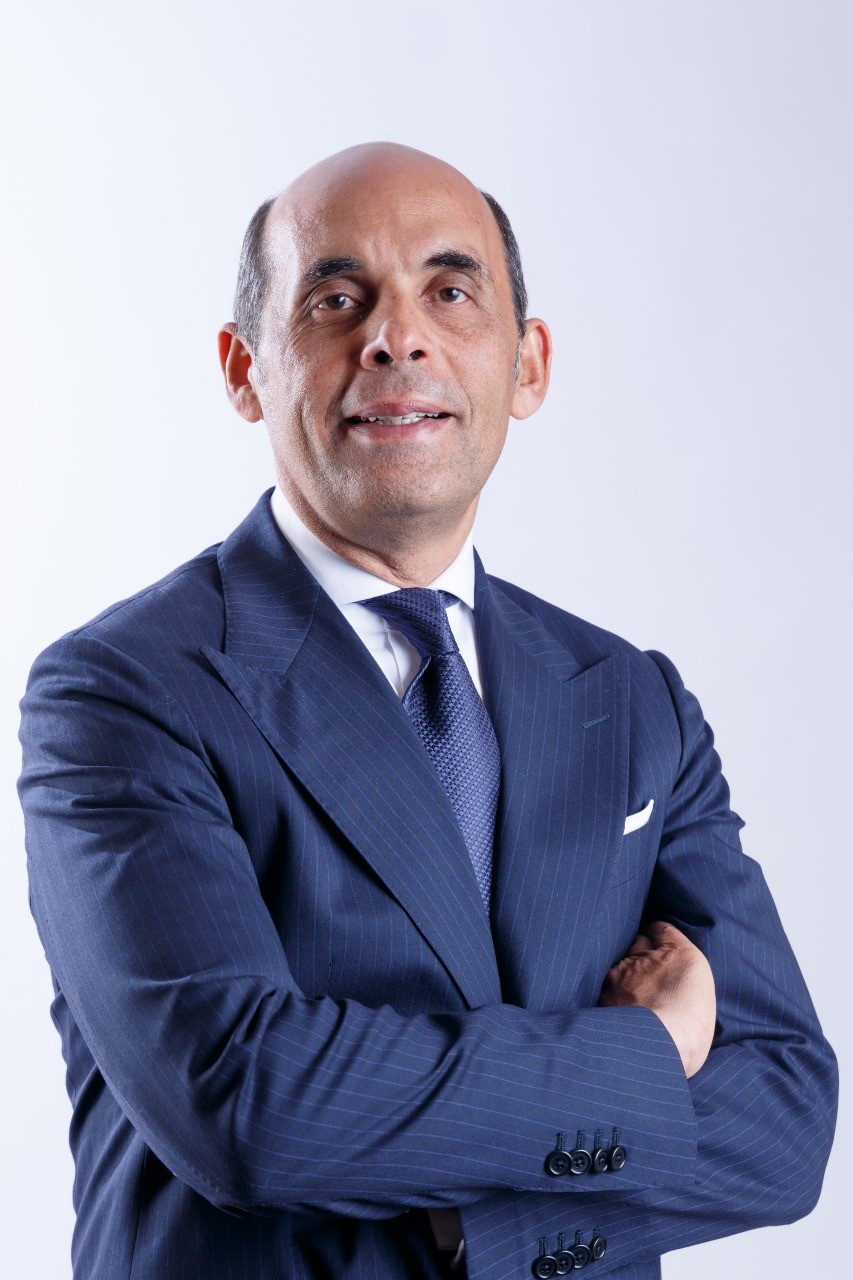
Tarek Fayed, Chief Executive Officer and Managing Director of United Bank, said the results reflected the success of the bank’s balanced strategy aimed at achieving sustainable growth, maximising value creation for the national economy, enhancing operational efficiency, and expanding innovative banking and digital solutions.
He noted that the bank continues to align its operations with the priorities of the Egyptian government and the Central Bank of Egypt, particularly in promoting financial inclusion, supporting small and medium-sized enterprises, encouraging investment and production, and accelerating digital transformation.
Fayed added that United Bank is placing increasing emphasis on financing sectors that generate high added value and foreign-currency revenues, particularly tourism and export-oriented industries, including textiles, ready-made garments, and agricultural products. The bank is also supporting initiatives and partnerships that contribute to industrial localisation and strengthen Egypt’s economic competitiveness.
He further highlighted the bank’s commitment to developing innovative financing and investment solutions tailored to different customer segments, including entrepreneurs and business owners, while supporting productive, healthcare, and service sectors.
According to Fayed, the bank’s strategy also encompasses strengthening its developmental and social role, reflecting its commitment to balancing financial performance with social responsibility and sustainable development objectives.