


Ahmed Rostom, Minister of Planning and Economic Development, met with Akram El Gohary, head of the Central Agency for Public Mobilization and Statistics (CAPMAS), to review final preparations and the latest developments related to the implementation of the 2027 General Census of Population, Housing and Establishments.
The meeting comes as part of broader state efforts to strengthen planning and evidence-based decision-making through the availability of accurate and up-to-date data.
During the discussions, Rostom reaffirmed the ministry’s commitment to providing all necessary support to ensure the success of the national census, describing it as one of Egypt’s most significant national projects due to the comprehensive database it will generate to support sustainable economic and social development planning.
The minister said the census represents a key pillar for planning and formulating public policies based on reliable data, helping identify development priorities, improve the efficiency of investment allocation, and enhance the quality of services delivered to citizens across different governorates.
Rostom also highlighted the strategic importance of the census in advancing the objectives of Egypt Vision 2030 by providing accurate indicators that enable ministries and government entities to develop more efficient policies and plans tailored to evolving development needs.
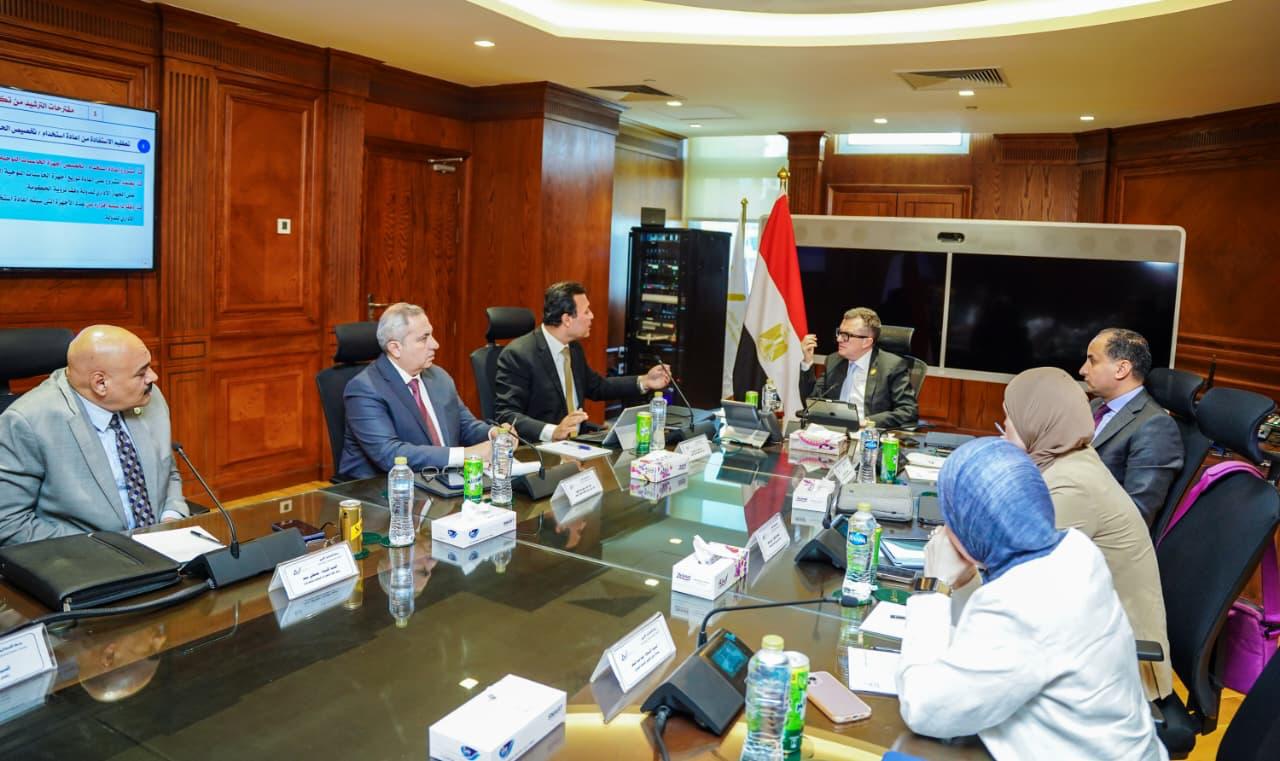
For his part, El Gohary reviewed the implementation status of the 2027 census and the methodology adopted for its execution, stressing that the exercise represents a major milestone in the development of Egypt’s official statistical system.
The CAPMAS chairperson said Census 2027 marks a transitional phase towards modernising the national census framework through the gradual integration of administrative records and digital transformation in statistical data production, improving efficiency, accuracy and the speed of data availability for policymakers.
El Gohary also underlined the importance of maximising the use of human resources involved in the census process to ensure data quality and the accuracy of field and office operations in line with the highest technical and statistical standards.
He added that the 2027 census will include a range of indicators designed to support future specialised surveys and censuses, including the agricultural and economic censuses, while addressing the data requirements of various ministries and government institutions. The approach is expected to help save time and resources while strengthening integration across national data systems.

