

Despite mounting geopolitical tensions in the Middle East and ongoing shifts in the global economy, Egypt and the United States continue to anchor a resilient strategic partnership that extends well beyond political cycles, according to senior Egyptian officials in Washington.
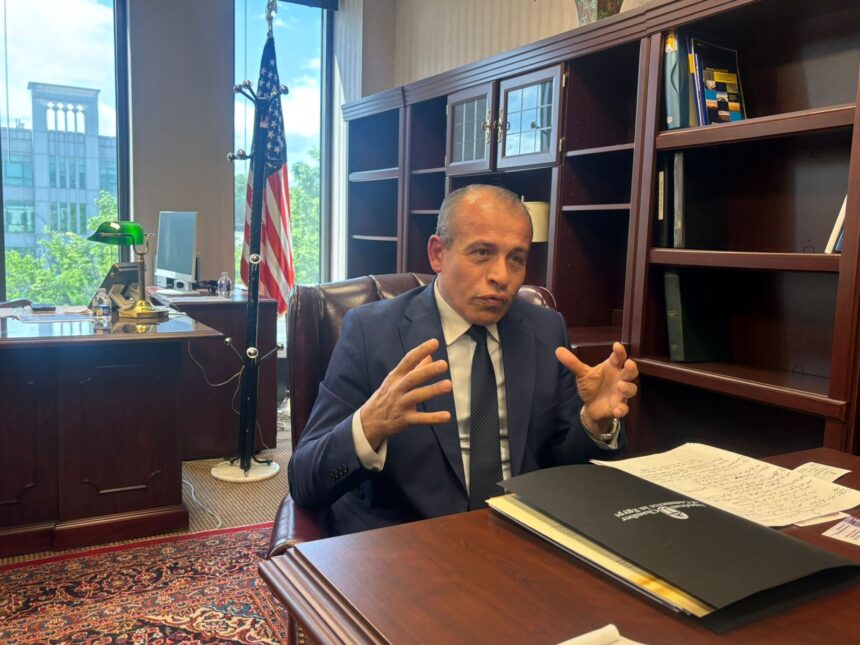
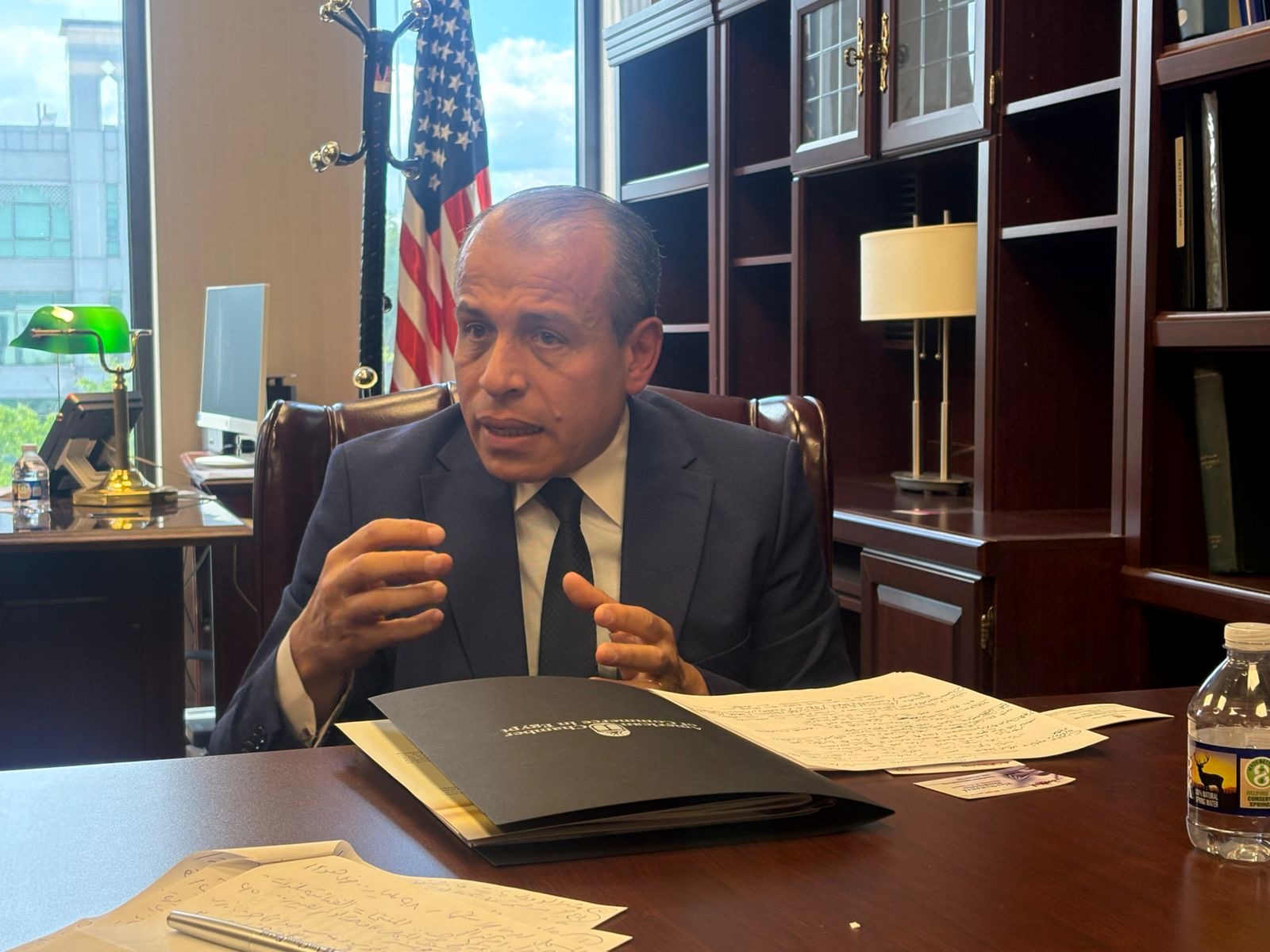
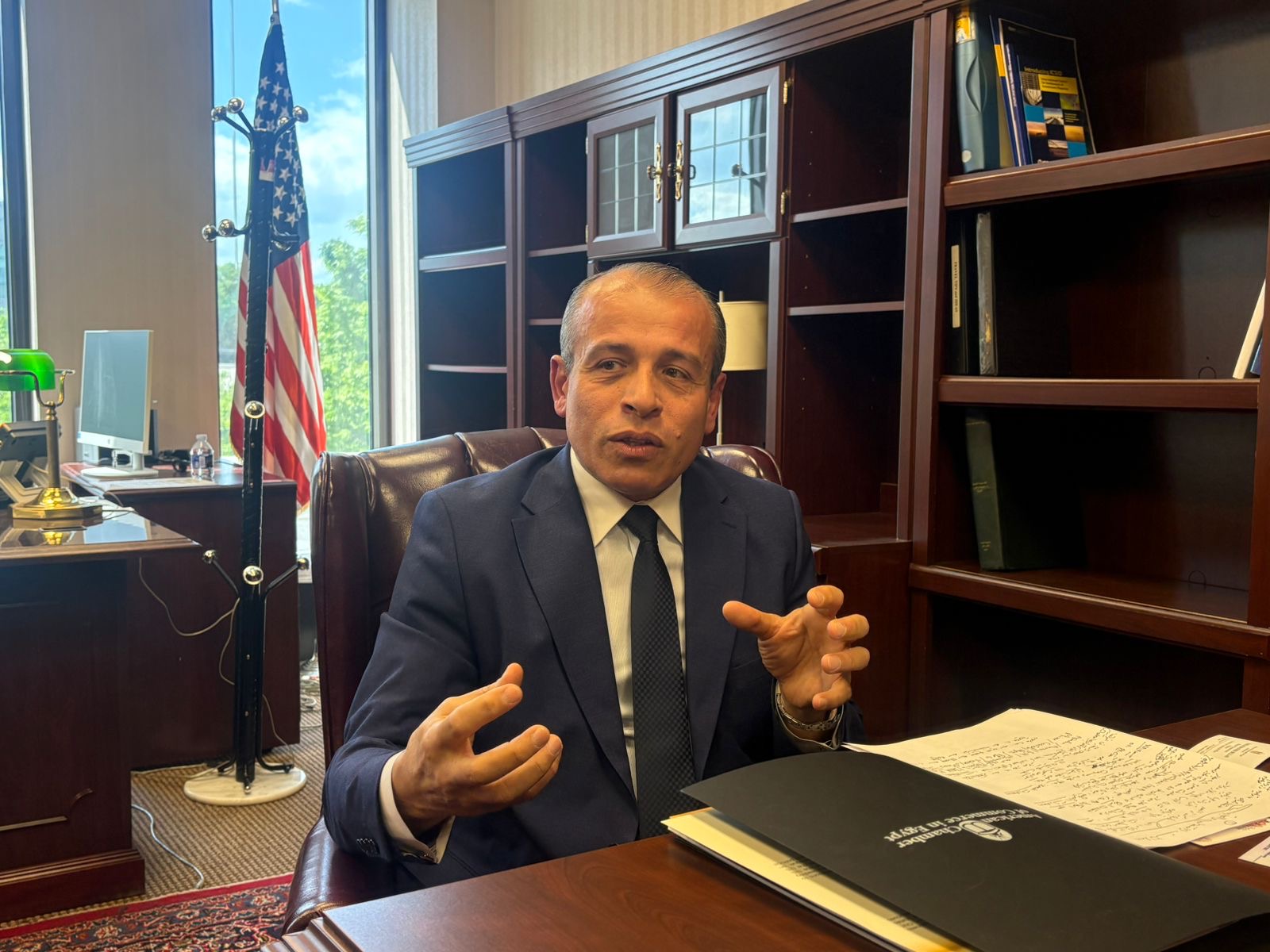
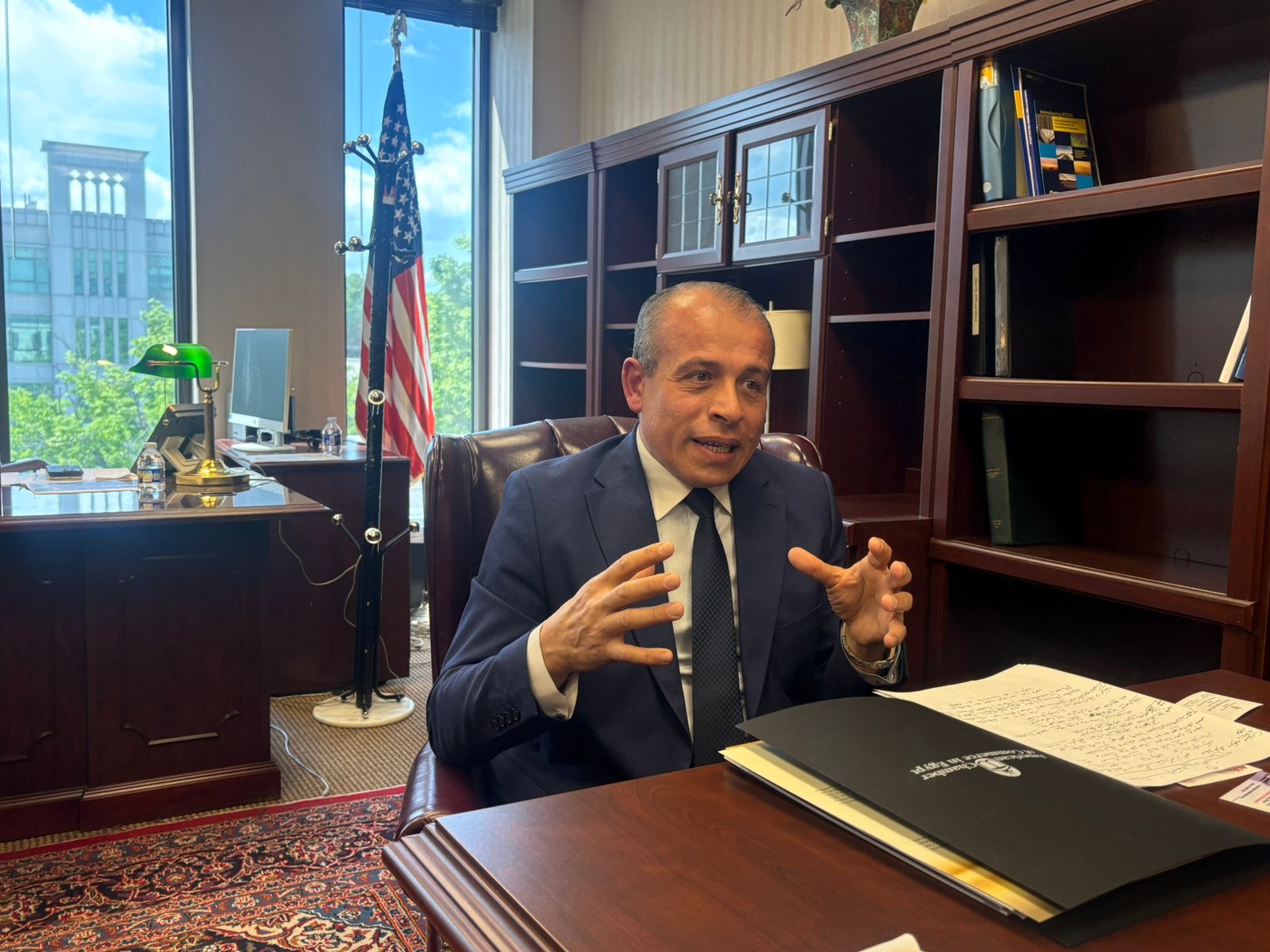
Speaking during a dialogue with a media delegation accompanying the American Chamber of Commerce in Egypt’s (AmCham Egypt) “Doorknock Mission” to Washington, Minister Plenipotentiary for Economic and Commercial Affairs at the Egyptian Embassy, Yehia El-Watheq Bellah, underscored the depth and durability of bilateral relations, as well as Cairo’s evolving strategy to expand trade and attract US investment.
He stressed that Egyptian-American ties are not defined by changes in administrations, but rather by long-term strategic and economic interests. “We view the United States not only as a global political power, but as the largest economic engine in the world,” he said, noting that its vast global investments represent an opportunity Egypt is keen to capture.
El-Watheq Bellah described Egypt as an indispensable partner in the Middle East, with competitive advantages that position it as a regional hub and a gateway for American investments into Africa and neighbouring markets.
Trade momentum builds, but ambitions remain higher
Bilateral trade has shown notable growth, particularly over the past year. US exports to Egypt reached $9.5bn in 2025, with the energy sector, especially oil and gas, accounting for approximately $4.4bn, reflecting Egypt’s efforts to secure reliable and competitively priced energy supplies.
Egyptian exports to the United States rose to $2.9bn, marking a 13% year-on-year increase. However, El-Watheq Bellah acknowledged that this remains below target levels, particularly given Egypt’s ambitions to exceed $5bn in non-oil exports.
Currently, exports are heavily concentrated in ready-made garments under the Qualifying Industrial Zones (QIZ) agreement, which contributes around $1.3bn, followed by food products and metals. He emphasised the need to diversify export categories, move towards higher value-added industries, and better equip Egyptian exporters to meet US market standards.
“Our new strategy is based on focus, not dispersion. We cannot promote dozens of sectors simultaneously,” he said.
Targeted investment push across key sectors
On the investment front, El-Watheq Bellah highlighted a range of high-potential sectors, including telecommunications, pharmaceuticals, automotive manufacturing, agro-industry, and financial services.
He noted that Egypt has shifted towards a more investor-centric approach, promoting opportunities aligned with the specific interests of foreign investors rather than imposing predefined priorities. This is accompanied by ongoing efforts to streamline procedures and accelerate project implementation.
Particular emphasis is being placed on leveraging Egypt’s network of free trade agreements and the advantages offered by free zones and special economic areas, notably the Suez Canal Economic Zone. These frameworks allow investors to access wider regional markets, especially across Africa.
Egypt positioned as a regional safe haven
Amid rising concerns over disruptions to global shipping routes, particularly in the Gulf and the Strait of Hormuz, Egypt is increasingly being viewed as a stable and strategic alternative for global business operations.
El-Watheq Bellah pointed to Egypt’s unique geographic positioning—linking the Mediterranean and Red Seas via the Suez Canal—as a key factor enhancing its appeal as a ‘safe haven’ for trade and investment.
He argued that current global dynamics present a timely opportunity to deepen economic cooperation between Cairo and Washington.
“The ideal time to invest is now”
Delivering a direct message to American investors, El-Watheq Bellah said: “Egypt is not just a market of more than 100 million people; it is a gateway to nearly 2 billion consumers through our trade agreements. The ideal time to invest is now, before the reform cycle is completed and costs rise.”
At the domestic level, he acknowledged the challenges facing the Egyptian economy, while emphasising the government’s commitment to driving reform and attracting capital.
“We are working tirelessly in Washington to secure every investment opportunity and every dollar that can support the national economy,” he said. “Global challenges are significant, but Egypt has the human capital and strategic location to achieve a historic economic transformation.”
Call for legislative overhaul and full digitalisation
El-Watheq Bellah also stressed the need for a comprehensive overhaul of Egypt’s legislative framework to keep pace with global economic developments.
“We cannot attract 21st-century investments with laws dating back decades. What we need is a legislative revolution aligned with the era of artificial intelligence and digital trade,” he said.
He noted that the government is increasingly operating in a coordinated, cross-ministerial manner to improve the investment climate, with a strong focus on digital transformation and reducing bureaucracy.
“The era of fragmented government action is over. Today’s investor expects to establish a company within minutes and access land within days,” he added. “We are prioritising full digitalisation and minimising human intervention, because speed and transparency are the true currency of modern investment.”


