

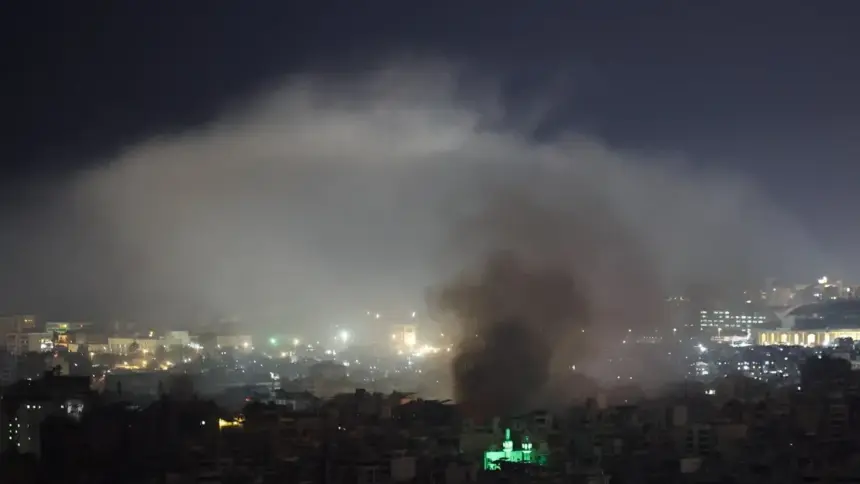
Israel is planning a major expansion of its ground operations in Lebanon, targeting the entire area south of the Litani River to dismantle Hizbollah’s military infrastructure, Israeli and American officials told the Axios news website, in what could represent the largest Israeli land invasion of Lebanon since 2006.
An Israeli official told Axios that the operation would mirror what Israel carried out in Gaza, referring to the destruction of buildings it says Hizbollah uses for weapons storage and launching attacks. The report noted the operation could draw Lebanon deeper into the widening war with Iran, and warned that an offensive of this scale might result in a prolonged Israeli occupation of southern Lebanon.
According to the report, the Lebanese government fears the renewed conflict — triggered after Hizbollah launched rockets into Israel — could devastate the country. In recent days, Beirut has signalled readiness to engage in direct talks with Israel over an immediate ceasefire, without preconditions, according to the same sources.
The Trump administration, the report said, supports a large-scale Israeli operation to disarm Hizbollah, but is simultaneously pressing to limit damage to the Lebanese state and pushing for direct Israel-Lebanon negotiations aimed at a post-war agreement. Washington also seeks to use the talks to lay the groundwork for a broader deal that would formally end the state of war between Israel and Lebanon that has persisted since 1948.
The developments come against a backdrop of intensifying military activity. Israeli forces struck multiple towns in southern Lebanon on Saturday, killing at least 12 people in a strike on Bint Jbeil, according to Lebanon’s National News Agency. Artillery bombardment was reported to be continuous and concentrated across the towns of al-Taybeh, al-Khiam, Arnoun, and Yahmar al-Shaqqif, with heavy shells deployed throughout.
The agency also reported that the death toll in the city of Nabatiyeh had risen to seven following an air strike on a residential building on Friday. Israeli aircraft also destroyed a residential and commercial building in the Samuqa neighbourhood on the main road between the towns of Jibshit and Abba.
Hizbollah, for its part, said Saturday it had targeted an Israeli troop concentration near the municipality of al-Khiam and in the border town of Maroun al-Ras. It also announced strikes on three Israeli strategic bases: the Stella Maris base — described as a strategic naval surveillance and monitoring installation on the northern coast — struck with a drone swarm; the Ain Shemer air defence missile base, located approximately 75 kilometres from the Lebanese-Palestinian border east of al-Khadera, also struck by drones; and the Ain Zeitoun base north of occupied Safed, targeted with a missile salvo.
Hizbollah said it additionally fired at what it described as a newly established Israeli position at Balat in southern Lebanon, and struck another newly established position at Nimr al-Jamal opposite the border town of Alma al-Shaab. The group also claimed responsibility for strikes on an Israeli armoured vehicle at al-Khiam detention centre, a concentration of Israeli military vehicles in the same vicinity, the settlement of al-Mutalla with a missile salvo, an Israeli military concentration at al-Hammousiyeh west of the border town of Blida, the al-Adaysa border town’s tank hill, and the settlement of Kiryat Shmona with a missile salvo.
Israeli strikes on southern Lebanon, eastern Lebanon and Beirut’s southern suburbs have so far killed approximately 700 people, according to Lebanese authorities. Mass evacuation orders covering the same areas have forced more than 800,000 people from their homes.
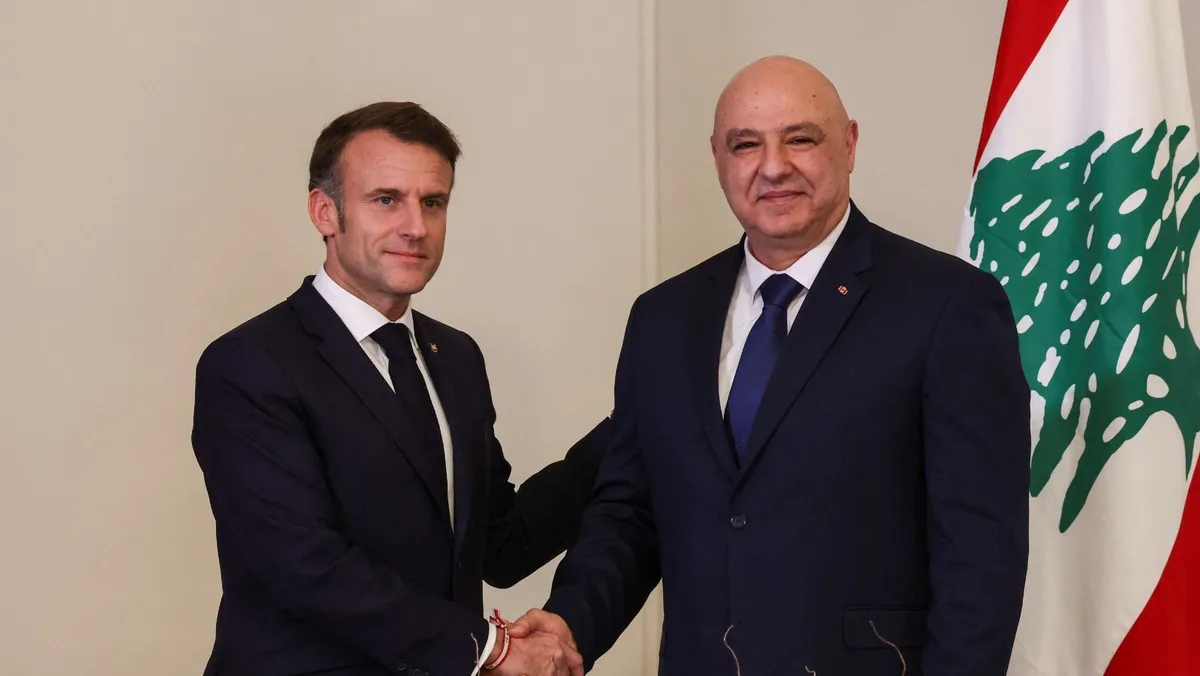
Against this backdrop, French President Emmanuel Macron said on Saturday that France is prepared to host direct talks between Israel and Lebanon in Paris aimed at securing a ceasefire. In a post on X, Macron said he had spoken on Friday with Lebanese President Joseph Aoun, Prime Minister Nawaf Salam, and parliament speaker Nabih Berri.
“Everything must be done to prevent Lebanon from sliding into chaos,” Macron wrote. “Hizbollah must immediately stop its escalatory approach, and Israel must give up any large-scale offensive and stop its intensive bombardments, at a time when hundreds of thousands of residents have already fled the bombings.”
Macron noted that Lebanon’s executive authority had expressed willingness to enter direct talks with Israel, and called on all components of the country to be represented in such discussions. “Israel must seize this opportunity to engage in talks and reach a ceasefire, find a lasting solution, and allow the Lebanese authorities to fulfil their obligations in a way that strengthens Lebanon’s sovereignty,” he said. “France is ready to facilitate these talks in Paris.”
Macron’s offer followed a request by Lebanese President Aoun for France to intervene to prevent strikes on Beirut’s southern suburbs after the Israeli military issued evacuation orders for several neighbourhoods, and to work toward an immediate ceasefire amid Lebanese diplomatic efforts to halt the Israeli bombardment.
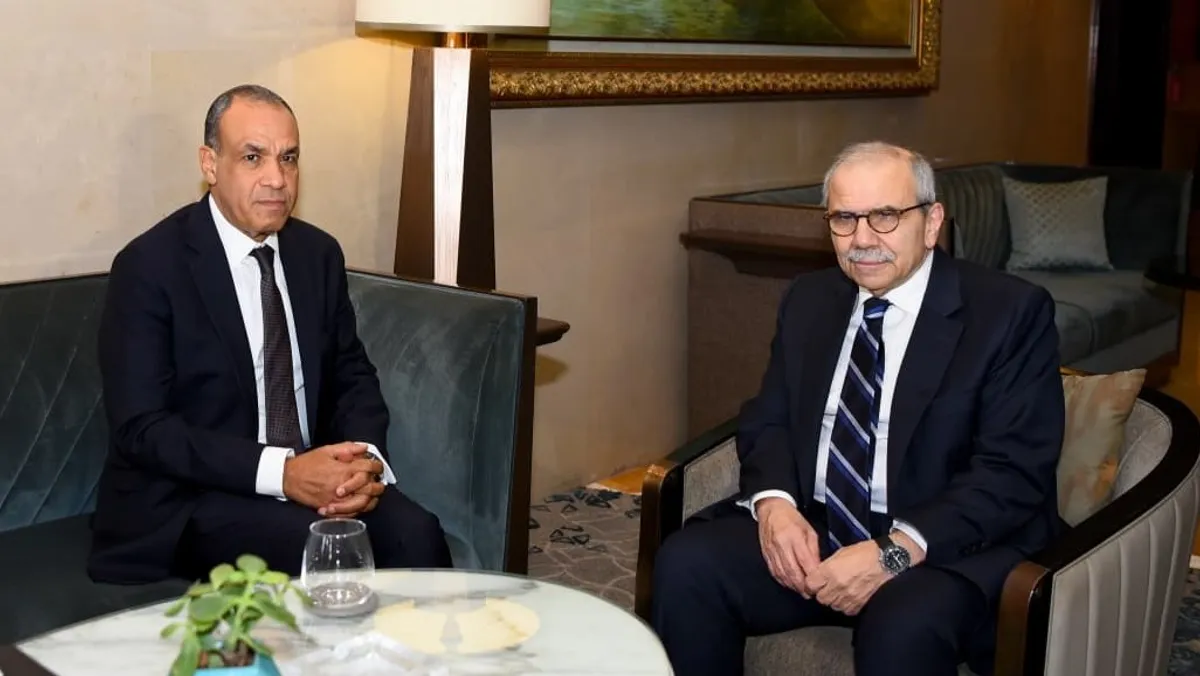
In parallel, Egyptian Foreign Minister Badr Abdelatty spoke by telephone on Friday with Lebanese Prime Minister Nawaf Salam, reiterating what the Egyptian foreign ministry described as Cairo’s “complete condemnation and categorical rejection” of the repeated Israeli attacks on Lebanon and any infringement on its sovereignty, unity, and territorial integrity. Abdelatty stated that such actions constitute a clear violation of international law and United Nations Security Council Resolution 1701.
The Egyptian foreign ministry said Abdelatty and Salam discussed the rapidly evolving situation and the current military escalation in Lebanon, as well as developments relating to the ongoing Israeli aggression and the incursions into Lebanese territory.
Abdelatty affirmed Egypt’s support for efforts by Lebanese state institutions to extend their authority across the full extent of national territory, and stressed the necessity of an immediate halt to Israeli violations and attacks to create the right conditions for negotiations to begin — conditions that would, in Cairo’s view, ensure tangible results on the ground and consolidate calm.
The Egyptian minister also listened to Salam outline the urgent requirements and needs for managing the displaced persons crisis under the severe humanitarian conditions Lebanon is facing, and pledged to work toward meeting those needs and providing the necessary aid to support the Lebanese people and alleviate the impact of displacement.
Prime Minister Salam, the ministry said, expressed Lebanon’s deep appreciation — on behalf of its leadership, government and people — for Egypt’s supportive positions during the current sensitive circumstances.