

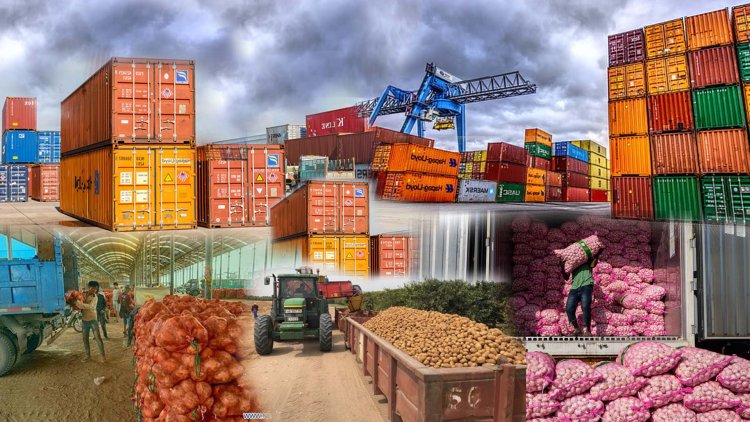
The Federation of Egyptian Chambers of Commerce (FEDCOC) held an emergency meeting of its High Committee for Crisis Operations to assess the potential economic repercussions of escalating geopolitical tensions linked to the military confrontation between the United States and Iran.
According to Ahmed El Wakil, president of the federation, the meeting brought together leading economic experts and specialists alongside representatives from the business community and various productive and commercial sectors.
Discussions focused on evaluating the potential impact of the evolving situation on trade flows, local markets, supply chains, and key macroeconomic indicators in Egypt.
El Wakil said the committee concluded that, based on current indicators, there is no need for hasty measures or exceptional administrative interventions that could disrupt market stability or place additional pressure on the economy.
Participants stressed that the Egyptian economy possesses a degree of resilience in dealing with external shocks under current economic policies. They noted that the economy has already demonstrated an ability to absorb part of external pressures, particularly amid global capital movements and the withdrawal of some short-term investments from emerging markets, including Egypt.
According to participants, this flexibility has helped the market absorb these developments without experiencing sharp disruptions.
During the meeting, the committee reviewed several possible scenarios regarding the trajectory of the conflict—whether it concludes in the short, medium, or long term—and the measures that may be required under each scenario.
Based on expectations that the conflict could end in the short term, the committee outlined a number of key recommendations.
Regarding prices, participants said there is currently no reason for concern. They noted that the situation remains unclear but there are no signs of a general price surge, with current movements considered normal market fluctuations.
On wages, the committee acknowledged the need for improvement and suggested introducing a temporary monthly grant during the current period until the crisis subsides, taking into account purchasing power and the potential impact of price changes.
In terms of trade policy, the committee recommended maintaining current export and import policies without restrictions, noting that the current exchange rate level provides additional support for Egyptian exports.
With respect to public spending, participants said there is no need for further expenditure rationalisation, stressing that government spending is already disciplined and that the country is maintaining a significant primary fiscal surplus.
However, the committee emphasised that energy and food security remain absolute priorities during this period. Ensuring sufficient supply availability and maintaining safe strategic reserves were highlighted as key safeguards, with officials noting that the current situation remains stable and is being monitored daily.
The federation confirmed that its crisis operations room will continue to closely track developments in both local and global markets in the coming period, while maintaining consultations with economic experts and business representatives to assess any new developments and their potential impact on economic activity.
It also called for calm and warned against hasty reactions, particularly given the rapidly changing nature of geopolitical developments. According to the federation, prudent handling of such situations requires continuous monitoring and decisions based on clear data and indicators.
The federation further affirmed its ongoing coordination with relevant authorities and the business community to ensure market stability and the continued availability of goods and services.
In addition, in solidarity with Arab countries affected by the conflict, the federation called for an urgent meeting of the board of the Union of Arab Chambers to be held at the headquarters of the League of Arab States. The meeting will discuss the economic implications of the crisis and propose mechanisms to address them.
The gathering is also expected to produce a unified statement representing the voice of the Arab private sector to be presented at international forums.


