

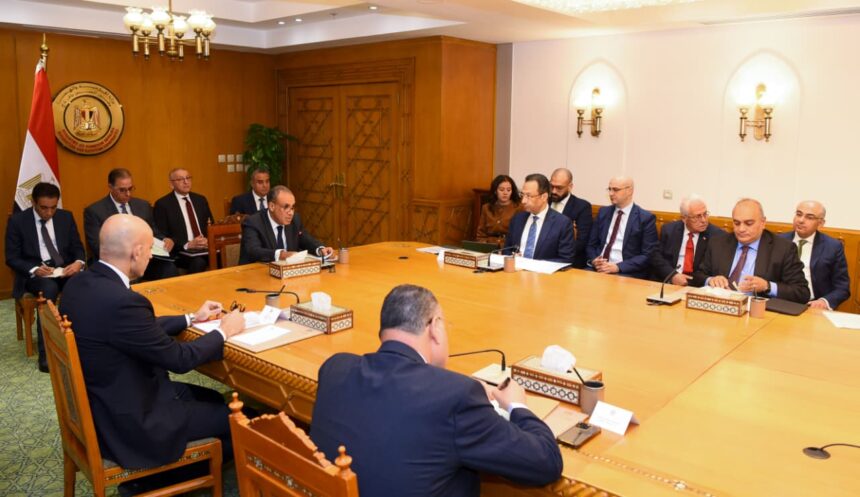
Egypt is set to introduce a range of incentives and practical solutions to address the concerns of citizens living abroad, including reforms to customs procedures and university admission policies, following a high-level inter-ministerial meeting on Wednesday.
Foreign Minister Badr Abdelatty hosted the coordination meeting, which included Minister of Education Mohamed Abdel Latif, Minister of Communications and Information Technology Raafat Hindi, and Minister of Higher Education and Scientific Research Abdel Aziz Konsowa. Representatives from the ministries of Defence, Interior, Finance, Housing, Electricity, and the Central Bank also participated in the discussions aimed at enhancing services for the Egyptian diaspora.
The meeting focused on several critical files, including:
- Customs and Logistics:Addressing procedures for mobile phones and cars brought into the country.
- Education:Facilitating the equivalency of foreign certificates and maintaining flexible quotas for the admission of students from abroad into Egyptian universities to account for varying international curricula.
- Consular Services:Accelerating the automation of consular procedures, streamlining the issuance of identification documents, and updating banking data.
- Legal and Administrative Support:Providing legal aid to citizens overseas and addressing issues related to military service (recruitment), secondments for workers abroad, and the “Beit Al-Watan”housing initiative.
The ministers and national representatives agreed to establish a framework for periodic consultation to develop practical measures that strengthen the link between Egyptians abroad and their homeland.
In a separate bilateral meeting held the same day, Abdelatty received Konsowa to specifically discuss international cooperation in higher education and scientific research. The two ministers reviewed the role of Egyptian cultural offices abroad in fostering academic ties and expanding student and scientific exchange programmes.
“It is essential to intensify joint efforts to support the role of Egyptian educational institutions on the international stage,” Abdelatty stated, noting that Egyptian embassies and consulates are committed to providing care and support for Egyptian researchers and students studying overseas.
Konsowa highlighted ongoing efforts to enhance academic cooperation with universities in Europe and the United States. He also outlined plans to increase the number of international students studying in Egypt and to improve the efficiency of teaching staff. Both ministers emphasised the importance of leveraging the expertise of Egyptian scholars abroad to support the nation’s broader development goals.


