One in four senior leaders surveyed in Egypt believed no member of their senior team was ready to step into the top role, according to the Leadership Pulse 2026 survey conducted by Atruk Athar Consultancy.
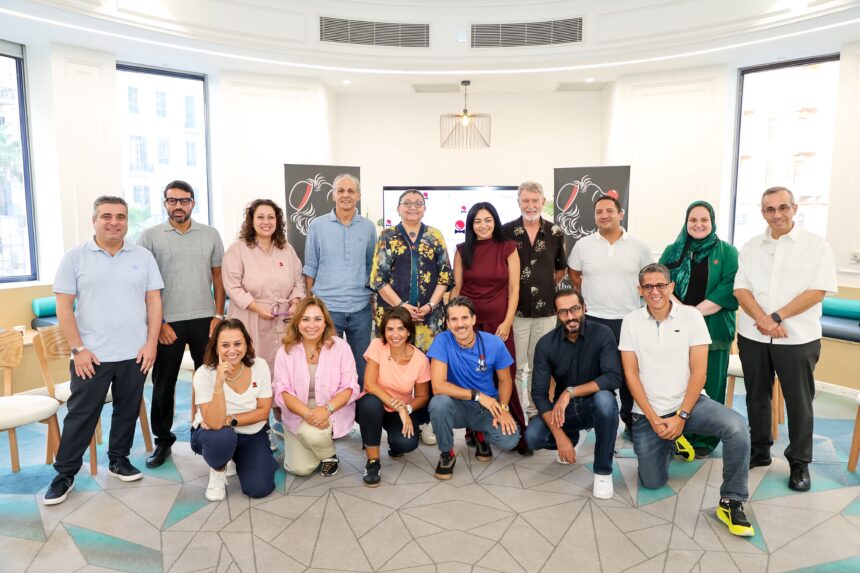
The finding highlighted the need to strengthen leadership development, the firm said, as it hosted “Leadership Behind the Red Nose”, a three-day workshop at the MINT Hub by EGBANK on 19-21 September 2026, focused on how leaders exercise responsibility, communicate and respond under pressure.
The survey, conducted by the strategy, governance and leadership advisory firm, gathered anonymous responses from senior leaders across various sectors in the Egyptian market, including banking, financial and professional services. It found that 80% considered no more than a fifth of their senior team ready to assume the top role today, with 25% reporting no CEO-ready successor at all.
Alongside this limited succession readiness, respondents reported difficulties managing uncertainty and disagreement. Seventy-two per cent said they occasionally or frequently projected confidence while feeling seriously uncertain, and 56% had publicly supported a leadership decision they privately disagreed with. For Atruk Athar, the findings underline the importance of preparing leaders to acknowledge uncertainty and examine concerns openly when making consequential decisions.
Yasmine Helal, Founder and CEO of Atruk Athar Consultancy, said: “The succession finding should prompt a serious conversation about what organizations are doing to prepare people for responsibility. Readiness includes the ability to make a difficult decision, hear a challenge and recognize when your own reaction is closing down a conversation. Those capabilities need deliberate practice. We designed this workshop to help leaders observe what happens to their behavior under pressure and understand what that means for the people around them. That is directly relevant to how decisions are made and how future leaders develop.”
Seventy per cent of respondents identified aggression, impatience or greater control as the response most likely to surface under pressure, while only 11% selected curiosity. Empathy and accountability were the qualities most frequently identified as missing from leadership, followed by listening. The firm said these responses pointed to a practical development need of helping leaders recognise when their reactions restrict discussion and manage difficult situations in ways that allow their teams to contribute.
Seven in ten respondents had changed a major decision after their team challenged them in the previous year, while 27% expressed little or no confidence that people could challenge a senior leader without negative consequences. For Atruk Athar, that combination highlights the need to make speaking up a dependable part of how teams work, and the workshop’s emphasis on trust, emotional awareness and communication addressed the behaviours that help create those conditions.
Fifty-eight per cent of respondents had already used AI to materially influence a decision involving hiring, promotion, performance evaluation or restructuring, while 45% expected AI to significantly change more than a quarter of leadership roles within the next three years. Atruk Athar identified human review and clear responsibility for these decisions as priorities, reinforcing the wider need for leaders who can question assumptions and assess the consequences of their choices.
The workshop combined executive coaching with exercises drawn from clowning and improvisation. Performer, educator and facilitator Pedro Fábio led the programme alongside Helal, using unfamiliar situations to help participants observe how they handled discomfort, expressed emotion and responded to others. Fábio draws on the philosophy of clowning to help leaders become comfortable with vulnerability, notice their instinctive reactions under pressure and engage with others with greater honesty and openness.
Supported by ESLSCA Executive School, the programme moved from self-observation to examining emotional responses under pressure, then applying those insights to leadership practice. Across three days, participants explored the roles they adopt as leaders and worked on translating their observations into boardroom discussions, team interactions and difficult conversations. The final day focused on identifying commitments to take back to their organisations.
During the closing gala dinner, Atruk Athar Consultancy signed a memorandum of understanding with ESLSCA University to provide university certification to participants who completed the workshop. Under the agreement, participants will receive certificates from ESLSCA recognising their completion of the three-day programme.
The workshop’s partners included MINT Hub by EGBANK, which supports innovation and disruptive thinking by providing a space for new ideas and approaches to take shape, and Masal Communication, an advertising and strategic communications agency, which brought expertise in shaping narratives and bringing ideas to life through integrated communications, events and brand experiences.
The programme formed part of Atruk Athar Consultancy’s work connecting strategy and governance with leadership development. Founded by Helal, whose experience spans more than two decades in banking, fintech, regulation and executive coaching, Atruk Athar advises boards, executives, founders and institutions on strengthening decision-making, managing transformation and developing the people responsible for implementation.