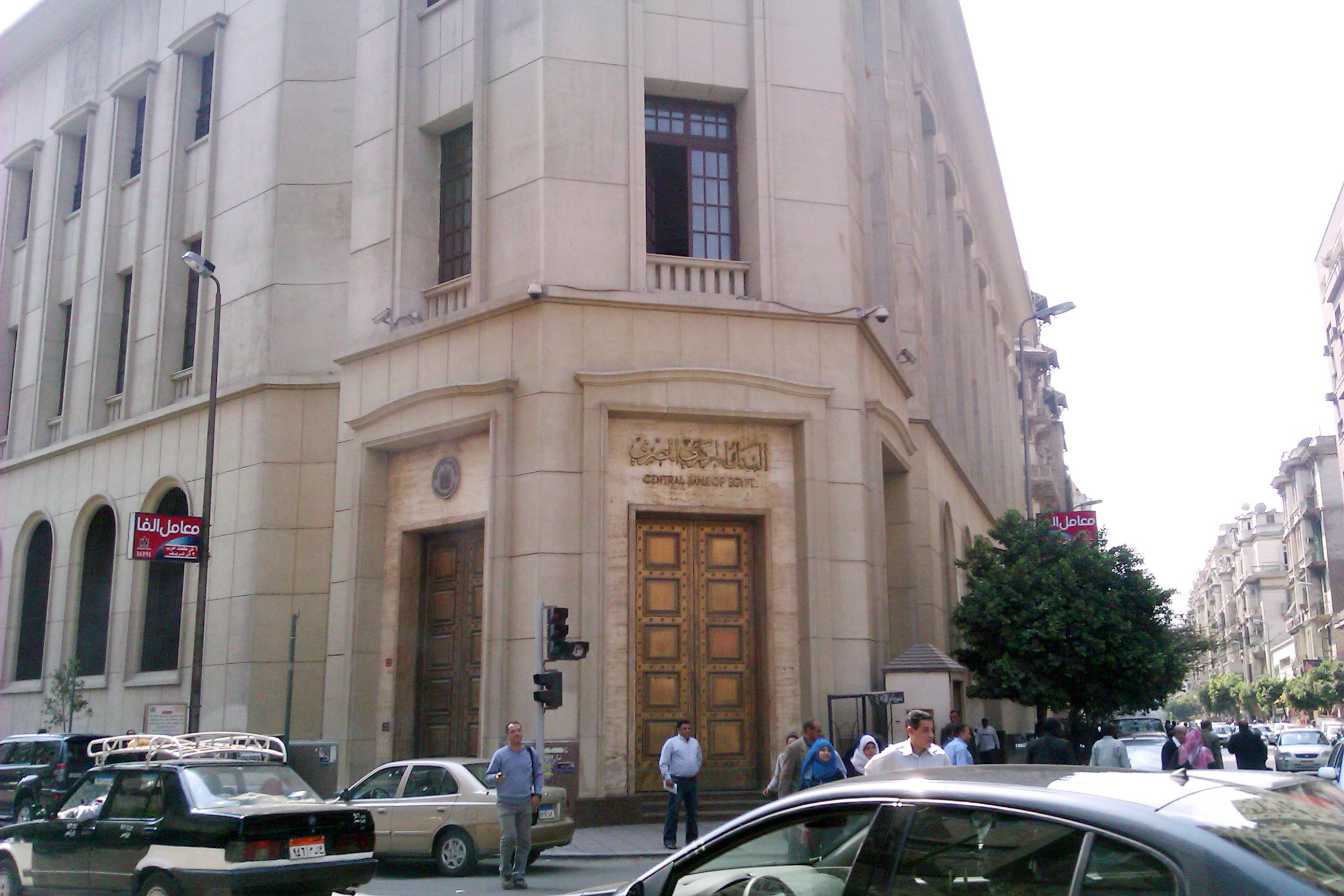
The Central Bank of Egypt (CBE) has issued new guidance clarifying the responsibilities of banks’ anti-fraud departments, supplementing the instructions issued on 2 April 2026 regarding the establishment of specialised departments for fraud management and prevention within the banking sector.
The CBE explained that the role of anti-fraud departments is to develop the policies, mechanisms, and procedures necessary to prevent fraud and monitor banking operations from a fraud prevention perspective, while emphasising the importance of continuous coordination with the various relevant departments within the bank, particularly the Compliance Department, without encroaching on the responsibilities of any of those departments.
The central bank noted that the technical examination of fraud cases focuses on identifying the nature of the incident, the method by which it was committed, any associated deficiencies or vulnerabilities, and whether the case is linked to internal or external fraud risks. However, this role does not extend to the supervisory or legal responsibilities assigned to other departments or to the Anti-Money Laundering and Counter-Terrorist Financing Unit.
It stressed that the anti-fraud department does not replace the competent departments in carrying out their original responsibilities, including handling suspected money laundering cases, predicate offences associated with money laundering, or terrorist financing offences. The CBE emphasised the need for a clear framework defining responsibilities, separating powers, and ensuring effective coordination between the relevant functions within each bank.
The Central Bank also stressed that the Anti-Money Laundering and Counter-Terrorist Financing Unit is the legally designated authority responsible for receiving and analysing reports relating to transactions suspected of being connected to money laundering, terrorist financing, or the proceeds of predicate offences, including fraud and deception offences.
In the same context, the CBE explained that its Central Anti-Fraud Department receives information from anti-fraud departments across banks operating in Egypt to support its preventive role. This includes conducting studies and research, reviewing international best practices, and raising awareness of financial fraud risks and methods of mitigating them.
The CBE concluded its guidance by stressing that the position of anti-fraud officer may not be combined with any other role and called on banks to ensure full compliance with the new instructions.