

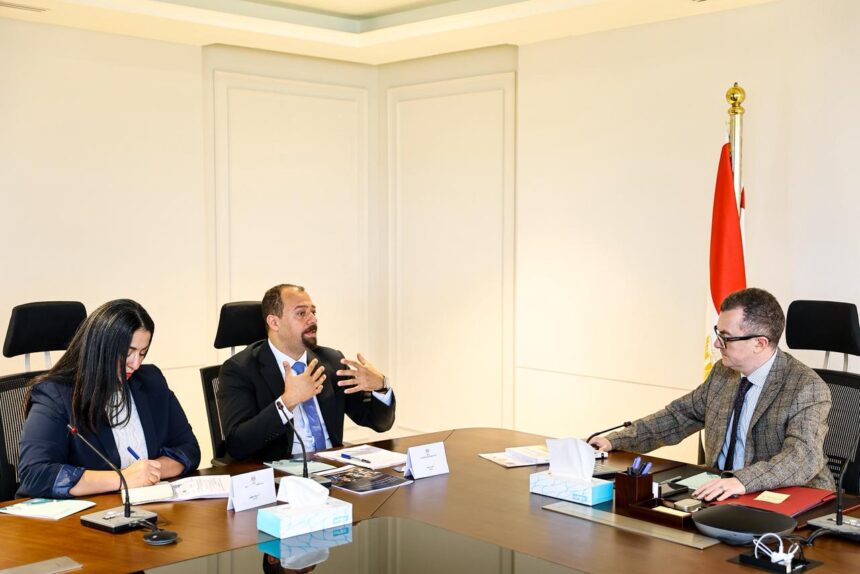
Egypt’s Minister of Planning and Economic Development Ahmed Rostom met with Amr Soliman, Head of the Egypt and Middle East and North Africa team within the Governance Programme at the Organisation for Economic Co-operation and Development (OECD), to discuss ways to reinforce bilateral cooperation.
The meeting was held within the framework of the Public and Economic Governance Support Programme in Egypt, implemented by the Egyptian government in cooperation with the OECD and funded by the European Union for 2022-2026.
During the meeting, Rostom reaffirmed the Egyptian government’s commitment to expanding cooperation with the OECD and benefiting from its international expertise in public policy development and improving government efficiency, in a way that supports economic reform and sustainable development.
He highlighted the importance of exchanging expertise and strengthening institutional capacities in planning and evidence-based policymaking, which would support the implementation of the objectives of Egypt Vision 2030.
Rostom explained that the Public and Economic Governance Support Programme aims to strengthen the capacities of government institutions to implement and monitor the national sustainable development agenda, in addition to supporting the state’s efforts to implement the administrative reform plan overseen by the Central Agency for Organisation and Administration (CAOA).
He added that the programme focuses on developing the policy framework for implementing and monitoring Egypt Vision 2030 and the administrative reform plan. This includes establishing platforms for public policy dialogue, conducting peer reviews and strengthening the institutional and human capacities of both the Ministry of Planning and CAOA.
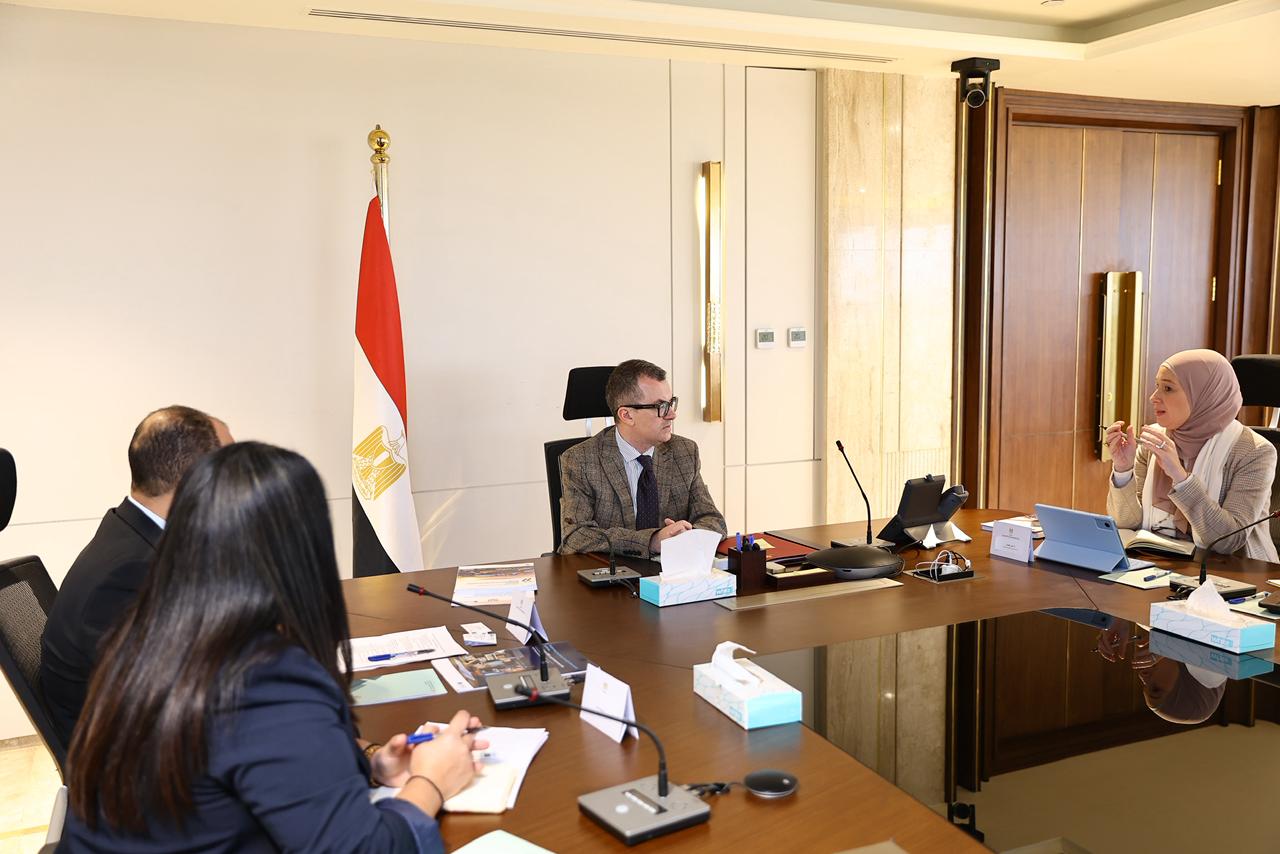
The minister also emphasised the importance of cooperation in supporting the transition towards preparing Egypt’s national medium-term sustainable development plan, as well as strengthening monitoring and evaluation frameworks to measure progress in implementing development policies and programmes.
Rostom noted that cooperation under the OECD country programme has helped expand knowledge exchange, provide technical support to several ministries and government entities, and contribute to developing public policies and improving institutional performance.
He stressed the Ministry of Planning and Economic Development’s commitment to continuing cooperation with the OECD, with a focus on future areas of collaboration aligned with national priorities.
Rostom also highlighted the importance of continued cooperation in light of Egypt’s co-chairmanship, alongside Italy and Türkiye, of the OECD’s Middle East and North Africa Initiative on Governance and Competitiveness for Development for 2026-2030.
For his part, Soliman expressed the OECD’s appreciation for its ongoing partnership with the Egyptian government, praising the country’s efforts to develop its public governance system and improve the efficiency of government administration.
He said the EU-funded Public and Economic Governance Support Programme represents a successful model of cooperation, contributing to the development of public policies, strengthening monitoring and evaluation mechanisms and building institutional capacity within government entities.
Soliman added that the OECD remains committed to continuing to provide technical support and exchange expertise with the Egyptian government in the coming period in support of the objectives of Egypt Vision 2030.


