

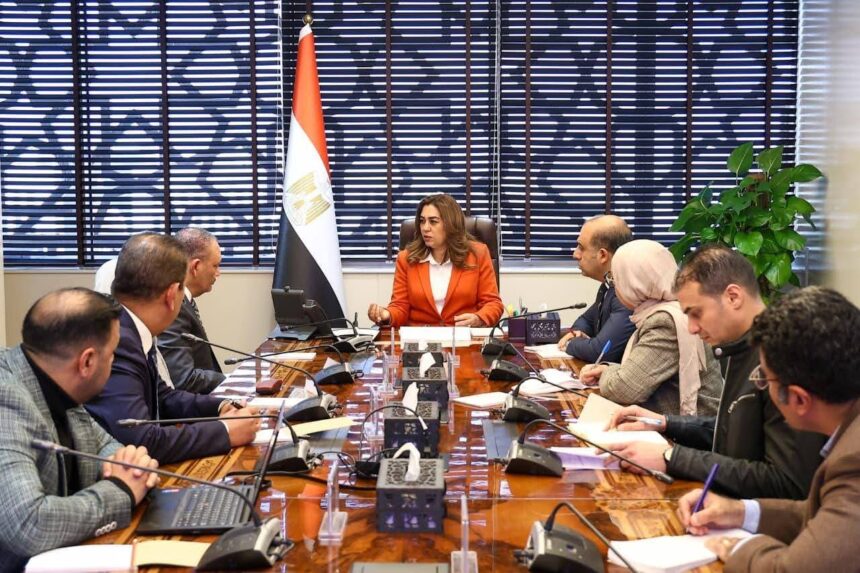
Manal Awad, Egypt’s Minister of Local Development and Environment, held an expanded meeting with representatives of Qatar-based Al Mana Holding to explore cooperation on an integrated project to recycle used cooking oil into biodiesel. The initiative forms part of the government’s efforts to strengthen safe waste-management systems and maximise resource utilisation. The meeting was attended by Yasser Abdallah, Head of the Waste Management Regulatory Authority.
At the outset, Awad reviewed the ministry’s ongoing efforts to regulate the safe disposal of used cooking oil and waste more broadly, in line with the state’s transition towards a circular economy. She emphasised that deeper private-sector engagement is essential to the success of these efforts through attracting investment, localising advanced technologies and improving collection systems. Such measures, she noted, would help curb informal practices, protect the environment and unlock the economic value of waste as a reusable resource. She added that seven companies are currently licensed by the Authority to collect used cooking oil.
Company representatives presented plans to establish a used cooking oil treatment plant with a production capacity of 100 tonnes per day and total investments estimated at $15.6m. The facility would convert used cooking oil–one of the main waste streams generated by restaurants, hotels and households–into biodiesel. The project aims to reduce pollution caused by improper disposal, including water contamination and blockages in sewage networks.
The proposal includes the creation of a structured system for collecting and transporting used cooking oil. Egypt’s annual consumption of cooking oils is estimated at around 2.8 million tonnes, generating approximately 2.6 million tonnes of used oil. Currently, 26 companies are engaged in collection activities. Demand for biodiesel is rising, particularly alongside the expansion of sustainable aviation fuel (SAF) production facilities. The company indicated that the plant would rely on advanced transesterification technologies while adhering to established quality standards.
Awad also reviewed a summary of the project’s Environmental and Social Impact Assessment (ESIA). The assessment highlighted multiple benefits, including reducing waste volumes through recycling, lowering greenhouse gas emissions due to biodiesel’s smaller carbon footprint compared with conventional fossil fuels, and providing a more sustainable energy source.
Al Manea outlined its previous investments and activities in Egypt and expressed its intention to expand further in the local market through the new project. The company also signalled its interest in securing a site within the integrated waste city in 10th of Ramadan City to establish a comprehensive system for collecting used oils from factories, food production facilities, shops and restaurants, particularly fast-food outlets.
Welcoming the proposal, Awad underscored its environmental and economic potential. She stressed the importance of developing a clear and organised mechanism for collecting used cooking oil from households, with a focus on incentivising women through financial and in-kind rewards. Such measures, she said, would help prevent the indiscriminate disposal of oil into sewage networks and safeguard public health and the environment.
The company also proposed launching a digital application to streamline the collection process by identifying nearby drop-off points and introducing a rewards-based incentives system to encourage community participation. Plans would also include secure storage facilities to ensure safe handling prior to recycling and biodiesel production.
Awad directed the preparation of a comprehensive proposal outlining the master plan for the proposed site within the 10th of Ramadan complex, proposed cooperation mechanisms and a detailed implementation timeline. She also called for the establishment of a clear incentives framework aimed at encouraging women to collect used cooking oil, as part of efforts to build a safe, organised and sustainable national system for recycling used cooking oil.


