For Egypt’s investment class, the start of 2026 marks a decisive pivot in the battle for capital preservation. As high-yield savings certificates reach their maturity dates and the global gold market enters a period of volatile profit-taking, billions in Egyptian pounds (EGP) are being unbundled from banks and bullion, searching for a more stable sanctuary. The destination of choice is increasingly clear: the Egyptian property market.
The Great Liquidity Shift
The convergence of maturing bank debt and a “light correction” in precious metals has created a unique liquidity event in the Egyptian economy. While gold has provided historic returns over the past two years, local investors are now prioritising assets with lower daily volatility and tangible utility. This shift is underpinned by a demographic reality—a million new marriages annually—and a construction cost floor that industry leaders argue makes a price drop fundamentally impossible.
Cost-Push Reality: Why Prices Defy Gravity
The narrative that Egyptian property prices might cool is being met with firm resistance from the sector’s largest players. Hisham Talaat Moustafa, CEO and Managing Director of Talaat Moustafa Group (TMG), addressed these concerns directly, dismissing talk of a price retreat as “incorrect.”
“Property pricing is fundamentally tied to cost—the price of land and building materials,” Moustafa explained during an appearance on MBC Masr.
With the prices of iron, cement, and oil-linked inputs continuing to climb, Moustafa argues that current market margins are already limited. His group’s performance serves as a bellwether for the industry:
- EGP 13bnin sales achieved in January alone.
- New projects in Sharm El-Sheikh sold out within 24 hours.
- Demand consistently outstrips supply across both luxury and primary residential segments.
Demographics vs. Speculation
A core driver for the market’s resilience is Egypt’s unique demographic profile. Unlike European markets facing population decline, 65% of Egyptians are under the age of 30. This creates a structural demand for approximately 1m new units every year for the next three decades.
“The demand is real, not speculative,” Moustafa noted, highlighting that over the last 50 years, real estate in Egypt has outperformed the US dollar. He advises that for those with liquid capital, purchasing units in “cash” remains the most effective way to hedge against future inflationary cycles and rising construction costs.
Gold Correction and the Search for Stability
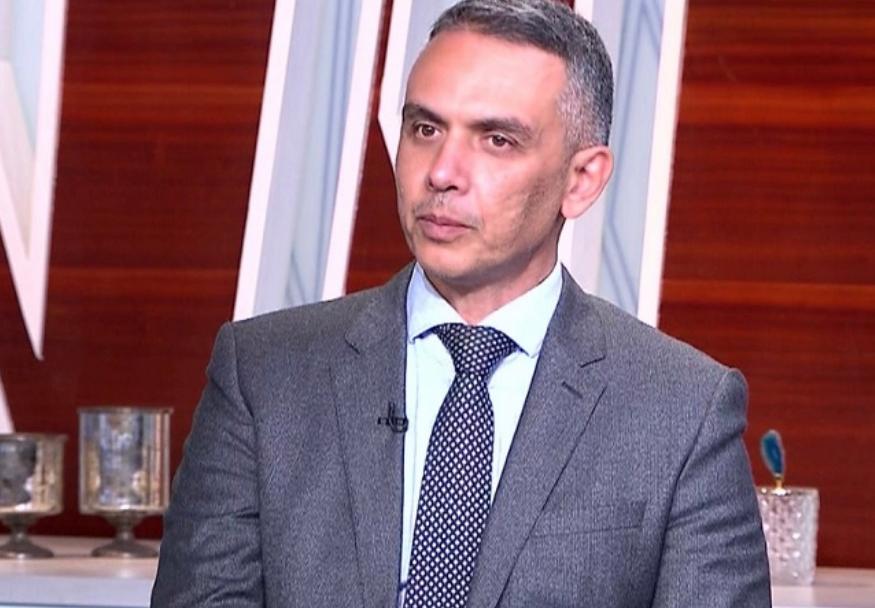
Economist Hany Genena views the current market movement as a “rebalancing.” While gold and silver have seen intense speculation and recent “light corrections,” the fundamental appetite from central banks and the jewellery industry remains stable. However, the psychological shift is already underway.
“These fluctuations may drive some investors to exit gold and move toward real estate, which offers more stability,” Genena stated. He added that the influx of liquidity from maturing bank certificates would likely create a “state of balance” in the property market, preventing a vacuum as other asset classes cool.
The Global Backdrop
The outlook for Egypt is also being shaped by broader geopolitical and economic shifts:
- US Economy:Expected strength over the next two years is likely to support emerging markets, despite a weaker dollar.
- Trade Corridors:European efforts to enhance trade with North Africa and India present Egypt with new economic opportunities.
- Asset Performance:While agricultural commodities remain stable, industrial metals like copper and aluminium continue to see price strength, further insulating the “cost-push” inflation in the housing sector.
A Forward-Looking Outlook
As the market moves deeper into 2026, the transition from “paper wealth” in certificates and “liquid wealth” in gold back into “hard wealth” in property appears to be the defining trend of the year. For the Egyptian investor, the home remains the ultimate hedge—a sentiment echoed by Moustafa’s observation that any new units brought to market will inevitably carry a higher price tag than those available today.