

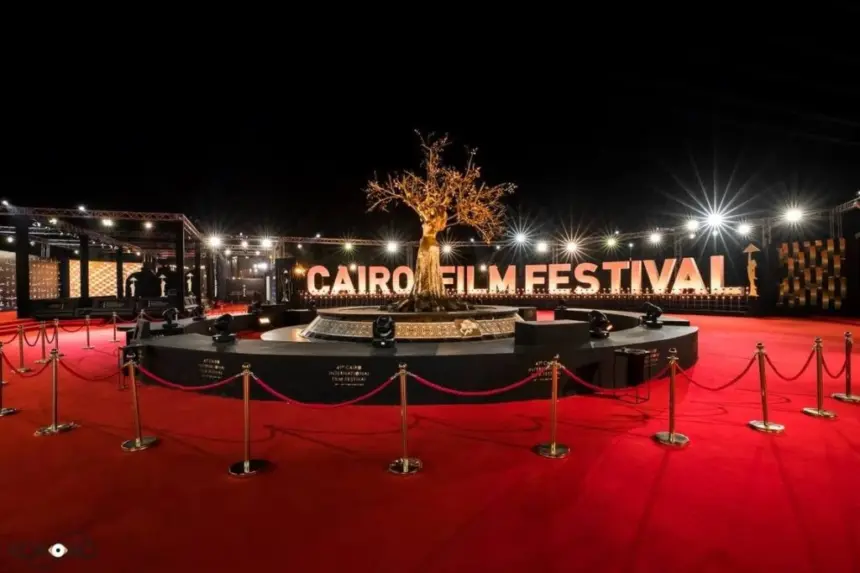
The Cairo International Film Festival (CIFF) has unveiled details of its 47th edition, which will run from November 11 to 20 and feature 145 films from 64 countries. The festival will also mark 50 years since its inaugural edition, combining a celebration of its history with new programmes aimed at supporting talent and exploring the changing landscape of the film industry.
- Tributes to Cinema Stars and Filmmakers
- Festival Poster and Artificial Intelligence: Debate Beyond Design
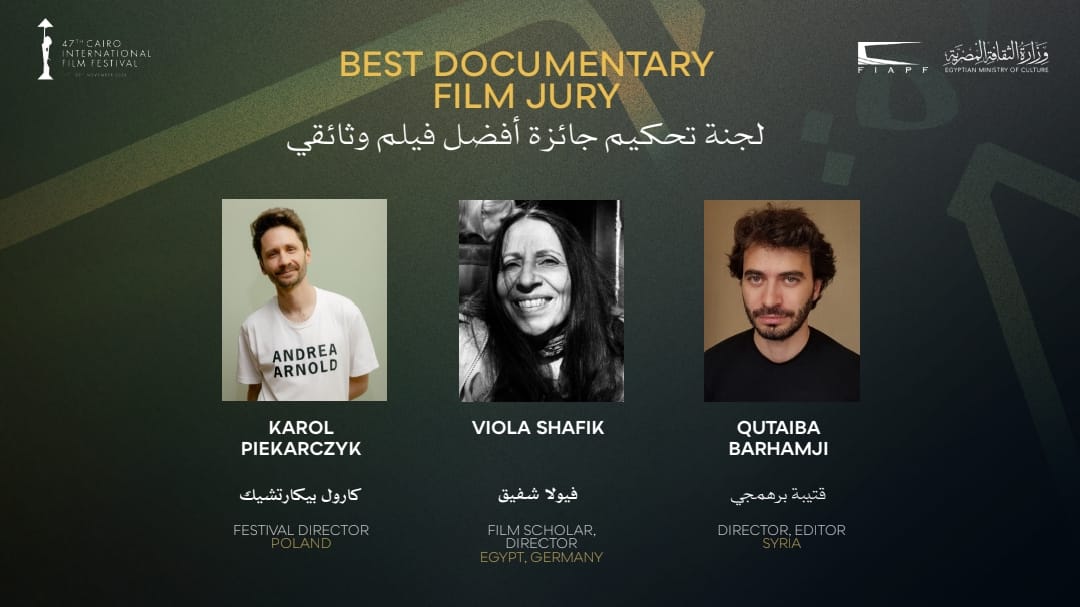
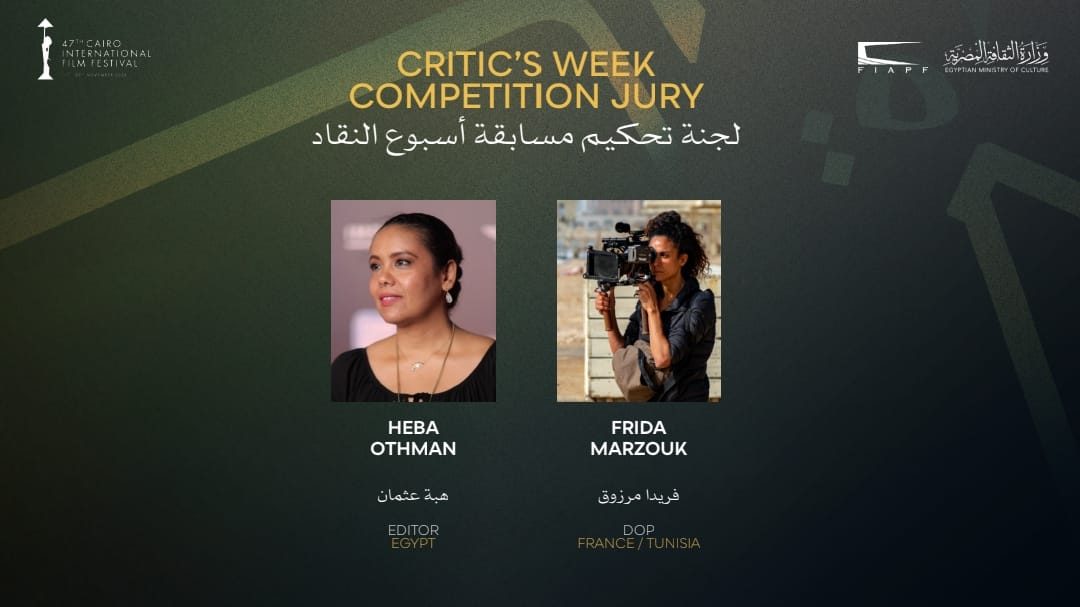
- International Competitions and Diverse Juries
- Cairo Industry Days: From Literature to the Screen
- Cairo and El Gouna Festivals: Mutual Incentive to Develop Programmes
- Film Restoration: Protecting Cinema’s Memory
- A Bet on History and the Future
The announcement comes as the festival faces wider debates over the design of its official poster and its position on films made using artificial intelligence, highlighting the challenges facing major film festivals as technology reshapes creative production.
The new edition comes at a time when the film industry is undergoing rapid changes in production, distribution and technology. These developments are posing challenges for major festivals, which must preserve their artistic and historical identity while keeping pace with modern advances, supporting creativity, discovering new talent and promoting dialogue among diverse cinematic cultures.
The programme features a broad selection of narrative, documentary and short films, alongside immersive cinematic experiences using advanced technologies. According to figures released by the festival, the selection includes 109 feature-length films and 29 short films, with 17 documentaries among the chosen works. It also includes the Cairo XR programme, dedicated to extended-reality experiences and interactive media.
This diversity is one of the central features of the new edition, giving audiences the opportunity to explore a wide range of cinematic experiences and strengthening the presence of films offering distinct artistic and cultural perspectives. It also highlights new forms of visual expression and audience engagement with cinematic content.
Hussein Fahmy, president of the festival, said the administration was seeking to present an edition capable of standing alongside major international film festivals, building on the Cairo International Film Festival’s status as an A-list event. He expressed his ambition for the festival to reach a standing comparable to that of the Cannes Film Festival.
Fahmy said he hoped various sectors would contribute to supporting the festival as an artistic and cultural event that brings joy to audiences, but noted that such support had yet to reach the level he envisioned. He also said the ongoing war was affecting everyone and that the region was “sitting on a powder keg”, while emphasising the strong demand for attending the festival and its events.
The festival president’s remarks reflect an ambition to strengthen Egypt’s position on the international film map, amid the need to secure the support required to develop its programmes and expand its influence in line with its long history and experience in hosting films and filmmakers from around the world.
Tributes to Cinema Stars and Filmmakers
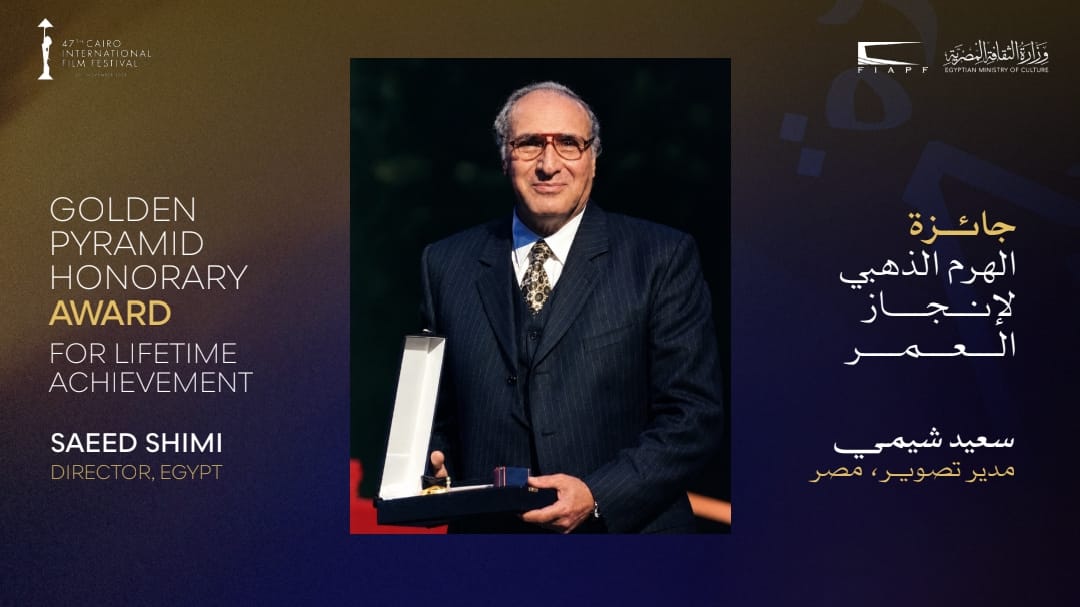
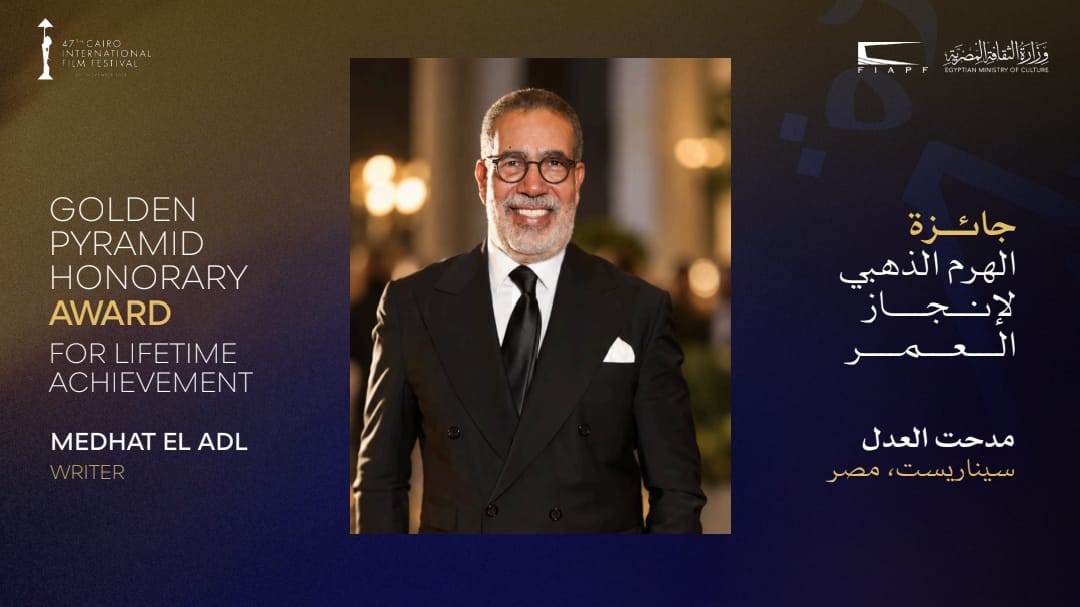
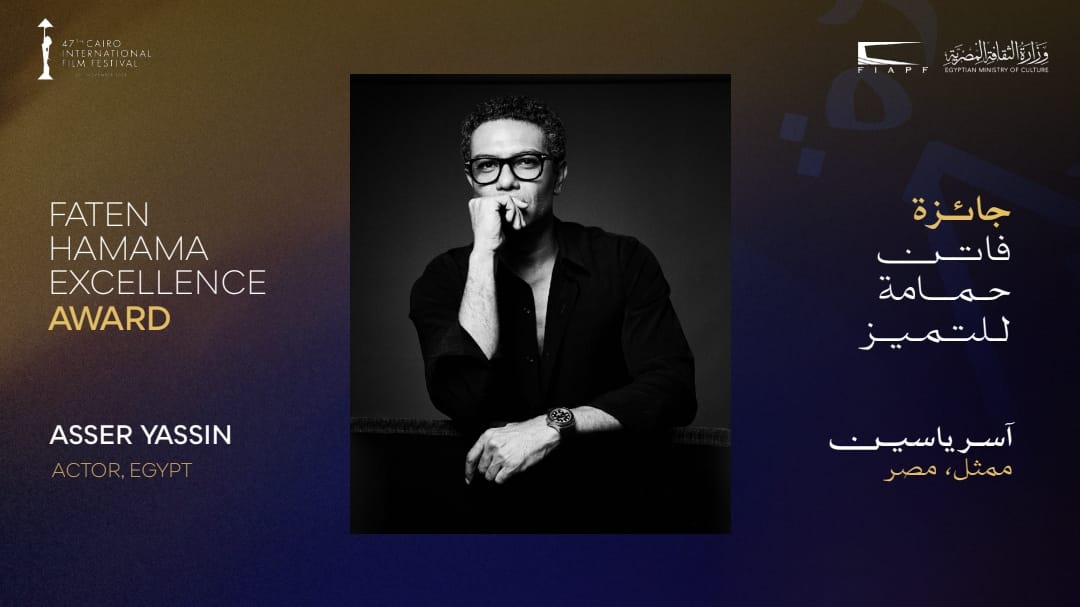
The 47th edition will honour the careers of a number of artists and filmmakers. Actor Asser Yassin will receive the Faten Hamama Award of Excellence, while screenwriter Medhat El-Adl and cinematographer Said Shimi will receive the Golden Pyramid Award for Lifetime Achievement. A special tribute will also be presented to film distributor Antoine Zind.
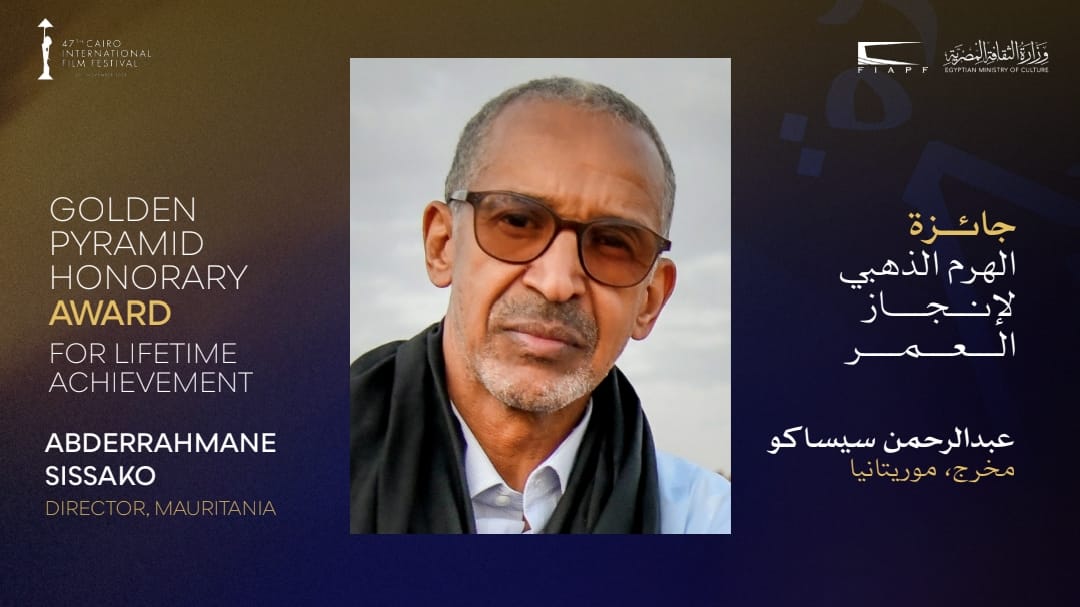
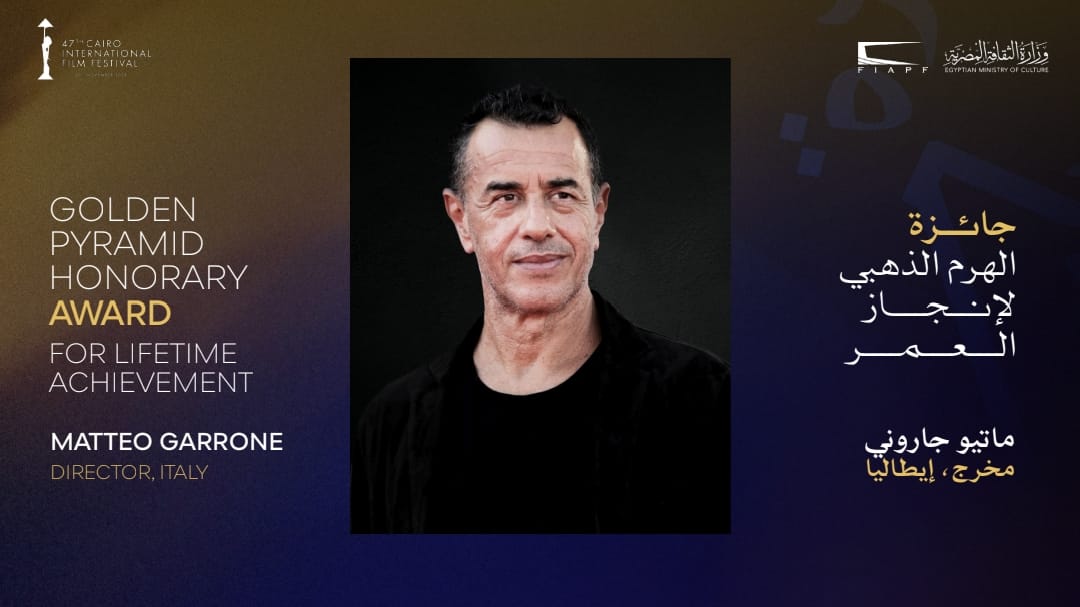
Mohamed Tarek, the festival’s artistic director, also announced tributes to Mauritanian director Abderrahmane Sissako and Italian director Matteo Garrone, recognising their cinematic work and contributions to the art of filmmaking.
The honours continue the festival’s tradition of celebrating artists whose work has left a mark on cinema, whether in acting, writing, cinematography, distribution or directing. They also underscore the importance of the various roles that come together in the making of a film.
Tarek said the festival team had reviewed 5,600 films before finalising the selection, including 2,100 narrative and documentary films and 3,500 shorts. He said the selection process sought to ensure diversity and cater to different tastes, given the broad and varied audience of the Cairo International Film Festival.
He added that around 850 young Egyptians, along with participants from other Arab countries, would take part in the Cairo Industry Days programmes “Cairo Cares” and “New Faces”.
The initiative reflects the festival’s commitment to giving younger generations opportunities to explore diverse cinematic experiences and engage with filmmakers and industry professionals. Such interaction can help build new professional expertise and create opportunities to discover talent capable of contributing to the future of Arab cinema.
Film festivals are not limited to screening films and presenting awards. They also create spaces for communication, learning and the exchange of expertise — roles that have become particularly important amid changes in content production and the growing need to develop cinematic tools and professional skills.
Festival Poster and Artificial Intelligence: Debate Beyond Design
The official poster for the new edition has sparked widespread discussion, particularly over criticism of its design and allegations that artificial intelligence was used in its production. The debate has consequently expanded from an assessment of the visual work to broader questions about the limits of technology in creative fields.
Responding to the criticism, Fahmy said the use of artificial intelligence in design was a natural development, but reaffirmed his opposition to allowing films made with such technologies to compete for festival awards.
Tarek said the controversy surrounding festival posters was not new, noting that posters from previous editions had also prompted debate and criticism. He questioned whether those who categorically claimed that artificial intelligence had been used in the design had attended the production process alongside the designer. He added that image-enhancement tools had been used long before artificial intelligence emerged in its current form.
Tarek stressed that the festival offered numerous events and programmes deserving of attention, urging audiences to consider the new edition as a whole rather than reduce it to the controversy surrounding the poster.
Regarding the festival’s position on AI-generated films, Tarek said there was a distinction between rejecting such films and not selecting them for the programme. He explained that the administration had decided to reject the works because there was no clear mechanism for dealing with the technology, while anyone could potentially commission a film simply by writing prompts for AI tools to execute. The festival therefore decided not to include such works in its events.
Film critic Tarek El-Shenawy, meanwhile, described the poster choice as successful. He said that when he first saw it, he felt the central figure was actress Shadia, although he believed the images of the stars in the background needed greater clarity.
El-Shenawy added that critics had the right to object to the poster, while the festival deserved credit for highlighting major stars and icons of cinema. He said the festival had made a genuine contribution to film restoration and maintained that the poster remained a successful choice despite the criticism.
The controversy highlights the expanding debate over the relationship between technology and creativity, as artificial intelligence becomes capable of performing a growing range of tasks in design, image processing and content production. At the same time, questions are emerging over intellectual property, the role of human creators and the limits of using such tools in artistic work.
The debate therefore extends beyond the poster or the decision to exclude certain films. It also raises questions about the future of the artistic standards festivals use to assess films and how to distinguish between technology as an assisting tool and reliance on it to produce the creative work itself.
International Competitions and Diverse Juries
The international feature-film competition includes 12 films and will be chaired by French-Moroccan director Nabil Ayouch. The jury includes Egyptian actress Ghada Adel, Chinese actress Fan Bingbing, Syrian-German director Amr Fakhreddine, Belgian director Laura Wandel and British sound designer Paul Davies.
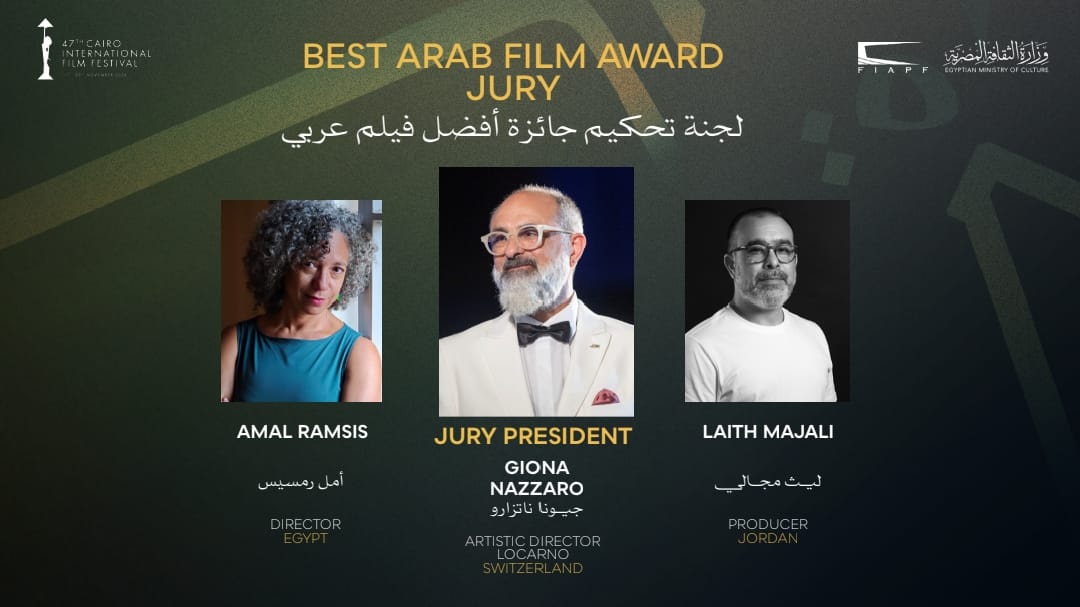
The jury for the Best Arab Film Award will be chaired by Swiss curator and Locarno Film Festival director Giona A. Nazzaro. Its members include Egyptian director Amal Ramsis and Jordanian producer Laith Majali.
The short-film competition, featuring 24 films, will be judged by Iraqi director Hassan Hadi, Dutch director and screenwriter Stefanie Kolk and Egyptian actor Ali Qassem.

The composition of the juries reflects the breadth of cinematic expertise involved in evaluating the films, bringing together directors, actors and specialists in various technical fields, as well as figures representing different cinematic and cultural traditions.
The international presence in the juries and competitions also gives the festival an opportunity to strengthen dialogue among cinematic experiences and present films rooted in diverse cultural contexts. This enriches the viewing experience and allows audiences to discover different artistic trends and narrative approaches.
The diversity is consistent with the Cairo International Film Festival’s role as a platform bringing together filmmakers from Egypt, the Arab region and around the world, while giving participating films access to wider audiences and exposure to a range of artistic experiences.
Cairo Industry Days: From Literature to the Screen
The Cairo Industry Days programme is expanding in the new edition with the addition of two programmes focused on adapting literary works for the screen and developing projects and filmmakers. The move aims to strengthen the festival’s professional and development components alongside its film-screening programme.
Mohamed Sayed Abdel Rahim, director of Cairo Industry Days, said the Cairo festival was eagerly awaited by film lovers across Egypt. Some audiences, he noted, save money to travel to Cairo and stay throughout the festival to watch films that are not usually available in cinemas or on digital platforms.
He said the films were carefully selected with an emphasis on diversity and difference to meet audience interests. The industry programme, which he has overseen since last year, had achieved considerable success and would be expanded this year through the addition of two new initiatives.
Abdel Rahim said the first programme, titled “From Book to Screen”, seeks to renew interest in the relationship between literature and cinema and restore the presence of major literary figures on screen, including Naguib Mahfouz and Ihsan Abdel Quddous.
He described the initiative as the first of its kind in the region, saying it responded to the need to strengthen ties between literature and cinema and create opportunities to rediscover literary works and turn them into film projects capable of reaching new generations.
The initiative is particularly significant given the historic relationship between literature and cinema and the rich source of material that novels and short stories have provided for Egyptian and Arab films. Reviving this tradition could also create opportunities to develop projects inspired by literary heritage and present it through contemporary artistic perspectives while preserving the creative value of the original texts.
The second programme focuses on project and filmmaker development within Cairo Industry Days, with the participation of experts selected from among leading professionals in the global film industry.
The initiative aims to support filmmakers and develop their ideas by drawing on a range of professional expertise, helping projects move from the conceptual stage to more advanced phases of development and production.
The addition of the two programmes confirms Cairo Industry Days’ intention to broaden its role beyond professional meetings and extend it to creative development, connecting emerging talent with the expertise needed to build more competitive projects.
Cairo and El Gouna Festivals: Mutual Incentive to Develop Programmes
Regarding the relationship between the Cairo and El Gouna film festivals, Abdel Rahim said he did not view it as competition but rather as a form of mutual motivation. Following new and significant ideas introduced by any festival, he said, encouraged others to present stronger programmes.
He explained that the exchange of positive influence and the monitoring of different experiences could help develop film programmes in ways that serve audiences and Egypt’s film industry, rather than treating the diversity of events as direct competition between festivals.
Asked about El Gouna’s decision to screen television series in its upcoming edition, Abdel Rahim said Cairo would organise two workshops this year to develop short series, following a specialised programme in the field during the previous edition.
The workshops will focus on developing thriller, suspense and horror series, responding to growing audience interest in these genres in recent years.
The approach reflects an awareness of changes in the drama-content market and the growing importance of short series as a format attracting audiences. It also encourages professional development programmes to keep pace with these shifts and provide opportunities to strengthen the skills of writers and drama creators.
Through these workshops, the Cairo festival is continuing to broaden its focus to include various forms of audiovisual production while maintaining its core emphasis on cinema and strengthening ties between the festival and the wider content industry.

Film Restoration: Protecting Cinema’s Memory
In discussions about the festival’s role in preserving cinematic heritage, El-Shenawy’s reference to Cairo’s contribution to film restoration highlights an important aspect of its cultural and artistic mission.
Film restoration is not limited to improving image and sound quality. It is also a means of preserving cinema’s memory and making older works accessible to new generations, ensuring an ongoing connection between the history of the seventh art and its contemporary transformations.
This role takes on added importance as the festival marks 50 years since its launch. The anniversary provides an opportunity to emphasise the value of cinematic archives, protect the works that shaped Egyptian and Arab cinema, and ensure their continued presence in the cultural consciousness.
This focus is particularly relevant in an edition that combines a look back at history with an openness to new technologies, linking the preservation of cinematic heritage with the exploration of the industry’s future.
A Bet on History and the Future
The 47th edition of the Cairo International Film Festival comes at a time of accelerating global changes in the film industry. It combines celebrations of the festival’s 50-year history with an openness to cinematic experiences from around the world, tributes to stars and filmmakers, support for emerging talent and efforts to develop the tools of film and drama production.
Between the ambition to secure a stronger position on the international festival map and challenges related to funding, technology and changing production models, the new edition will test the festival’s ability to preserve its historical identity while keeping pace with the future.

Audiences remain central to this equation, whether through access to films that are difficult to find through conventional distribution channels, exposure to diverse cinematic experiences or opportunities for younger generations to learn about and contribute to the film industry.
As it celebrates half a century of creativity while seeking new horizons, the Cairo International Film Festival is betting on its continued role as a platform that brings together art, culture and industry, preserves cinema’s memory and opens its doors to new experiences at a time when global changes demand a vision capable of balancing heritage and innovation.