

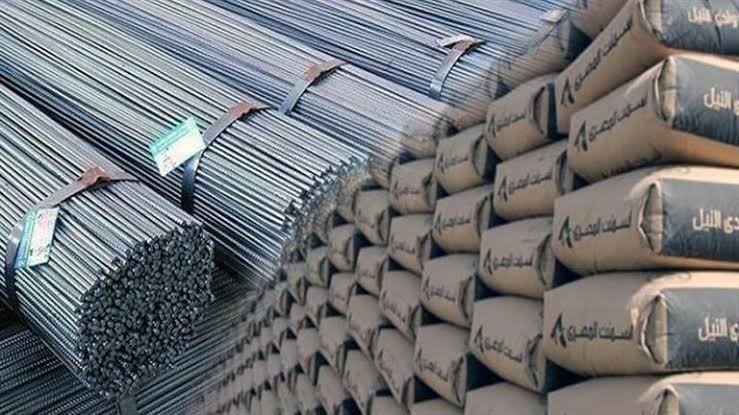
Egypt’s Export Development Fund (EDF) has concluded a series of consultations with the country’s 12 export councils after meeting with the Export Council for Building Materials, Refractory & Metallurgy Industries (ECBM) to discuss strategies for boosting exports and strengthening the sector’s global competitiveness.
The meeting, chaired by Hatem El Nawawy, CEO of the Export Development Fund and the General Organization for Export and Import Control (GOEIC), and Ahmed Hafez, Chairperson of the ECBM, focused on expanding Egypt’s export base, enhancing manufacturers’ competitiveness, and identifying priorities for the next phase of the country’s export development strategy.
The consultations come as the Ministry of Investment and Foreign Trade seeks to accelerate export growth in line with directives from Minister Mohamed Farid to diversify export markets and strengthen the global presence of Egyptian products.
El Nawawy said the ministry has adopted an integrated export development strategy centred on diversifying export destinations, opening new international markets, maximising the benefits of Egypt’s trade agreements, and increasing the value-added content of Egyptian products.
He described the building materials, refractories, and metallurgical industries sector as one of Egypt’s strategic export pillars, citing its strong industrial base, abundant raw materials, and growing international demand.
“The next phase requires deeper local manufacturing, greater value-added production, and enhanced competitiveness of Egyptian products to support expansion into regional and international markets, particularly promising markets in Africa and Europe,” El Nawawy said.
During the meeting, officials reviewed the sector’s latest export performance, which showed exports rising to $14.875bn in 2025 from $10.872bn in 2024, marking a 36% year-on-year increase.
The sector accounted for approximately 30% of Egypt’s non-oil exports in 2025, underscoring its importance to the country’s export portfolio.
Export momentum has continued into 2026, with shipments reaching $4.803bn during the first five months of the year, according to data presented during the meeting.
Participants also discussed several priority issues, including expanding local manufacturing, maximising the use of Egypt’s natural resources, increasing companies’ utilisation of the government’s export rebate programme, and enhancing support for participation in international trade exhibitions to sustain export growth.
Ahmed Hafez reaffirmed the Export Council’s commitment to working closely with the Ministry of Investment and Foreign Trade and the Export Development Fund to support exporters and expand their presence in overseas markets.
He stressed the importance of utilising idle production capacity and surplus output at Egyptian factories by directing more production towards export markets.
The meeting marked the conclusion of El Nawawy’s consultation tour with Egypt’s 12 export councils, covering the engineering industries, agricultural crops, home textiles, textiles, food industries, ready-made garments, medical industries, chemicals and fertilisers, printing and packaging, leather, furniture, and building materials sectors.
The consultations are expected to help shape the government’s export priorities and policy agenda as Egypt seeks to accelerate non-oil export growth and strengthen the competitiveness of domestic industries in international markets.


