Ceramics and sanitary ware factories in Egypt have agreed to formulate action plans to reduce natural gas consumption by up to 25 per cent and electricity use by 15 per cent, the Ministry of Industry announced.
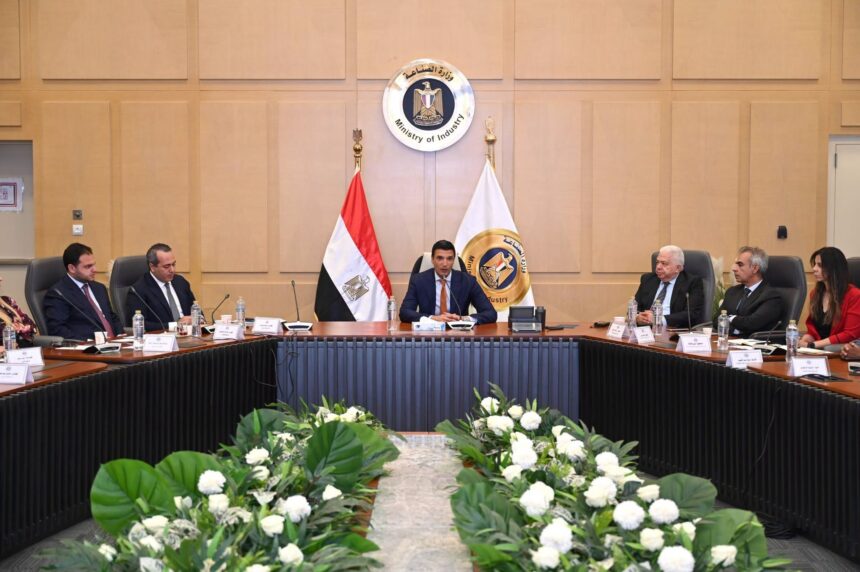
The targets were agreed upon during a workshop hosted by the ministry for 25 companies in the sector to introduce the “Industry Sun” initiative. The reductions will be achieved by cooperating with production line and furnace manufacturers, alongside energy efficiency service companies, to implement short, medium, and long-term strategies, including the installation of rooftop solar power stations.
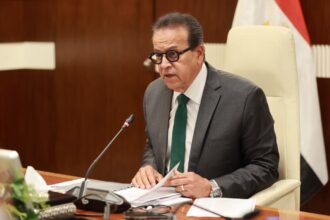
Minister of Industry Khaled Hashem stated that the “Industry Sun” initiative aims to install 1,000 megawatts (MW) of solar energy systems on the roofs of Egyptian factories and industrial facilities during its first phase.
Hashem noted that the ministry places the improvement of energy efficiency and the reduction of carbon emissions among the priorities of the Egyptian Industry Strategy 2030. The strategy aims to enhance the competitiveness of Egyptian products, lower operating costs, and prepare the industrial sector for global market requirements and environmental sustainability standards.
“The ‘Industry Sun’ initiative represents a practical model for integration between industrial development and the green transition, and the beginning of a shift in the energy mix for the industrial sector,” Hashem said. He added that the ministry attaches great importance to the ceramics industry, focusing on enhancing energy efficiency to lower carbon emissions and costs, thereby boosting its competitiveness in local and export markets.
To support the transition, the ministry is working to provide an integrated system of technical and financial support. Factories will be able to utilise financing initiatives offered by the Environmental Compliance Office at the Federation of Egyptian Industries, as well as United Nations Industrial Development Organization (UNIDO) initiatives with Egyptian banks, coordinated through the Ministry of Industry.
The workshop featured panel discussions on the opportunities for transitioning to a green economy in the ceramics and sanitary ware sector, challenges related to decarbonisation and the electrification of industrial processes, smart manufacturing solutions, and enhancing water use efficiency.
The event was attended by Hussein El-Ghazzawi, Advisor to the Minister for Energy Affairs; Hossam El-Sallab, Head of the Ceramics Division at the Chamber of Building Materials; Ahmed Kamal, Director of the Environmental Compliance and Sustainable Development Office at the Federation of Egyptian Industries; and representatives from Italian machinery and production line manufacturer Sacmi, and Schneider Electric.
Additional participants included officials from the Ministry of Water Resources and Irrigation, the New and Renewable Energy Authority, the Industrial Modernisation Centre, and the Cleaner Production Technology Centre.